House painting in Hampstead
Start with a list of the surfaces you want decorated. The inside face of a sash window, its external sill and the wall below it can each need a different repair or finish. Mark peeling paint, open joints and water stains on photographs so each decorator prices the same work.
On a terrace, compare exposed front woodwork with sheltered rear joinery. In a flat, check which windows, front doors and shared stairwells the freeholder or managing agent maintains. If you are considering a new finish on a front elevation, identify whether the brick or stucco has already been painted. Camden publishes a statement and streetscape audit for the Hampstead Conservation Area. Read Camden’s Hampstead conservation area appraisal.
House painting: scope and options
Separate interior rooms, exposed elevations and historic features in your brief. Each requires different access, preparation and drying time.
Interior House Painting
Interior house painting is one of the most effective ways to transform a Hampstead property without major structural work. It can brighten period rooms, improve cohesion between old and new parts of the house, and refresh walls, ceilings, woodwork, staircases, fitted joinery, and decorative details. For family homes, high-performance paints can improve durability in hallways, kitchens, bathrooms, and children's bedrooms. In period interiors, note any cornices, panelling, dado rails or original shutters that need careful preparation or protection. Interior painting is also comparatively flexible to phase, making it suitable for occupied homes where works need to be planned room by room.
The quality of interior painting depends heavily on preparation, and many older Hampstead homes conceal defects beneath previous coatings. Cracked plaster, water staining, blown lining paper, nicotine residue, settlement movement, and uneven historic repairs can all increase labour time and cost. Dark colours, high ceilings, intricate mouldings, and extensive timber detailing demand more skill and often more coats. If painting is carried out before electrical, joinery, flooring, or plastering works are fully complete, damage and snagging can compromise the finish. Interior projects can also be disruptive in occupied houses because of dust, furniture protection, drying times, and restricted room access.
Exterior House Painting
Exterior house painting is vital for both appearance and protection, especially in Hampstead where many homes feature painted stucco, render, timber windows, masonry details, and decorative ironwork. A well-specified exterior system helps defend against rain penetration, UV exposure, pollution, and seasonal temperature movement. It can dramatically improve kerb appeal and preserve the character of period façades. Repainting external joinery and metalwork at the right intervals can also reduce future repair bills by preventing rot, corrosion, and coating failure.
External painting is more exposed to risk than internal work. Weather windows, scaffold access, neighbour considerations, and the condition of the substrate can all affect programme and cost. In conservation-sensitive parts of Hampstead, changing colours or altering the appearance of previously unpainted surfaces may require caution or planning advice. Failed render, damp walls, rotten sash components, rusting railings, and unstable previous coatings can turn a straightforward repaint into a repair-led project. An incompatible coating may trap moisture in older solid-wall buildings. Ask how the proposed finish will work with the existing surface.
Period Property and Heritage Painting
Many Hampstead homes benefit from a heritage-led painting approach tailored to Georgian, Victorian, Edwardian, Arts and Crafts, and early twentieth-century architecture. This type of project focuses on preserving original character while using modern materials where appropriate. Breathable paints, carefully researched colour palettes, fine brush finishes, and sensitive treatment of sash windows, cornices, panelling, and stucco can significantly enhance both authenticity and long-term durability.
Heritage painting is usually more labour-intensive and requires specialist knowledge. Incompatible fillers, modern vinyl paints, aggressive sanding, and poor moisture management can damage traditional building fabric. Historic joinery may need splice repairs before painting, and old plaster may require stabilisation rather than simple filling. Matching existing finishes or conservation-appropriate colours can also take longer. Costs are typically higher because the work is slower, more detailed, and less forgiving of shortcuts.
Whole-House Repainting as Part of Refurbishment
When painting is integrated into a wider refurbishment, the final result is often more coherent and cost-effective. Walls can be repaired after rewiring, ceilings can be refinished after lighting upgrades, joinery can be sprayed or hand-painted after bespoke carpentry, and colours can be coordinated with flooring, bathrooms, kitchens, and furniture schemes. List the rooms that will need finishing after rewiring or plumbing changes so the trades can sequence their work.
The main drawback is coordination. Painting should usually happen near the end of the project, but not so late that programme pressure leads to rushed preparation or insufficient drying time. On larger refurbishments, clients sometimes underestimate the scale of finishing work, especially when there are multiple rooms, stairwells, wardrobes, utility spaces, and extensive woodwork. If earlier trades leave defects, decorators may spend more time rectifying surfaces than expected. Budget control is also important because premium finishing packages can expand quickly once detailed joinery and specialist coatings are included.
Planning permission for exterior painting
Before painting bare brick or changing the colour of an elevation, photograph it and identify the address on Camden’s Article 4 maps. The council publishes one schedule for the Hampstead Conservation Area excluding Frognal Way and a separate direction for Frognal Way. Check the particular work and property in the relevant schedule before commissioning scaffold or buying paint. Find Camden’s Article 4 directions and maps.
In a listed house or flat, internal details can matter too. Before stripping paint from a panelled door or applying a new finish to historic woodwork, describe the proposed method to the council’s conservation officer. Listed building consent is required for alterations that affect a listed building’s special architectural or historic character. Read Historic England’s listed building consent guidance.
Building regulations and associated repairs
When a decorator finds a rotten sill or damaged frame, ask for a separate specification for the repair. If the proposal changes to replacing a window or an external door, check the building regulations requirements before ordering it. Check which alterations may need building regulations approval.
If paint is blistering below a window or beneath a gutter, establish where the water is entering and allow the repair to dry before decorating. Record who will carry out that work and when the decorator can return.
What changes the cost of painting?
The cost of house painting in Hampstead varies significantly depending on whether the work is internal, external, or both; the size of the property; the level of preparation required; the complexity of access; and the quality of materials and finish expected. A small internal repaint for a one-bedroom flat or a few rooms in good condition costs least, especially if the walls are already sound and the project involves standard emulsions and basic woodwork refreshing. At the other end of the scale is a full external and internal repaint of a large period house with extensive preparation, scaffold, sash window repairs, stucco restoration, decorative joinery, and premium heritage paint systems.
For many Hampstead family homes, a medium-scale project might include repainting multiple rooms, ceilings, skirting, doors, and stair areas, or carrying out a front elevation external repaint with moderate repairs. However, costs can rise quickly where there are high ceilings, elaborate mouldings, multiple colours, specialist finishes, wallpaper stripping, or extensive making-good after electrical or plumbing works. Occupied-house logistics can also increase labour time because decorators must protect furniture, work in phases, and maintain a clean environment throughout.
Exterior painting often costs more than clients initially expect because access and preparation are so important. Scaffolding is a major variable, especially on tall Hampstead houses or on sloping sites where rear access is difficult. Masonry cleaning, crack repairs, render stabilisation, timber resin repairs, caulking, priming, and metal treatment all add cost but are essential for durability. Ask for separate figures for access, repairs and preparation, particularly if the full condition of the elevation will only become clear once the scaffold is up.
Material choice also affects price. Trade-grade vinyl matt is very different from premium scrubbable interior paints, specialist eggshells, mineral masonry coatings, lime-compatible systems, or advanced exterior microporous paints for timber. Ask the decorator to specify a system compatible with the existing surface and explain how they will prepare it. Colour changes can also influence cost, particularly when moving from dark to light or when deep, rich colours require additional coats for even coverage.
Another cost factor in Hampstead is detailing. Sash windows, shutters, balustrades, cornices, panelling, fitted wardrobes, stair spindles, and bespoke kitchens all take time. Fine finishing on these elements is labour-intensive and should not be compared with basic wall rolling. Likewise, repairing cracks properly, sanding between coats, and achieving crisp cut lines in period interiors are signs of quality workmanship that require skill and patience. If your home includes decorative plasterwork or original joinery, it is usually worth prioritising quality over speed.
For budgeting purposes, homeowners should ask for a detailed scope that separates preparation, repairs, materials, access, and final decoration. This makes it easier to compare quotes and understand where value lies.
How to schedule painting
Count rooms and elevations separately. For an occupied home, agree which room stays usable and when furniture can return. On stairs and landings, arrange a route through the house while the coating dries.
Give plaster, filler, primer and each coat the drying or recoating time specified for the product and actual conditions. On an exterior, check the weather during the drying period as well as on the day of application.
Book dusty work, timber repairs and scaffolding before the final coats. Inspect the finish and the operation of opening windows before the scaffold comes down. Keep a list of products, colour references and sheen levels for future touch-ups.
How to brief a decorator
List the surfaces and their condition
In each room, distinguish ceilings, walls, skirting, doors and fitted joinery. For sash windows, state whether the price covers internal faces, external faces, or both. Record which shutters or pieces of ironmongery need protection.
Approve a sample finish
Try the proposed colour and sheen on a sample board and move it around the room in daylight and after dark. For joinery, ask how the selected finish will look beside the existing architrave and how opening edges will be kept free.
Agree how you will inspect the work
Write down who moves furniture, protects floors, makes good after repairs and signs off each room. Ask the decorator to show you any further repairs before covering them and to leave a record of the products used.
Common Mistakes to Avoid
Use the first inspection to identify the cause of surface damage, the access needed and the sequence of the work.
1. Choosing paint before diagnosing the substrate
Many failures begin when owners select colours and products before understanding the condition of plaster, timber, render, or masonry. In Hampstead's older housing stock, paint must suit the building fabric. Breathability, adhesion, moisture movement, and previous coatings all matter.
2. Painting over damp or active leaks
Stains, bubbling, and peeling often return quickly if the underlying moisture source is not fixed. Roof defects, failed gutters, cracked render, blocked ventilation, and condensation problems should be resolved before decoration starts.
3. Comparing quotes with different scopes
Check whether both quotes cover scaffold, protection, preparation, materials and the same number of coats. Ask how the decorator will obtain your approval if concealed damage calls for extra work.
4. Ignoring conservation and heritage context
Painting bare brick, choosing unsuitable colours, or applying modern impermeable coatings to traditional surfaces can damage both appearance and fabric. Check the existing finish and the planning position for the particular property.
5. Underestimating preparation time
Ask how the decorator will assess old coatings and prepare damaged areas. Filling, timber repairs and priming each need time, particularly where the surface has been wet.
6. Scheduling painting at the wrong stage of refurbishment
If decorators start before dusty or invasive works are complete, the finish can be damaged by later trades. Painting should be integrated carefully with plastering, electrics, carpentry, flooring, and final fit-out.
How to choose a decorator
Ask for a comparable example. Someone quoting for the outside of timber sashes should be able to explain how they assess joints, keep the windows operating and protect the glass. For interior panelling, ask to see the quality of the finish around mouldings and hinges.
- Request an itemised quote covering protection, access, preparation, repairs, materials, coats and clearing up.
- Ask who will supervise the work and see the insurance details that cover the proposed job.
- Agree how any extra costs will be approved, how payments relate to completed work and what to inspect at handover.
Related renovation services
Interior redecoration on Grosvenor Street, Mayfair
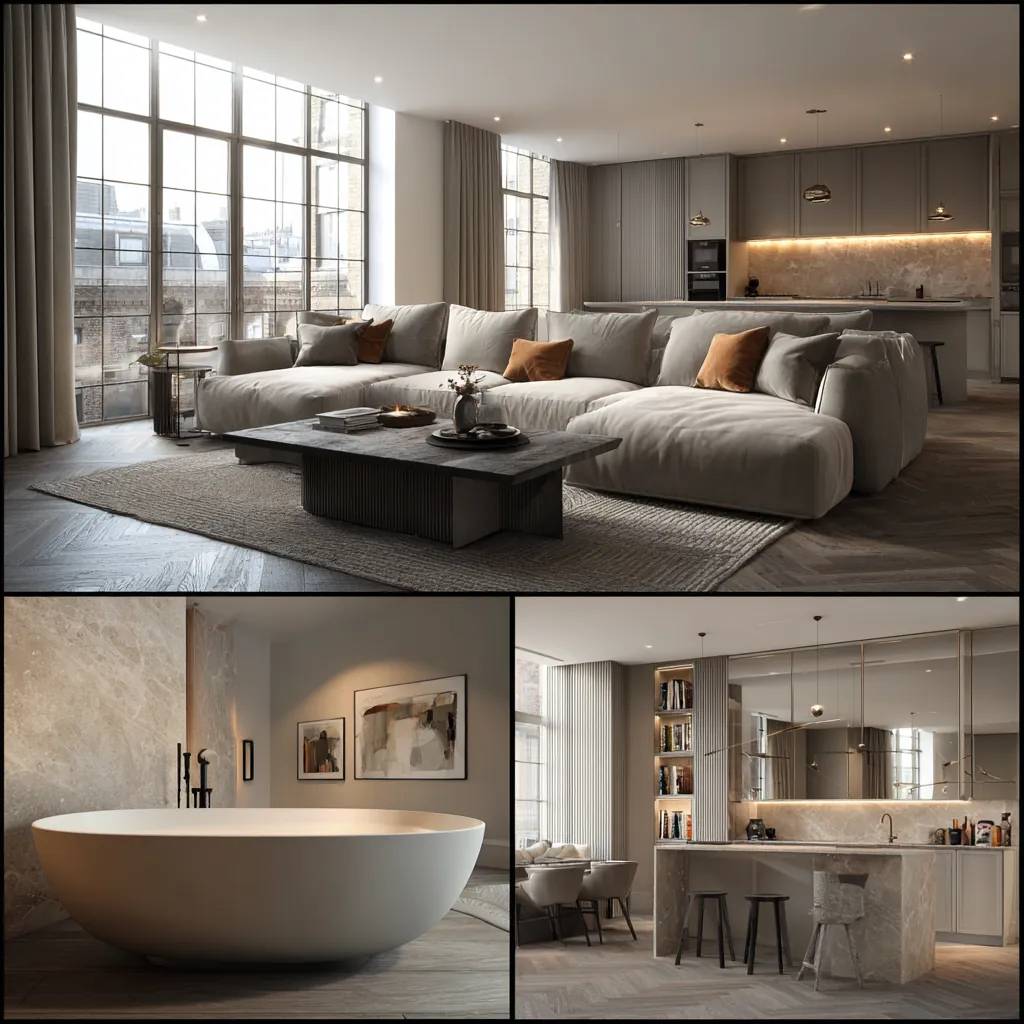
The apartment refurbishment included repairing and redecorating the original Georgian panelling, shutters and door cases. If your quote covers panelled joinery, ask which repairs are included and how the decorator will protect mouldings and moving parts.
Discuss your project
Tell us what you are planning in Hampstead
Tell us which rooms or elevations you want painted, what finish is there now and which surfaces need repair.
£5M public liability, £10M employers' liability and contractors' all risks cover.
Design support: Hampstead Architecture & Planning.
Surveying support: Hampstead Chartered Surveyors.