Earl’s Court SW5 · Houses, flats, kitchens & bathrooms

Earl's Court Renovations & Design-Build — SW5

Updated 10 November 2026

A garden square, Victorian terraces and mansion flats

Plan your house, flat or bathroom around the building itself: a terrace house on a garden square, a flat on one floor of a Victorian house, a mansion-block flat or a painted house in Earl’s Court Village. Say which council covers it, if you know, which rooms should change and what your lease or listing records show.

Serving Earl’s Court from our Hampstead studio · NW3 6DN
020 7101 3168

Hampstead Renovations design and build studio on Finchley Road
Our Hampstead studio · Finchley Road, NW3 6DN

Start with your project

Choose the work your Earl’s Court home needs

Choose a focused room renovation or a coordinated refurbishment. Each service page explains the scope in more detail and gives you a direct route to discuss the work.

01 Squares, terraces and village streets

House refurbishment in Earl’s Court

Earl’s Court houses run from gault-brick terraces with porches and cornices to red-brick Victorian houses and the small stock-brick streets of the village. Plan bathrooms, heating and wiring together with repairs to sash windows, stucco, porches and railings, and confirm the council, any listing and any Article 4 painting direction before the exterior is touched.

  • Council confirmed from the full address
  • Porch, cornice, railings and sashes surveyed
  • Structure and services traced floor by floor
Explore house refurbishment in Earl’s Court

02 Mansion flats and divided houses

Flat renovation in Earl’s Court

An Earl’s Court flat may be in a Victorian mansion block or on one floor of a terrace house, sharing roof, stacks, entrance and stair with neighbours. Read the lease before fixing a layout and get any written consent it requires, find out who controls the drains and isolation valves, and remember that flats have no householder permitted development rights.

  • Lease terms on alterations checked early
  • Who controls the stack and stopcocks known
  • Stair, entrance and delivery times agreed
Explore flat refurbishment in Earl’s Court

03 Bathrooms in flats and houses

Bathroom renovation in Earl’s Court

A standalone bathroom renovation is welcome on its own, whether it is the only bathroom in a mansion flat, a shower room on an upper floor of a divided house or an en-suite in a terrace house. Agree the extract route, the floor build-up and the fall to the stack first; only then choose waterproofing, lighting, tiles and fittings together.

  • Waste fall and extract outlet fixed first
  • Listed fabric checked before opening up
  • A working shower kept or arranged elsewhere
Explore bathroom renovation in Earl’s Court

04 Kitchens in conversions and mansion flats

Kitchen renovation in Earl's Court

Most Earl's Court kitchens sit inside a divided house or a mansion flat, so the landlord's consent and the party walls come before the cabinetry. Stacks and ventilation run through other homes, and units for an upper floor have to fit the common stair or the lift.

  • Lease and list entry checked for any new opening
  • Waste and extract traced through shared walls
  • Worktops sized against the stair or the lift
Explore kitchen renovation in Earl's Court

Real projects, clearly located

Ideas for your Earl’s Court refurbishment

Photographs of our work elsewhere in London

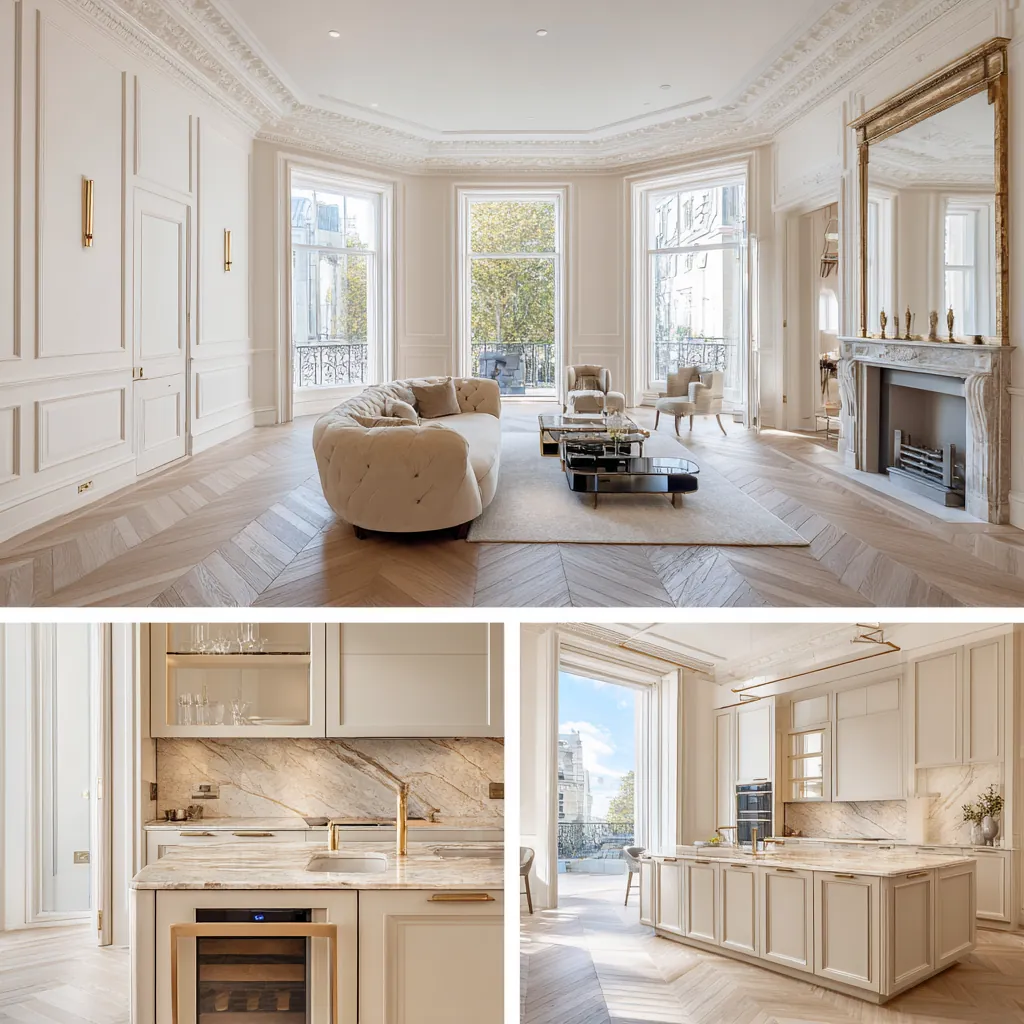
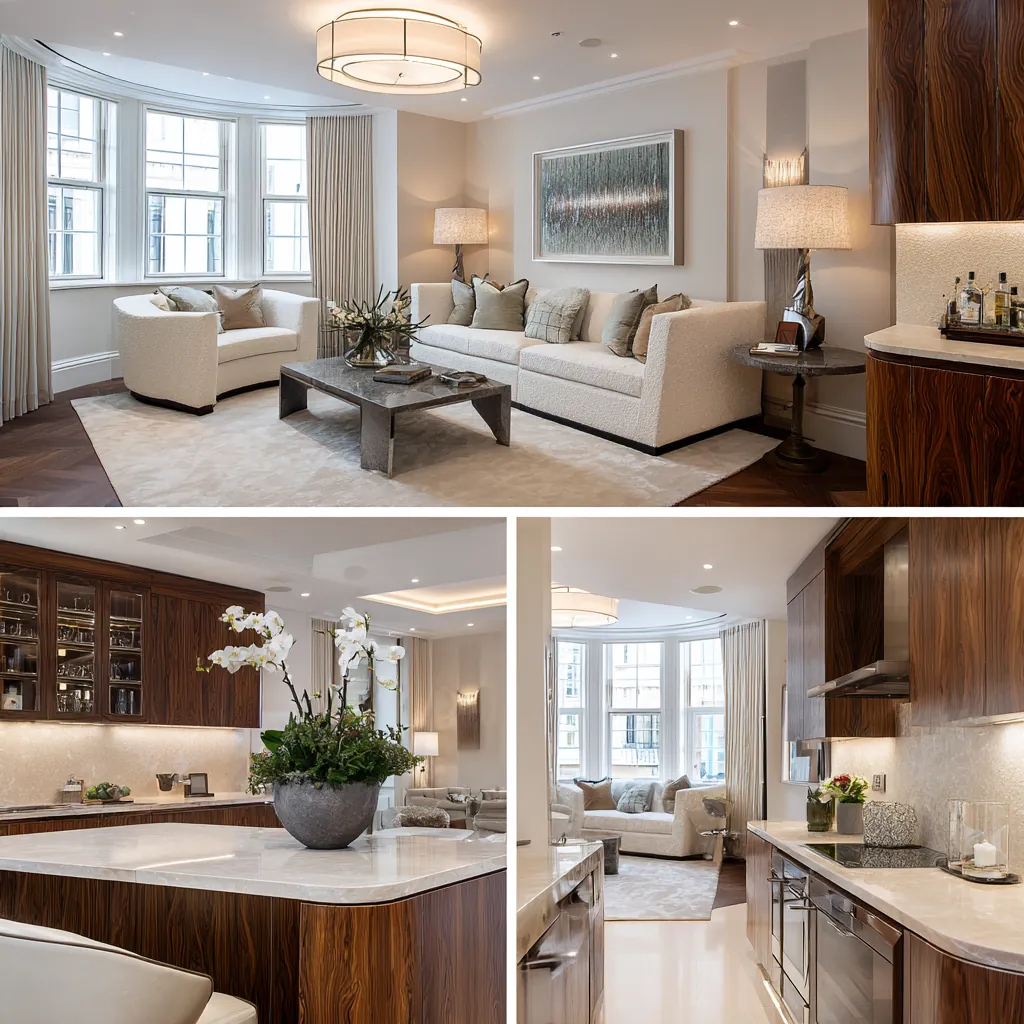
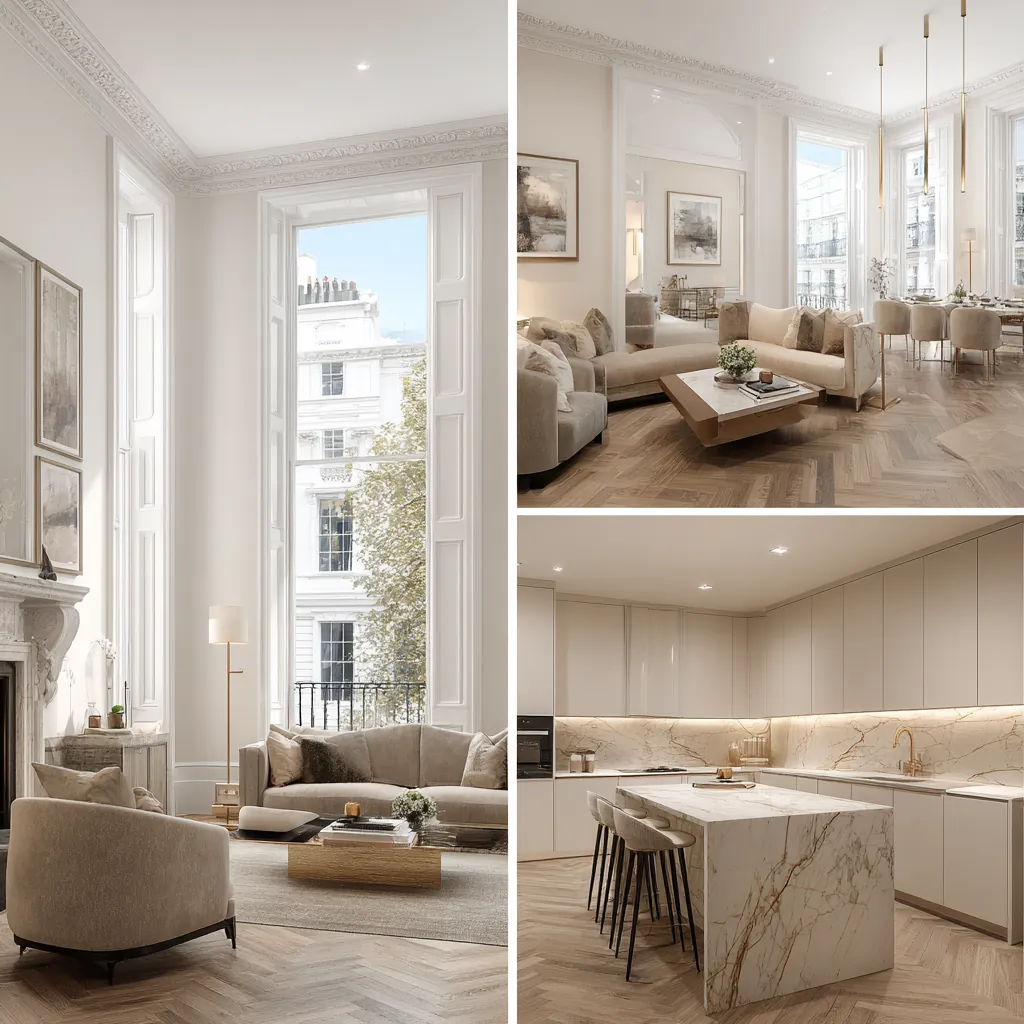
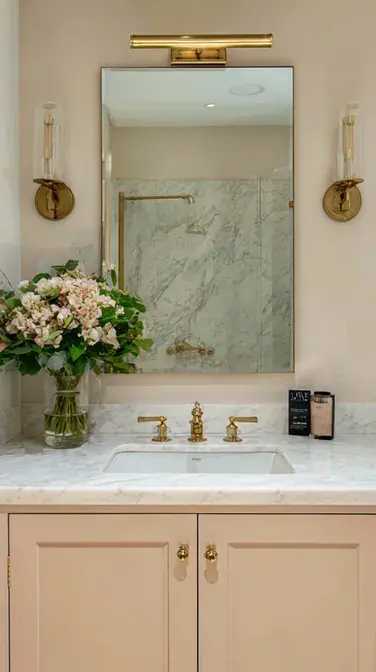
Explore apartments in Kensington and South Kensington, projects in Chelsea and Mayfair, and a bathroom in Pimlico. Use these examples to discuss the scale of work and finishes you have in mind for your own home.

More London project records: Carlton Lodge, Belgravia · King’s Road, Chelsea.

Our in-house architects, designers and structural engineers
Structural
Engineering Calculations
Planning
Applications & Consents
Building Control
Compliance Support
Leasehold
Licence for Alteration
£5M
public liability, £10M employers' liability and contractors' all risks cover

Local knowledge with a purpose

Understand the building before changing it

Earl’s Court homes range from gault- and stock-brick terraces and red-brick houses to Victorian mansion flats, on streets close to where Kensington and Chelsea meets Hammersmith and Fulham. Establish the council, the conservation area, any listing and who shares the building before you settle a layout.

Kensington and Chelsea’s Local Plan 2024 places Earl’s Court on the west of the borough, bordering Hammersmith and Fulham, and calls it largely residential, with a range of property types and tenures. Between Earl’s Court Road, Warwick Road and Old Brompton Road, the Earl’s Court Square appraisal finds mid-to-late Victorian terraces, semi-detached houses and mansion blocks, and the Nevern Square appraisal records terraces and mansion flats of 1873–1886 around a well-planted private garden square.

RBKC Local Plan 2024: policy document · RBKC: Earl’s Court Square conservation area appraisal, adopted 6 June 2016 · RBKC: Nevern Square conservation area appraisal, adopted 4 October 2018

The Philbeach appraisal describes pale gault brick fronts with stucco dressings, projecting Roman Doric porches and sash windows, tied together by continuous stucco cornices and unbroken black cast-iron railings. Earl’s Court Village, between Cromwell Road, Earl’s Court Road and the District railway lines, keeps a village-like scale in London stock brick, much of it painted in pastel colours, and stucco. In Courtfield, Italianate terraces give way from the 1880s to more ornate red-brick terraces and mansion blocks.

RBKC: Philbeach conservation area appraisal, adopted 4 October 2018 · RBKC: Earl’s Court Village conservation area appraisal, adopted 16 February 2017 · RBKC: Courtfield conservation area appraisal, adopted 14 December 2015

Historic England lists 30–52 (even) Earl’s Court Square, a late 19th-century red-brick terrace with tiled mansard roofs, at Grade II, and 1–8 Collingham Gardens, houses of 1881–4 by Ernest George with Dutch and Tudor influences, at Grade II*. Earl’s Court Station, whose 1906 facade is by Harry W Ford, is also Grade II. Listing is recorded entry by entry, so look up the address itself rather than the street.

Historic England: Nos 30 to 52 (even) Earls Court Square, Grade II · Historic England: Nos 1 to 8 Collingham Gardens, Grade II* · Historic England: Earls Court Station, Grade II · Historic England: listed-building consent

The first local check

Check the council before anything else

Kensington and Chelsea’s plan places Earl’s Court on the west of the borough, and beyond the West London line lies Hammersmith and Fulham, whose Olympia & Avonmore conservation area takes that railway as its eastern edge. Where the boundary runs street by street must be checked, not assumed. Neither the name Earl’s Court nor an SW5 postcode establishes the council, a conservation area, listing, Article 4 coverage, freehold ownership or the consent route, so check the councils’ maps, the list entry, the direction lists, the lease or title and the planning history for the full address.

Find the council for the property · RBKC Local Plan 2024: policy document · LBHF: Olympia & Avonmore Conservation Area character profile · RBKC: conservation area maps · LBHF: conservation areas, character profiles and maps · Historic England: listed-building consent · RBKC: Article 4 directions in conservation areas · LBHF: properties affected by Article 4 directions · LEASE: alterations and home improvements

Separate checks, one coordinated brief

Planning, listed buildings, building control and leases

One approval does not settle every requirement. Identify the applicable routes before ordering work, and record who will prepare submissions, arrange inspections and provide the relevant completion information.

Planning and householder rights

Where do planning permission and householder rights stop?

Work confined to the inside of an Earl’s Court home is generally not development and seldom needs planning permission. A flat has no Part 1 householder rights in either borough. A house keeps them within their limits and any earlier conditions. In a conservation area the GPDO itself excludes roof additions. Separately, Article 4 directions remove basement rights across Kensington and Chelsea and across Hammersmith and Fulham outside the Old Oak and Park Royal area, and some RBKC groups of houses need permission even to repaint the exterior.

When planning permission is required · Householder permitted development technical guidance · GPDO 2015, Schedule 2 Part 1: householder permitted development · RBKC: borough-wide basement Article 4 direction, confirmed 2 March 2016 · LBHF: borough-wide basement Article 4 direction, in force 26 April 2018 · RBKC: Article 4 directions in conservation areas · RBKC: Article 4 direction on painting, specified houses in Earl’s Court Square, sealed 15 November 1978 · RBKC: Article 4 direction on painting, Philbeach Gardens, Nevern Square, Eardley Crescent and Kempsford Gardens, 1999

Listed buildings and conservation areas

Can listing reach the rooms inside?

It can. Kensington and Chelsea’s guidance puts re-plastering, removing floorboards, cutting new openings, suspended ceilings and recessed lighting, changes to cornices, skirtings, fireplaces and internal doors, and any alteration to windows, even secondary glazing, among the works that need consent, and work that affects the building’s interest without consent is a criminal offence. Conservation-area status is a different control, described in RBKC’s appraisals and in Hammersmith and Fulham’s character profiles for their own areas.

Historic England: listed-building consent · RBKC: listed buildings explained · RBKC: conservation area appraisals and proposals statements · LBHF: conservation areas, character profiles and maps

Building Regulations

Who signs off the construction standards?

Building Regulations are a separate test from planning, listed building consent and the landlord’s licence; they can reach a new bathroom’s plumbing, electrical work close to a bath or shower, replacement windows and heating. Decide early whether council building control or a competent-person scheme will certify each element; each council’s building control service covers its own side. Taller blocks count as higher-risk buildings once they reach 18 metres or seven storeys with at least two homes, and the Building Safety Regulator then approves most work.

When Building Regulations approval is needed · GOV.UK: Building Regulations approval · RBKC: building control · LBHF: building control

Lease, freeholder and Party Wall

Who else may need to agree?

The Nevern Square appraisal traces Nevern Square’s Welsh street names to the Edwardes family, its 19th-century landowners; that is history and says nothing about who holds a freehold now, so read your lease and title. Your lease sets out when the landlord must agree in writing and what terms can be attached. Party Wall notices belong to a different law and arise only for work the Act covers, such as cutting into a wall you share or digging close to the house next door.

RBKC: Nevern Square conservation area appraisal, adopted 4 October 2018 · LEASE: alterations and home improvements · Party-wall work requiring notice

Local facts that affect the brief

Apply the controls to the work you actually need

RBKC appraisals 2015–2018; LBHF profiles

Find the appraisal or profile for the address

Kensington and Chelsea adopted appraisals for Courtfield on 14 December 2015, Earl’s Court Square on 6 June 2016 and Earl’s Court Village on 16 February 2017. Courtfield’s first part was designated in 1971 around Collingham Gardens; Earl’s Court Village dates from 1973, with extensions in 1978, 2002 and 2005; Earl’s Court Square from 1975, extended in 1985, 1998 and 2002. RBKC has no conservation area called simply Earl’s Court.

RBKC: conservation area appraisals and proposals statements · RBKC: Courtfield conservation area appraisal, adopted 14 December 2015 · RBKC: Earl’s Court Square conservation area appraisal, adopted 6 June 2016 · RBKC: Earl’s Court Village conservation area appraisal, adopted 16 February 2017 · RBKC: conservation area maps

The Philbeach and Nevern Square appraisals were both adopted on 4 October 2018. Philbeach was designated in January 1993, gained Warwick Road additions in February and June 1997, and is split in two by the former Earl’s Court Exhibition Centre; Nevern Square was first designated in May 1985 and extended in February 1997 and April 1998. Brompton Cemetery’s conservation area adjoins, still covered by an older proposals statement while its appraisal remains in draft.

RBKC: Philbeach conservation area appraisal, adopted 4 October 2018 · RBKC: Nevern Square conservation area appraisal, adopted 4 October 2018 · RBKC: conservation area appraisals and proposals statements

On the Hammersmith and Fulham side, Olympia & Avonmore was designated on 10 February 1988, with West Cromwell Road as its southern boundary, and The Billings & Brompton Cutting was designated on 2 July 2002 to recognise the transfer to Hammersmith and Fulham of part of a conservation area that Kensington and Chelsea designated in March 1979. The council notes that some areas may have been extended since their character profiles were written, so rely on its current maps.

LBHF: Olympia & Avonmore Conservation Area character profile · LBHF: Olympia and Avonmore Conservation Area and current boundary map · LBHF: The Billings & Brompton Cutting Conservation Area character profile · LBHF: conservation areas, character profiles and maps

Painting directions 1978 and 1999; basements 2016 and 2018

Article 4 directions on both sides of the line

Kensington and Chelsea has taken away householder rights for basement development, lightwells and other work below a house or its curtilage across the whole borough, by a direction made on 15 April 2015, confirmed on 2 March 2016 and in force from 28 April 2016. Hammersmith and Fulham made its own on 25 April 2017, confirmed it on 16 April 2018 and brought it into force on 26 April 2018, covering the borough apart from the Old Oak and Park Royal Development Corporation area.

RBKC: Article 4 directions · RBKC: borough-wide basement Article 4 direction, confirmed 2 March 2016 · LBHF: Article 4 directions, including the borough-wide basement direction · LBHF: borough-wide basement Article 4 direction, in force 26 April 2018

Among RBKC’s conservation-area directions are painting controls here. One, sealed on 15 November 1978, covers specified houses in Earl’s Court Square and removes the right to paint the exterior. Another, made on 5 May 1999 and in force from 30 July 1999, covers 1–110 Philbeach Gardens, 1–63 Nevern Square, Eardley Crescent and Kempsford Gardens, and removes the right to paint any exterior; the Philbeach appraisal confirms that painting a house there needs permission. A third, listed from 23 July 1976, covers 1–18 Collingham Gardens among other addresses, and removes rights covering enlargement of the house, porches, boundary walls and fences, means of access and painting of the exterior.

RBKC: Article 4 directions in conservation areas · RBKC: Article 4 direction on painting, specified houses in Earl’s Court Square, sealed 15 November 1978 · RBKC: Article 4 direction on painting, Philbeach Gardens, Nevern Square, Eardley Crescent and Kempsford Gardens, 1999 · RBKC: Philbeach conservation area appraisal, adopted 4 October 2018 · RBKC: Article 4 direction no. 12 (Collingham Gardens)

Hammersmith and Fulham lists its minor-alteration directions by name, each with the properties affected, and none is named for Olympia & Avonmore or The Billings & Brompton Cutting. That is no proof that a given property is free of every direction, so check the council’s property list, or RBKC’s table on the other side, for the exact address before relying on householder rights.

LBHF: properties affected by Article 4 directions · RBKC: Article 4 directions in conservation areas

Local Plan 2024; Local Plan 2018; draft October 2025

Use the adopted plan for each side

Kensington and Chelsea adopted its Local Plan 2024 on 24 July 2024, and it now carries full weight; appraisals that cite chapters of earlier plans should be read with it. Under Policy CD12 the council resists adding a storey to a complete terrace whose roofline is unimpaired by extensions, or to a mansion block where the addition would substantially increase its bulk or upset its architectural composition. CD13 resists extensions that go beyond the general rear building line or rise to or above the main eaves.

RBKC: Local Plan 2024, adopted 24 July 2024 · RBKC: Local Plan 2024 adoption statement · RBKC Local Plan 2024: policy document

Hammersmith and Fulham’s Local Plan was adopted on 28 February 2018 and carries full weight. Its Policy DC4 expects alterations to be compatible with the scale and character of existing development, integrated into the building’s architectural design and subservient to it. The council consulted on a draft Regulation 18 plan, dated October 2025 and looking ahead to 2042, from 29 October to 10 December; it is emerging, not adopted policy.

LBHF: Local Plan, adopted 28 February 2018 · LBHF: Local Plan adoption statement · LBHF Local Plan 2018: policy document · LBHF: draft Local Plan, Regulation 18 consultation (emerging, not adopted) · LBHF: draft Local Plan introduction, October 2025

Both plans also deal with the Earl’s Court and West Kensington Opportunity Area: RBKC’s site allocation SA2 covers its share of the former exhibition land, between the railway and the rear of Philbeach Gardens, and LBHF applies strategic site policy FRA1. The exhibition centre has been demolished, and RBKC records that the approved scheme was not built. These policies govern that development site, not alterations to existing homes.

RBKC Local Plan 2024: policy document · LBHF Local Plan 2018: policy document

Policies CD11 and DC11

An existing lower floor or a new basement

Fitting out a lower ground room that already exists is one thing; excavating under the house or garden is basement development, which each council controls through its own policy, and whether deepening an existing room counts is a question for the council. Kensington and Chelsea’s CD11 keeps a basement to a single storey under no more than half of each garden, bars a further floor where one exists or is permitted, forbids digging beneath a listed building and calls for a pumped device against sewer flooding, since a non-return valve alone will not do. Its Basements SPD asks for an engineer’s construction method statement.

RBKC Local Plan 2024: policy document · RBKC: Basements Supplementary Planning Document, April 2016

Hammersmith and Fulham’s DC11 permits a new or extended basement only where it reaches under the garden no further than half the depth of the house, nor more than half the depth of the garden, is set back from neighbouring boundaries wherever it extends beyond the house’s footprint, is one storey except on large sites, keeps at least a metre of soil over any part beneath a garden and uses SuDS and active drainage devices to minimise the risk of sewer flooding. A Construction Method Statement by a qualified structural or civil engineer, with a construction traffic management plan, is required.

LBHF Local Plan 2018: policy document

Before you order windows, repaint a front, alter a roof or commit to excavation, confirm whether the address answers to Kensington and Chelsea or to Hammersmith and Fulham, and only then work out the consents. Each council’s plan, directions and hours apply on its own side alone. Planning permission, listed building consent, conservation-area guidance, Building Regulations, the lease and the Party Wall Act are separate tests, and passing one leaves the others open.

Find the council for the property · RBKC: Article 4 directions in conservation areas · LBHF: Article 4 directions, including the borough-wide basement direction · Historic England: listed-building consent · When Building Regulations approval is needed · LEASE: alterations and home improvements · Party-wall work requiring notice

Local guidance checked . The linked sources help you prepare a brief; requirements depend on the address, building and complete proposal.

From retained details to shared services

Sash windows, painted fronts, shared stacks and lower floors

Sashes, porches and glazing

Record each sash’s condition so that repair and draught-proofing can be weighed against secondary glazing or new frames. In a listed RBKC building, any window alteration, secondary glazing included, needs listed building consent, and Policy CD10 resists small changes that are not discreetly located; Hammersmith and Fulham’s DC4 wants alterations integrated into the building’s design. For a flat, householder rights do not apply, and the lease may add terms.

RBKC: listed buildings explained · RBKC Local Plan 2024: policy document · LBHF Local Plan 2018: policy document · Householder permitted development technical guidance · LEASE: alterations and home improvements

Bathrooms on shared stacks

In a mansion flat or a divided house, the route and fall to the shared stack usually decide where a bathroom can go. Ask who is responsible for the shared drains and isolation valves and how to reach the ceiling below, then fix the waterproofing and floor build-up before any tile is chosen. RBKC lists vents among works needing consent in a listed building, so agree the extract route early.

LEASE: alterations and home improvements · When Building Regulations approval is needed · RBKC: listed buildings explained

Joists, partitions and sound

Have an engineer confirm whether a partition is load-bearing, and check the joist direction and any notches left by old pipework, before a wall is removed. Where a house has been divided into flats, decide floor build-up, sound insulation and lease conditions together, and ask how Approved Document E applies to the work. In a listed RBKC building, removing floorboards, new openings and suspended ceilings all need consent.

When Building Regulations approval is needed · GOV.UK: Approved Document E, resistance to sound · LEASE: alterations and home improvements · RBKC: listed buildings explained

Painted fronts, railings and trees

Painting a house under RBKC’s directions in Earl’s Court Square, Philbeach Gardens, Nevern Square, Eardley Crescent, Kempsford Gardens or Collingham Gardens needs planning permission, and the Philbeach appraisal counts unbroken black cast-iron railings in its character. In a conservation area, RBKC requires approval for work to trees over 75mm across at 1.5 metres, and Hammersmith and Fulham asks for six weeks’ written notice for trunks of 75mm or more.

RBKC: Article 4 direction on painting, specified houses in Earl’s Court Square, sealed 15 November 1978 · RBKC: Article 4 direction on painting, Philbeach Gardens, Nevern Square, Eardley Crescent and Kempsford Gardens, 1999 · RBKC: Article 4 direction no. 12 (Collingham Gardens) · RBKC: Philbeach conservation area appraisal, adopted 4 October 2018 · RBKC: trees and planning · LBHF: trees and tree preservation orders · Tree preservation orders and conservation-area trees

Lower ground floors and buried remains

Trace damp in an existing lower floor before fitting it out. Historic England’s 2016 RBKC appraisal has a priority area for cemeteries including Brompton, with no confirmed reach beyond them; no other area description names Earl’s Court. LBHF’s plan puts its priority areas generally by the river or historic village centres. These are readings: check each address on RBKC’s Policies Map and LBHF’s Appendix 5; the flood map is context.

Historic England: Kensington and Chelsea Archaeological Priority Areas appraisal, August 2016 · RBKC Local Plan 2024: policy document · LBHF Local Plan 2018: policy document · Check long-term flood risk in England

Insulation, heating and ventilation together

Plan insulation, heating and ventilation as one package, because each affects how moisture behaves in brick and stucco walls. RBKC’s Policy CD10 resists small-scale alterations that harm a building or are not discreetly placed, which can bear on flues, vents and plant, and Hammersmith and Fulham’s DC4 expects alterations to stay subservient to the parent building. Read any list entry before fixing to walls or roof.

Historic England: a whole-building approach · RBKC Local Plan 2024: policy document · LBHF Local Plan 2018: policy document · Historic England: listed-building consent

A practical plan for the street and building

Working hours, deliveries and shared access

Street licences, TfL roads and deliveries

Trace how materials will reach the room, entrance and stairs included. On a reading of TfL’s data at the points checked, Cromwell Road, West Cromwell Road, Warwick Road, Earl’s Court Road south of Cromwell Road, Finborough Road, Redcliffe Gardens, Edith Grove and Gunter Grove are TfL roads, where TfL issues the licences and considers skips only in rare cases; check its map for your frontage. Kensington and Chelsea wants the bay suspension booked first (at least 10 full working days’ notice for a resident bay), then issues the skip licence a month at a time; scaffolding needs a structures licence, and roll-on, roll-off containers are banned. In Hammersmith and Fulham, only skip or scaffolding companies may apply, a skip in a bay needs a suspension first and never stands on the footway, and suspension notice starts at eight days for up to six bays for up to three days, counting Saturdays and Sundays.

TfL: red routes and the TLRN map · TfL: highway licences on red routes · RBKC: working in the borough and highway licences · RBKC: parking suspensions and highway licences · RBKC: skip licences · RBKC: advice for scaffolders · LBHF: skip licences · LBHF: scaffolding licences · LBHF: parking suspensions and road closures

Two councils, two sets of hours

Confirm the council before drawing up the timetable. On the Kensington and Chelsea side the permitted hours are 8am to 6pm on weekdays, with nothing on Saturdays, Sundays or public holidays, and demolition or concrete-breaking only between 9am and noon and 2pm and 5.30pm. Hammersmith and Fulham allows 8am to 6pm Monday to Friday and 8am to 1pm on Saturdays, never Sundays or bank holidays, and contractors can seek section 61 consent for other times. RBKC’s construction code puts internal refurbishment in Category 3, and Hammersmith and Fulham expects every site to meet its 2023 code. Check the lease for tighter rules, warn neighbours and the building manager, and decide early whether you will stay at home.

Find the council for the property · RBKC: Code of Construction Practice and permitted working hours · RBKC Code of Construction Practice, revised April 2019 · LBHF: construction site noise and permitted hours · LBHF: construction guidance and Code of Construction Practice, April 2023 · LEASE: alterations and home improvements

A clear scope before a price

Plan your renovation budget and quotation

Let measured drawings and a written scope set the price of an Earl’s Court project; the postcode tells a contractor nothing about cost. Keep repairs to stucco, sashes and railings apart from room work, list shared-building and listed items separately, and ask each contractor which council’s hours and licences the price allows for.

What is there now

Document the building as it stands, so no item is priced on an assumption.

  • Scaled plans and dated condition photographs
  • Sash, cornice, porch and railing repairs listed
  • Trial openings agreed for joists, damp and drains

Rooms, finishes and services

Write the room schedule tightly, so rival prices answer the same question.

  • A drawn layout and finish list for every room
  • Waste routes, heat source, fans and circuits
  • Items you supply and who fits them

Consents, notices and the street

Price the approvals and licences this scheme actually needs, no more and no fewer.

  • Each council, heritage or lease approval the work needs
  • Party Wall notice if, and only if, the work is notifiable
  • Skip, scaffold and bay suspension with the right council

Allowances and order of work

Name what is still uncertain, and whose risk it is, before anything is signed.

  • Allowances and exclusions named, VAT stated
  • Long-lead items and when to order them
  • Certificates and records due at handover

Living in SW5 adds no set surcharge and does not decide the programme. Each quotation should say where VAT, professional fees, street licences, the building’s own rules and defects uncovered during the work are accounted for. If only a bathroom is needed, it receives a standalone quotation covering that single room.

From an idea to a workable scope

Prepare your brief and renovation budget

  1. Describe the building

    Send the full address and the kind of home: a house on a square or in the village streets, a flat in a divided house or a mansion-block flat, with its floor. Say which rooms are involved, and send pictures of the façade, the entrance, the roof and any damp.

  2. Name the council and share records

    If you already know which council covers the address, Kensington and Chelsea or Hammersmith and Fulham, tell us. Attach the records you hold: lease extracts, the building’s rules, old drawings, planning or listed building decisions and completion certificates, plus any direction or designation you have spotted.

  3. Fixed choices and open questions

    Split the brief into what is settled, such as known repairs and the finishes you like, and what waits on opening up, an engineer’s report or the landlord’s answer. The open items can then be priced as provisional sums instead of being guessed, and revisited once the answers arrive.

  4. Roles, access and working hours

    Decide in advance who applies for what, who serves notices and who calls in the inspectors. Work out deliveries, licences and stair protection with whoever manages the building, check which council’s hours bind the site, and say whether you plan to live in during the works and how variations should be logged.

Ready to take the next step? Send the property address and a short outline of what you want to change.

Discuss your Earl’s Court project

Our Hampstead base, serving Earl’s Court

Talk to our Finchley Road studio

Our studio is in Hampstead on Finchley Road, at NW3 6DN. We serve Earl’s Court from this office. Bring us the practical questions about your house, flat or bathroom and the result you want to achieve.

Contact the studio to discuss your brief and arrange the next step. If you already have drawings, a lease or planning correspondence, tell us what is available.

Book a feasibility visit
Hampstead Renovations
Unit 3 Palace Court
250 Finchley Road
London NW3 6DN

020 7101 3168
contact@hampsteadrenovations.co.uk

Find our studio on Google Maps

Questions before you begin

Renovating in Earl’s Court: practical answers

Will you take on a standalone bathroom in Earl’s Court?

Yes. One bathroom, an en-suite or a shower room can be the entire job, and nothing else in the home has to change. Send its measurements and a handful of photographs, tell us the floor and, if you know it, the line of the soil stack, and say whether a second bathroom will be available meanwhile.

Which conservation area, if any, covers my Earl’s Court address?

Two councils keep separate conservation maps here, so find out which one covers the address before looking it up. On the Kensington and Chelsea side the areas include Earl’s Court Square, Earl’s Court Village, Philbeach, Nevern Square and Courtfield, with Brompton Cemetery adjoining; none is called simply Earl’s Court. Beyond the railway, Hammersmith and Fulham’s Olympia & Avonmore area has West Cromwell Road as its southern boundary. An SW5 postcode settles no boundary.

Find the council for the property · RBKC: conservation area maps · RBKC: Earl’s Court Square conservation area appraisal, adopted 6 June 2016 · RBKC: Earl’s Court Village conservation area appraisal, adopted 16 February 2017 · RBKC: Philbeach conservation area appraisal, adopted 4 October 2018 · RBKC: Nevern Square conservation area appraisal, adopted 4 October 2018 · RBKC: Courtfield conservation area appraisal, adopted 14 December 2015 · RBKC: conservation area appraisals and proposals statements · LBHF: Olympia & Avonmore Conservation Area character profile · LBHF: conservation areas, character profiles and maps

Is my building affected by an Article 4 direction or listing?

Both councils have borough-wide directions removing householder basement rights. RBKC directions also remove the right to paint the exterior of specified houses in Earl’s Court Square and Collingham Gardens, and in Philbeach Gardens, Nevern Square, Eardley Crescent and Kempsford Gardens. Listing goes entry by entry: 30–52 (even) Earl’s Court Square is Grade II and 1–8 Collingham Gardens Grade II*, so check the list for your own address.

RBKC: borough-wide basement Article 4 direction, confirmed 2 March 2016 · LBHF: borough-wide basement Article 4 direction, in force 26 April 2018 · RBKC: Article 4 direction on painting, specified houses in Earl’s Court Square, sealed 15 November 1978 · RBKC: Article 4 direction on painting, Philbeach Gardens, Nevern Square, Eardley Crescent and Kempsford Gardens, 1999 · RBKC: Article 4 direction no. 12 (Collingham Gardens) · Historic England: Nos 30 to 52 (even) Earls Court Square, Grade II · Historic England: Nos 1 to 8 Collingham Gardens, Grade II* · Historic England: listed-building consent

Can I fit new or secondary glazing to my sash windows?

The answer turns on whether the building is listed and which council covers it. In a listed building in Kensington and Chelsea, any window alteration, secondary glazing included, needs listed building consent, and Hammersmith and Fulham’s Policy DC4 expects alterations to suit the building’s architectural design. A flat cannot rely on householder rights, so confirm whether planning permission is required and what the lease allows before frames are ordered.

RBKC: listed buildings explained · Historic England: listed-building consent · LBHF Local Plan 2018: policy document · Householder permitted development technical guidance · LEASE: alterations and home improvements

What approval does work inside an Earl’s Court flat need?

Planning permission is rarely involved when the work stays inside a flat, because new layouts and finishes are not normally development. Whether the landlord or freeholder must consent in writing depends on the lease, as do the conditions it sets for floors, services and windows. If the building is listed, internal work that touches its special interest may need listed building consent; Building Regulations still govern the plumbing, wiring and any structural change.

When planning permission is required · LEASE: alterations and home improvements · Historic England: listed-building consent · RBKC: listed buildings explained · When Building Regulations approval is needed

Before a wall is removed or a bathroom moved, what needs checking?

Start with a structural engineer’s view of the wall and the joists it may carry, then trace the waste fall, water supply and extract route to the new position. In a listed RBKC building, new openings in walls need consent. Where the home is a flat, also check the lease, the sound rules between neighbouring homes and, if the work touches a shared wall in a way the Act covers, the Party Wall procedure.

When Building Regulations approval is needed · RBKC: listed buildings explained · LEASE: alterations and home improvements · GOV.UK: Approved Document E, resistance to sound · Party-wall work requiring notice
Can I dig a new basement or extend an existing one?

That is a separate project from refitting a lower floor you already have, and each council has removed householder basement rights. RBKC’s CD11 limits a basement to one storey, bars excavation under a listed building and asks for a pumped device against sewer flooding. LBHF’s DC11 caps the reach under the garden at half the depth of the house and half that of the garden, and requires an engineer’s Construction Method Statement.

RBKC: borough-wide basement Article 4 direction, confirmed 2 March 2016 · LBHF: borough-wide basement Article 4 direction, in force 26 April 2018 · RBKC Local Plan 2024: policy document · LBHF Local Plan 2018: policy document

When can noisy work take place in Earl’s Court?

That depends on the council. Kensington and Chelsea’s window is 8am to 6pm on weekdays only, with Saturdays, Sundays and public holidays excluded. Hammersmith and Fulham allows the same weekday hours plus Saturday mornings from 8am to 1pm, and none on Sundays or bank holidays. Find out which council covers the address first, then look for stricter limits in the lease or building rules.

RBKC: Code of Construction Practice and permitted working hours · LBHF: construction site noise and permitted hours · Find the council for the property · LEASE: alterations and home improvements

How do I compare builders’ quotations fairly?

First make sure they describe one scope of work, with the same rooms, quantities, repairs and finishes, and that every provisional sum, exclusion and VAT assumption is in writing. Then see what each allows for listed fabric, painted fronts, shared stairs, street licences and the landlord’s conditions, and which council’s working hours it has assumed. Neither a surcharge nor a fixed completion date follows from an Earl’s Court address.

Where is the studio that serves Earl’s Court?

Our only studio is at Unit 3 Palace Court, 250 Finchley Road, London NW3 6DN, and we serve Earl’s Court from this office. A first message is most useful when it gives the address, the council if known, the rooms you want to change, a few photographs, any lease, drawings or planning papers, and what matters most in the budget.

Independent
Surveying
Hampstead Renovations operates alongside Hampstead Chartered Surveyors & Building Consultancy — an firm providing chartered building surveying, fire safety and project advisory services, under shared directorship. Both practices are based in Hampstead NW3, giving Earl's Court clients access to professional oversight from survey through to handover.

Book a feasibility visit

We reply within one working day, Monday to Friday, 8am to 6pm.

Consultations by appointment

Private consultations near Sloane Square

We offer renovation consultations by appointment at 2 Eaton Gate for Central and South West London clients.

This gives clients a convenient Prime Central London meeting location for high-end refurbishments, listed homes, conservation properties, basements, extensions and full home renovations.

Client Reviews
“

I would like to thank Ross and his team for their consistent commitment to quality and their unerring reliability. They delivered our property to specification and on time, proving to be an extremely effective, experienced, and proactive contractor.

JW
James WardInvestment Director, Belgravia
“

We have worked with Ross and his company many times. They are extremely professional and hardworking individuals who can work under any circumstances. There was no variation to the works.

CR
Cirus RehmanFinance Director, Grosvenor Street, Mayfair
“

A company where you get value for your money while at the same time achieving excellent quality. Their work is carried out on time and within budget. We've worked with them on multiple projects and they never disappoint.

BI
Brian InghamDirector, Green Evolution Limited
Design-Build in Earl's Court

Looking for a Local Builder in Earl's Court?

One team, one contract — from feasibility drawing to handover photograph. Our in-house architects, designers and structural engineers, and our own build teams, all under a fixed-price design-build contract.

View Our Earl's Court Builders Page
South West London overview
Property Refurbishment Company in South West London →

See how Earl’s Court fits within our wider South West London refurbishment service — house, flat and apartment refurbishment, extensions, lofts, basements and listed work under one team.

Full Service Directory

Services relevant to Earl’s Court, SW5

Explore 8 service routes for Earl’s Court properties, grouped by project type and delivered by the same design-build team.

Loft Conversions

Loft Conversions in Earl’s Court →

Extensions

House Extensions in Earl’s Court →

Basements

Basement Conversions in Earl’s Court →

Refurbishment

House Refurbishment in Earl’s Court →

Flat refurbishment

Kitchens

Kitchen Renovation in Earl’s Court →

Bathrooms

Bathroom Renovation in Earl’s Court →

Interiors & Joinery

Bespoke Joinery in Earl’s Court →

Chat with us!