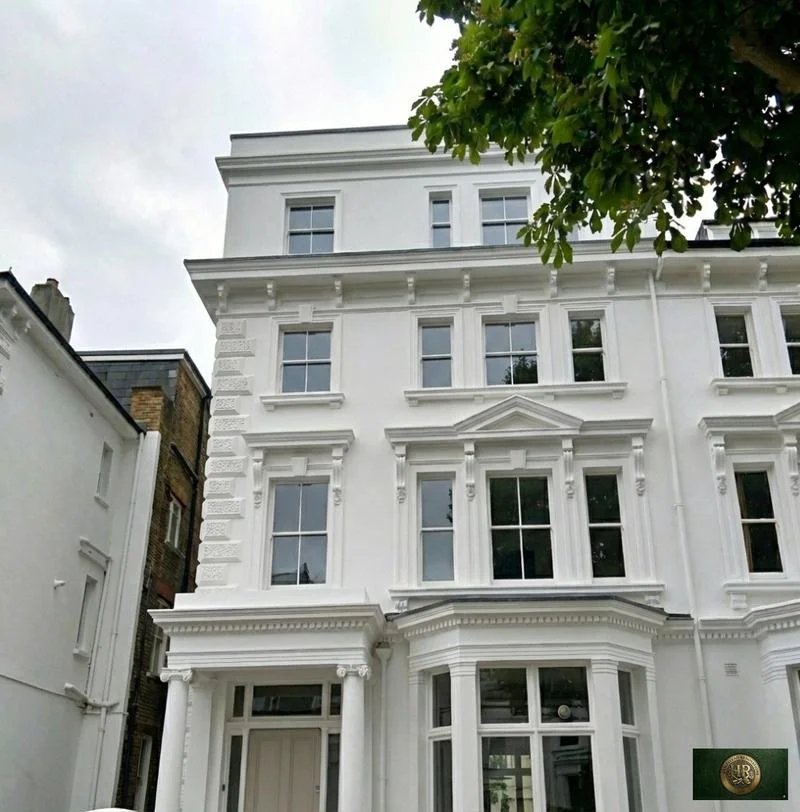
Sash windows are defining features of Hampstead Village's Georgian, Victorian, and Edwardian properties. These elegant vertical-sliding windows contribute significantly to the area's architectural character and historic charm. However, after decades or even centuries of use, many sash windows suffer from decay, poor operation, and air leakage. Professional restoration can bring these beautiful features back to life, improving thermal efficiency and functionality while preserving authenticity—essential in Hampstead's conservation areas where window replacement faces strict restrictions.
Understanding Traditional Sash Windows
Sash windows consist of two moveable panels (sashes) that slide vertically, counterbalanced by weights hidden within the frame. This ingenious design, introduced to England in the 17th century, became ubiquitous in Georgian and Victorian architecture.
Key Components:
- Sashes: The moveable window frames containing glass panes
- Box Frame: The surrounding frame containing pulleys and weights
- Sash Cords: Rope or chain connecting sashes to counterweights
- Weights: Cast iron or lead weights hidden in boxes either side
- Pulleys: Wheels at the top of the frame over which cords run
- Meeting Rails: The horizontal pieces where upper and lower sashes meet
- Glazing Bars: Wooden bars dividing glass panes (muntin bars)
- Sill: The bottom horizontal piece, most vulnerable to water damage
Period Variations:
Georgian (1714-1830): Typically six-over-six or eight-over-eight pane arrangements, thinner glazing bars, more delicate proportions. Early examples had external glazing bars flush with the frame.
Victorian (1837-1901): Often two-over-two panes as larger glass became affordable. Heavier construction, decorative horns on the meeting rails, sometimes ornamental top sashes.
Edwardian (1901-1910): Similar to Victorian but often with upper sashes featuring small panes over plain lower sashes, reflecting Arts and Crafts influences.
Signs Your Sash Windows Need Restoration
Common problems indicating restoration is needed:
- Difficulty Opening: Windows stick, require force, or won't stay open
- Broken Cords: Sashes drop suddenly or won't stay raised
- Rattling: Windows rattle in wind due to loose fit
- Draughts: Noticeable air infiltration around frames
- Timber Decay: Soft or rotten wood, particularly in sills and bottom rails
- Paint Build-Up: Thick layers of paint affecting operation
- Broken Glass: Cracked or missing panes
- Water Damage: Peeling paint, staining, or fungal growth
- Missing Putty: Glazing putty cracked or fallen away
The Restoration Process
Survey and Assessment: A specialist surveys all windows, documenting condition and required works. This identifies:
- Extent of timber decay
- Condition of cords, weights, and pulleys
- Operation and fit
- Historical significance and original features
- Glass condition
- Paint analysis (for listed buildings)
Careful Removal: Windows are carefully removed to workshops for restoration. This allows thorough work in controlled conditions and minimises disruption. During removal:
- Windows are numbered and documented
- Temporary boarding protects openings
- Original features are carefully preserved
- Glass is removed and stored safely
Timber Repair: Damaged timber is carefully repaired:
- Splicing: Cutting away decayed sections and splicing in new timber, traditionally scarfed and jointed
- Resin Repairs: For minor decay, two-part epoxy resins consolidate and rebuild timber
- Replacement: Severely damaged components replaced with matching timber (typically softwood for softwood windows, hardwood for hardwood)
- Like-for-Like: New timber matches original species, grain, and profiles exactly
Mechanism Overhaul:
- Replace broken sash cords with new cord or chain (chain lasts longer)
- Service or replace pulleys ensuring smooth operation
- Clean and paint weights, add or remove weight as needed for proper balance
- Adjust staff beads to ensure proper fit and smooth running
- Install draught-proofing brushes or compression seals
Draught-Proofing: Modern draught-proofing systems dramatically improve thermal performance while remaining invisible:
- Brush seals installed in discrete grooves around sashes
- Compression seals in meeting rails
- Properly fitted staff beads reduce gaps
- Can reduce air infiltration by 90%+
- Significantly improves comfort and reduces heating costs
Re-Glazing:
- Original glass (crown or cylinder glass) can often be re-used if sound
- Replacement glass matches original in appearance
- Slim double-glazing units can be installed in some cases (requires Camden Council approval in conservation areas)
- Traditional linseed oil putty used externally
- Glazing bars repaired or replaced if damaged
Decoration:
- Strip back to bare timber if heavily painted or paint failing
- Apply appropriate primer and undercoats
- Multiple coats of high-quality paint system
- Traditional linseed oil paints allow timber to breathe
- Modern microporous paints offer good durability
- Colour matching to approved schemes in conservation areas
Reinstallation:
- Restored windows carefully reinstalled
- Adjusted for perfect fit and smooth operation
- All fixings and furniture (catches, fasteners) serviced or replaced
- Final painting of frame and sills
Conservation Area Requirements in Hampstead
Hampstead Village falls within the Hampstead Conservation Area, one of London's most strictly protected. Window replacement requires planning permission, and Camden Council generally expects:
- Retention of Original Windows: Strong presumption in favour of repair over replacement
- Like-for-Like Replacement: If replacement is unavoidable, new windows must exactly match originals in materials, design, and appearance
- Timber Only: UPVC or aluminium generally not acceptable in conservation areas
- Traditional Details: Glazing bar profiles, sash thickness, and glass must match originals
- Paint Colours: Should be appropriate to the period and property type
- Double Glazing: May be permitted if slim enough to fit existing frames without altering appearance
Professional restoration usually proves more acceptable to planning officers than replacement, preserving historic fabric while achieving good performance.
Double Glazing in Sash Windows
A common question is whether double glazing can be installed in historic sash windows. Options include:
Slim Double-Glazed Units: Modern slim units (12-14mm total thickness) can fit some existing sashes. This requires:
- Sufficient sash depth to accommodate units
- Planning permission in conservation areas
- Careful specification to avoid visible difference from single glazing
- Acceptance of some weight increase affecting balance
Secondary Glazing: An alternative approach installing discrete secondary glazing internally:
- Achieves similar thermal performance to double glazing
- Doesn't require altering original windows
- Easier to gain planning approval
- Excellent acoustic performance
- Can be removed without affecting historic fabric
- More acceptable for listed buildings
Properly Restored Single Glazing: With effective draught-proofing and heavy curtains or shutters, single-glazed sash windows can be remarkably comfortable and efficient.
Costs of Sash Window Restoration
Restoration costs vary depending on condition and requirements:
Basic Restoration (per window): varies with the repairs and redecoration needed
- Minor timber repairs
- New cords and draught-proofing
- Decoration
- Re-glazing with existing glass where possible
Comprehensive Restoration (per window): depends on the state of the timber and mechanism
- Significant timber repairs
- Full mechanism overhaul
- Professional draught-proofing system
- Complete redecoration
- New glass if required
Extensive Restoration/Rebuild (per window): reflects the components to be rebuilt or replaced
- Major timber replacement
- Reconstructing damaged components
- Slim double glazing if approved
- High specification finish
- Listed building specialist work
For a typical Hampstead property with 10-15 windows, full restoration is priced after a survey, depending on condition. Whilst significant, this often costs less than high-quality timber replacement windows and preserves authentic historic features.
Restoration vs. Replacement
Property owners often ask whether restoration or replacement makes better sense:
Advantages of Restoration:
- Preserves historic fabric and authenticity
- Easier to gain planning approval in conservation areas
- Often less expensive than quality replacement
- Original timber often superior to modern timber
- Maintains property value and character
- More sustainable—reuses existing materials
- Restored windows can last another 50-100+ years
When Replacement May Be Necessary:
- Windows severely damaged beyond economic repair
- Previous poor-quality replacements worth replacing with proper reproductions
- Missing original windows that need recreating
- Significant structural issues with frames or openings
In Hampstead's conservation area, replacement requires planning permission and substantial justification. Camden Council expects clear evidence that repair is not viable.
Maintenance After Restoration
Properly maintained restored sash windows will last decades:
- Regular Painting: External surfaces every 4-6 years, internal every 6-8 years
- Check and Adjust: Annually check operation, adjust if needed
- Clean Drainage: Ensure sill drainage holes remain clear
- Putty Maintenance: Touch up any cracked or missing putty promptly
- Cord Replacement: Replace cords when they show signs of wear before they break
- Draught-Proofing: Replace brush seals every 10-15 years as needed
- Keep Painted: Never leave bare timber exposed to weather
Finding Specialist Sash Window Restorers
Sash window restoration requires specialist skills. Look for:
- Proven experience with period windows and conservation work
- Portfolio of completed restoration projects
- Understanding of Camden planning requirements
- Proper workshop facilities for thorough restoration
- Traditional joinery skills and modern draught-proofing knowledge
- References from similar properties in conservation areas
- Membership of relevant trade bodies
- Current insurance and written guarantees
Expert Sash Window Restoration in Hampstead Village
Hampstead Renovations works with specialist sash window restorers to bring period windows back to life across Hampstead, Hampstead Heath, Belsize Park and North West London. We understand conservation requirements and deliver exceptional restoration that preserves character while improving performance.
Call: 020 7101 3168 | Email: contact@hampsteadrenovations.co.uk