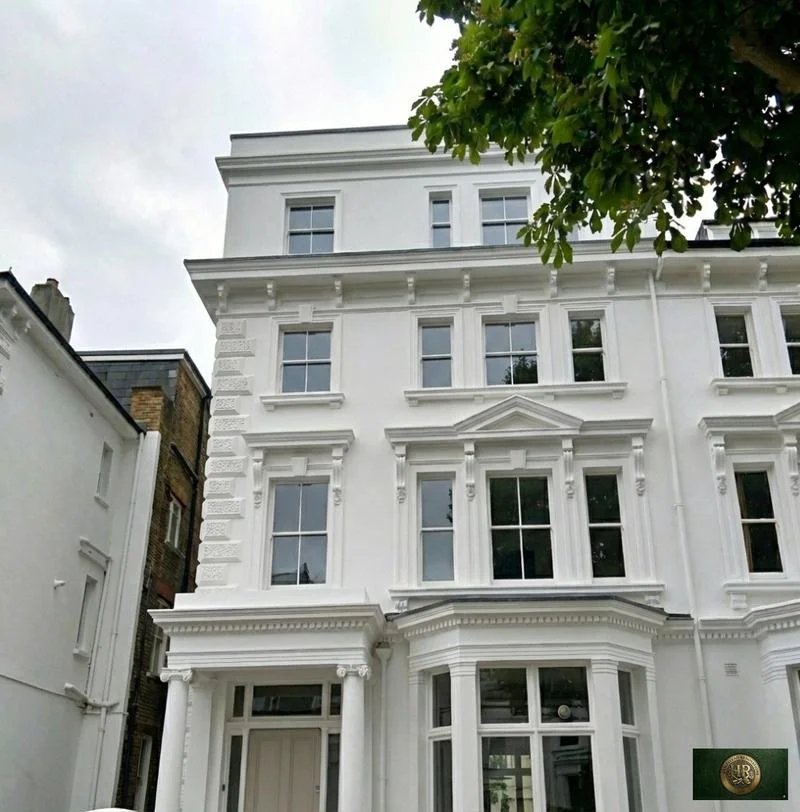
Victorian and Edwardian properties across North London are beautiful but energy-inefficient. Built before insulation became standard, these solid-walled homes lose significant heat, creating high energy bills and carbon emissions. Strategic insulation upgrades improve comfort, reduce costs, and increase property values while respecting period character. This guide covers practical insulation solutions for older London homes.
Priority Areas for Insulation
Loft Insulation: Highest priority—25-30% heat loss through un insulated roofs. Modern standard: 270mm insulation. Cost depends on loft size and material. DIY-friendly with mineral wool rolls.
Solid Wall Insulation: 35% heat loss through uninsulated solid walls. Internal or external insulation options. Each option costs differently. Significant improvement but expensive.
Floor Insulation: 10-15% heat loss through floors. Insulation between joists reduces loss. Access affects cost. More disruptive than loft but worthwhile.
Draught-Proofing: 15-20% heat loss through gaps. Most cost-effective upgrade. Professional draught-proofing costs vary with the gaps. Immediate comfort improvement.
Loft Insulation Details
Current building regulations require 270mm thickness (U-value 0.16). Options include:
- Mineral wool rolls: Most economical, DIY-friendly
- Blown-in insulation: Professional installation, fills gaps
- Rigid board insulation: For loft conversions with limited height, more expensive
If loft used for storage, board over insulation. Include hatch insulation and pipe lagging.
Solid Wall Insulation Options
Internal Wall Insulation (IWI):
- Insulated plasterboard fixed to external walls
- Reduces room size by 50-100mm
- Cost: depends on wall area
- No scaffolding needed
- Can do room-by-room
- Doesn't alter external appearance (good for conservation areas)
- Risk of interstitial condensation if poorly designed
External Wall Insulation (EWI):
- Insulation boards fixed to external walls, rendered over
- More effective than IWI (no thermal bridges)
- Cost: depends on the area covered
- Requires scaffolding
- Changes external appearance (rarely permitted in conservation areas)
- Protects original walls from weather
- Must do whole house at once
For period properties in conservation areas, IWI only practical option despite drawbacks.
Floor Insulation
Victorian/Edwardian houses have suspended timber floors. Insulation installed between joists:
- Lift floorboards (can relay originals or replace with new)
- Install netting between joists
- Lay insulation (mineral wool or rigid boards)
- Ensure ventilation below floor maintained (prevent rot)
- Cost: depends on the floor area
Less disruptive in empty properties or during renovation. Significant comfort improvement in cold months.
Window Upgrades
Original single-glazed sash windows lose heat but are character features worth preserving:
Draught-Proofing: Professional brush seals reduce air infiltration by 90%. Cost depends on the number of windows. Dramatic comfort improvement.
Secondary Glazing: Discreet internal glazing provides near-double-glazing performance without replacing originals. Cost depends on the number and size of windows. Excellent acoustic benefits too.
Slim Double-Glazing: Modern units fit existing sash frames. May require planning permission in conservation areas. Cost depends on window size and specification.
For most period properties, draught-proofing plus secondary glazing offers best balance of performance, cost, and heritage preservation.
Avoiding Moisture Problems
Solid-walled period properties were designed to "breathe"—moisture evaporates through permeable materials. Insulation must not trap moisture:
- Use breathable materials (mineral wool, wood fibre boards)
- Avoid impermeable vapour barriers on solid walls
- Maintain ventilation (don't block airbricks)
- Install mechanical ventilation if making building very airtight
- Lime plaster more compatible than gypsum in very old properties
Specialist advice important for listed buildings or properties with historic significance.
Heating System Upgrades
After insulating, heating systems can often be downsized saving money:
- Modern combination boilers more efficient than old systems
- Smart thermostats and zone controls reduce waste
- Thermostatic radiator valves (TRVs) on each radiator
- Heat pumps become viable after good insulation
- Radiator upgrades improve heat distribution
Costs and Savings
Typical Investment:
- Loft insulation: varies with loft size
- Draught-proofing: reflects home size
- Floor insulation: driven by floor area
- Internal wall insulation: quoted after a survey
- Window improvements: set by window count
Plus improved comfort year-round.
Grants and Funding
Various schemes available:
- ECO4 scheme for low-income households
- Local authority grants (check Camden, Barnet, Haringey, Westminster councils)
- Green Homes Grant (when available)
- 0% VAT on energy-saving materials for some work
Expert Insulation Upgrades in North London
Hampstead Renovations helps homeowners improve energy efficiency across North London. We install appropriate insulation respecting period properties while dramatically reducing energy use and improving comfort.
Call: 020 7101 3168 | Email: contact@hampsteadrenovations.co.uk