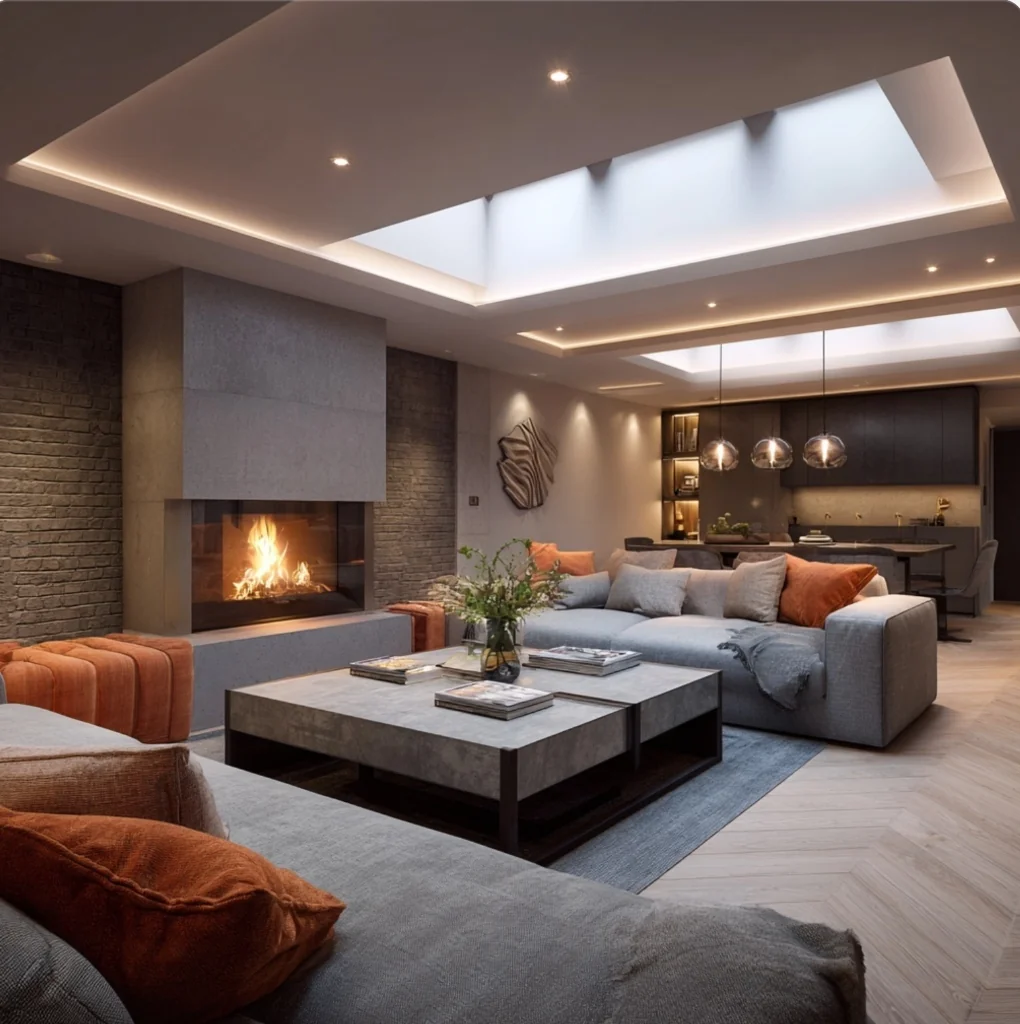
A combined brief for the rooms above and below
Considering a basement and an extension together can help reveal decisions that affect both levels. Begin with how the spaces will be used and the connection between them. Identify the existing rooms to retain, the proposed openings and the position of the stair. Keep the arrangement provisional while the relevant technical and permission questions are investigated.
Bring any existing plans, structural reports and drainage information to the first discussion. Label what is confirmed and what remains uncertain. A drawing of the completed rooms should not imply that the excavation, support or waterproofing approach has already been resolved. Ask the team to explain which specialists need to contribute and which investigations should precede a fixed layout.
Coordinate the design at the junction between levels
The relationship between the extension and the basement deserves its own review. Ask the designer and engineer to show how new and retained construction meet, and how the proposed sequence relates to the final structure. Record assumptions about existing support clearly. An arrangement that appears straightforward in a room plan may still need detailed investigation before it can be adopted.
Review openings, thresholds, stair positions and external levels together. Changes to one can affect circulation, daylight or the details around another. Keep the relevant sections and elevations aligned with the latest floor plan. Where an option depends on an unresolved condition, retain an alternative rather than allowing the rest of the design to rely on an untested assumption.
Water, ventilation and accessible services
Discuss the basement's water-management approach with the appropriate professionals alongside the extension drainage. Separate groundwater questions, surface-water drainage and internal plumbing so each receives the right assessment. Record known water-entry problems accurately, including their location and the conditions in which they have been observed, without diagnosing the cause from appearance alone.
Consider how ventilation and other services can be maintained after finishes are complete. Ask where access is needed and how it will remain available. Keep product information and proposed service routes with the coordinated drawings. The room layout should make those technical decisions visible to the team rather than leaving them to be fitted around finished surfaces later.
Keep the approval records distinct
Identify the planning, building-control and neighbour questions for the actual property. A report prepared for one purpose should not be assumed to resolve every other responsibility. For a Camden proposal, the basement impact assessment guide explains the council's technical evidence process. The separate party-wall guide helps frame the adjoining-owner enquiry.
Maintain a permissions schedule that identifies the document being sought, the person responsible and any design information it depends on. Review the schedule when the scope changes. Keep unresolved matters explicit so a general statement that the project is approved does not hide a condition or separate enquiry that still requires attention.
Prepare the construction and handover information
Ask the project team to agree how design revisions, site observations and outstanding questions will be recorded. A shared drawing register helps identify which details are current. When an unexpected condition is found, the record should show who assessed it and how the relevant design was updated. This makes the construction discussion traceable without relying on informal recollection.
Plan the final information while the work is being documented. Keep relevant inspection records, certificates, product details and maintenance instructions together. Identify what remains outstanding and who will supply it. A useful handover record explains the completed arrangement, including access to concealed components, so the information can support the home after the building work is finished.
Basement & Extension FAQ
Prepare a description of the intended rooms and the connections between them, together with available drawings and reports. Ask the team to identify the technical investigations and permission enquiries needed for the property. Keep the desired arrangement provisional until the assumptions behind it have been assessed.
No single project description resolves every permission or technical responsibility. Establish the relevant planning, building-control and neighbour procedures with the appropriate advisers. Record the documents and conditions for each, and revisit the list when the design or proposed construction operations change.
The arrangement of rooms and external levels needs to be coordinated with the proposed drainage and water-management approach. Ask the relevant specialists to explain their assumptions and the information still required. Keep the technical details connected to the latest drawings rather than treating them as an unrelated later decision.
Ask the designer and engineer to explain the junction between new and retained construction, the relevant levels and any assumptions about existing support. Record unresolved conditions and the investigations needed. A room plan alone does not establish the suitability of a structural or waterproofing detail.
Agree a project-specific list of final drawings, inspection information, relevant certificates, product details and maintenance instructions. Keep outstanding items clearly identified. The completed record should explain the arrangement that was built and make information about accessible service components straightforward to locate.
Book a feasibility visit
Discuss your combined basement and extension plans with our architectural and structural experts. We provide clear, realistic advice on feasibility, costs, and timelines.
Discuss your project
Tell us what you are planning
Share the property location, the work you have in mind and any drawings or permissions you already have.
£5M public liability, £10M employers' liability and contractors' all risks cover.
Design support: Hampstead Architecture & Planning. Surveying support: Hampstead Chartered Surveyors & Building Consultancy.
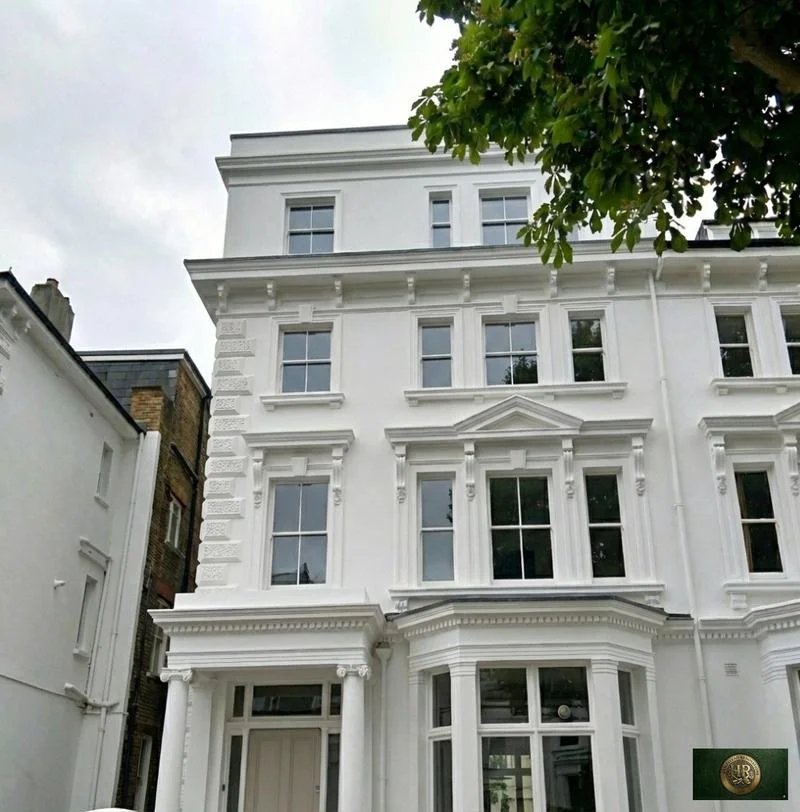
Completed renovation project examples
Updated