Look beyond the proposed colour
Walk around the room and note staining, cracking, flaking or uneven repairs. Explain when each problem appeared and whether it changes with weather or use. These observations help direct the appropriate investigation; they do not establish the cause on their own. We distinguish work that belongs to decoration from defects that need another trade or specialist before a new finish is applied.
Existing coatings also require attention. Their apparent smoothness does not confirm that the layers beneath are sound or compatible with the proposed treatment. We assess accessible conditions and identify testing where it is needed. The work description should explain the intended preparation rather than using a broad instruction that leaves different interpretations of what the surface is ready to receive.
Decide which materials should remain exposed
Some interiors combine painted surfaces with timber, masonry or metal features. We discuss which finishes you value and record the edges between them before selecting a decorative scheme. An exposed surface may need its own assessment and care approach rather than being treated as a convenient place to trial an unfamiliar coating. The method should follow the material and its condition.
Where a feature has architectural significance, suitable advice informs the treatment. We avoid assuming that stripping, sanding or coating is appropriate simply because it creates a more uniform appearance. The agreed scope identifies retained materials and any areas needing specialist input. That record helps protect the qualities you wanted to keep when the initial discussion began.
Use samples to understand the room's light
View proposed colours on the relevant surfaces at different times and alongside furniture or finishes that remain. Reflected light can change how neighbouring colours are perceived, especially in a room with a broad window or strong artificial lighting. We discuss the intended effect on the whole space rather than choosing each wall, ceiling and item of woodwork in isolation.
Sheen and texture are considered with colour. A finish may emphasise surface irregularities or behave differently on a frequently handled door than on a quiet ceiling. The selected product should suit the agreed use and care expectations. Recording finish references and locations helps keep a multiroom scheme consistent without relying on memory or an unlabelled sample left on site.
Plan protection and the sequence of related tasks
Furniture, floors, fittings and personal belongings need a clear arrangement before preparation starts. We identify what will be moved, what remains and how access to occupied spaces will work. In an apartment, the route through shared circulation and any building-management guidance also need consideration. Protection should account for the movement of people and materials, not only the surfaces immediately beneath a painted wall.
Where decoration follows joinery, electrical or plumbing changes, the affected areas are coordinated with those tasks. The detail should explain reinstatement around new fittings and the treatment of disturbed edges. Completing a finish before the underlying work is understood can create unnecessary patching and inconsistent surfaces. We make those dependencies visible in the scope so the intended result can be delivered coherently.
Check external proposals separately
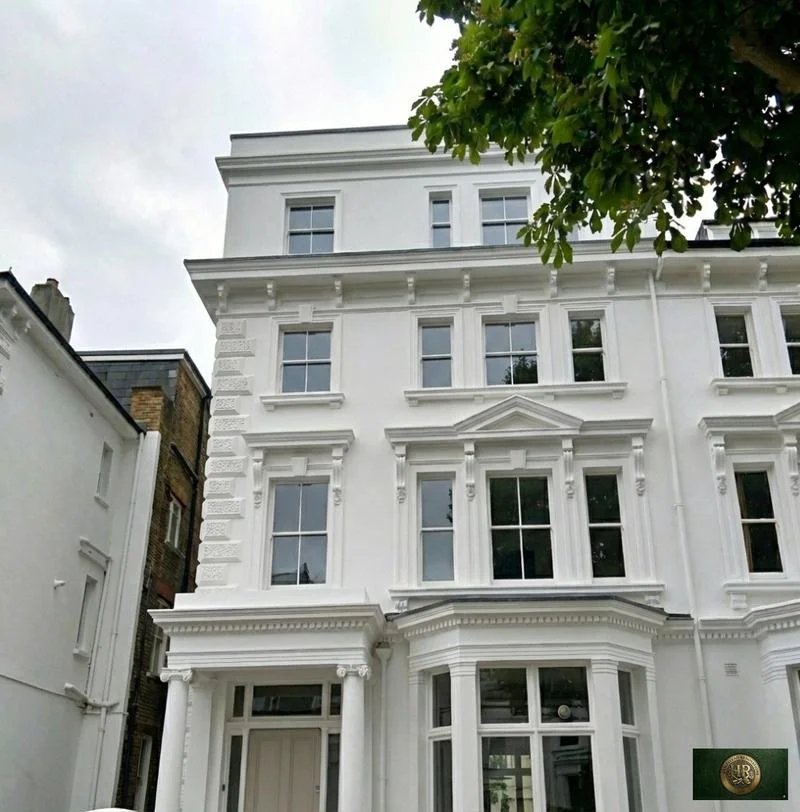
If the enquiry includes an external surface, its building context and proposed treatment need their own review. Tower Hamlets' conservation information helps identify the relevant mapped setting where heritage or appearance questions arise. An interior decorating brief should not be taken as permission to alter external fabric, and a neighbouring building's colour is not proof that the same treatment is appropriate here.
The completion inspection considers edges, repaired areas and the operation of decorated doors or windows, as well as the overall consistency of the scheme. Retain product references and care advice for future maintenance. Book a feasibility visit with photographs of the rooms and any defects, plus an explanation of the atmosphere you want to create. This gives the discussion a useful balance of practical condition and personal preference.
Sources: Tower Hamlets: conservation areas
Before work begins
Painting & decorating in Wapping: questions
Can paint hide a recurring stain permanently?
The underlying cause must first be understood. A historic mark after a completed repair is different from an active leak or moisture condition. We review the available information and identify the appropriate assessment before specifying decoration, so a new surface does not conceal a problem that remains unresolved.
Should exposed brick or timber be painted to match the room?
That is a material and design decision requiring consideration of condition, significance and the intended result. We record what should remain and seek appropriate advice where needed. A coating should not be selected solely to make different surfaces look uniform without understanding the consequences for the existing fabric.
How can I assess a colour beyond a small sample card?
View a sample on the relevant surface alongside the room's retained materials and under its normal lighting. Consider it at different times and at the scale of the intended scheme. The relationship between walls, ceiling, woodwork and furniture is more informative than judging a colour in isolation.
What arrangements help when the home remains occupied?
Identify the rooms that need access, belongings requiring protection and furniture that cannot easily be moved. Explain any shared-building requirements and related installation work. A clear preparation plan allows the decorating scope to respond to actual household use rather than assuming each room is empty and independent.
What information should be kept after decorating?
Keep finish references, product details, locations and relevant care instructions together. Photographs can record repaired areas and retained features at completion. This information helps future maintenance use the correct approach instead of relying on an approximate colour match or an assumption about the preparation beneath the finish.
Official sources
Tower Hamlets: John Orwell Sports Centre in Wapping · Tower Hamlets: conservation areas
Sources checked on the dates recorded in the source register, most recently 8 November 2026. Maps, list entries and directions must be checked for the individual property and proposed work.