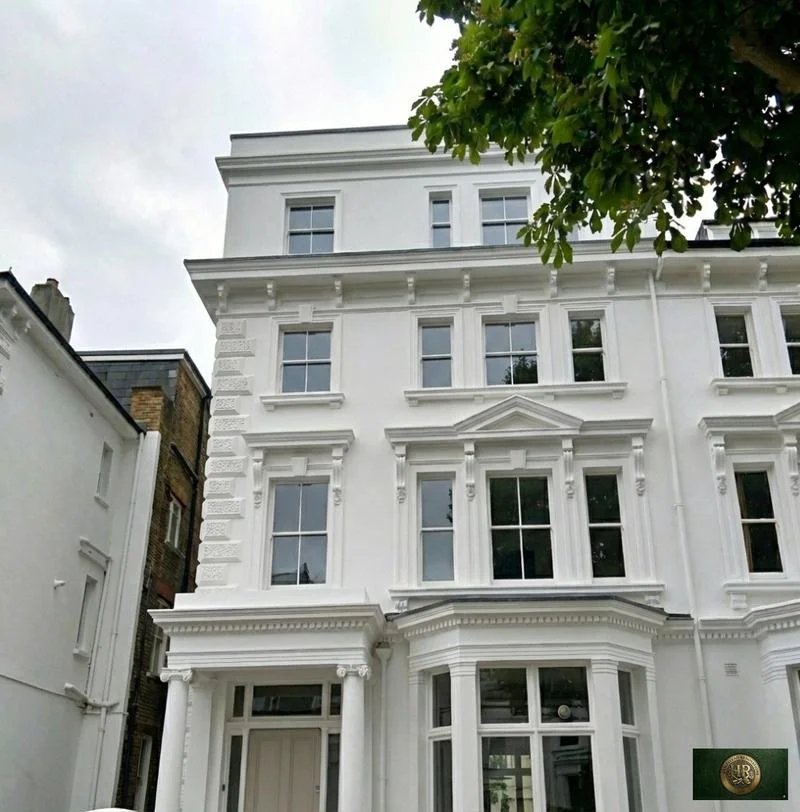
Separate the desired appearance from the condition found
Tell us what you want to improve in the rooms. A change of palette, a more consistent finish or attention to worn timber may each involve a different scope. We record the surfaces and the visible problems before deciding on preparation. This allows the homeowner to distinguish a decorative preference from repair work that needs to be understood and addressed beneath the new coating.
Existing texture is discussed explicitly. Some interiors benefit from retaining the character of an older surface, while other areas need a more even appearance to meet the brief. We identify what can reasonably be achieved on the material present and where further work would be required. An agreed expectation is more useful than assuming that every room should be made uniformly smooth without regard to its construction.
Investigate recurring defects before specifying coatings
Stains, cracks and loose finishes are recorded with any history the homeowner can provide. If a defect has returned after an earlier repair, that information helps define the next investigation. We identify where appropriate specialist advice is needed rather than guessing the cause from a photograph. The decorative specification should follow the assessment, avoiding a new surface that merely conceals an unresolved building issue.
Preparation is matched to the substrate and existing coating. Trial areas can help establish the extent of removal, filling or local treatment, particularly where the condition varies across a room. Adjoining surfaces and retained details need suitable protection. If a different condition becomes visible during preparation, the method should be reviewed before it is repeated, keeping the work responsive to the evidence found.
Check relevant fabric against current property information
Ealing Council's conservation review records changes to boundaries. Where painting involves external fabric or features requiring specialist assessment, we use relevant current property information instead of assuming an older map remains definitive. The treatment proposed is described clearly for the appropriate advice, rather than treating the broad term decorating as sufficient to explain its physical effect.
Doors, mouldings and other retained elements are reviewed individually. Coating build-up, worn edges and past repairs can influence the preparation needed to preserve their profiles. We discuss how the detail should read in the finished room and use samples where helpful. The result should have deliberate junctions and legible shapes, with any alteration to the underlying feature understood before work proceeds.
Sources: Ealing: conservation-area review
Choose colour and sheen in the room
The existing floor, furniture and lighting provide a useful setting for samples. We compare colours in the places they will be used, including areas with different illumination. A palette can connect neighbouring rooms or give each space a more distinct identity. The selected references are recorded by location, reducing ambiguity when several similar shades or finishes form part of the same project.
Practical handling and cleaning are considered with appearance. Surfaces touched frequently may need a different finish from sheltered areas, and sheen can change the visibility of existing irregularities. We discuss these consequences before the specification is fixed. Samples should help the homeowner understand the intended result on a real surface, rather than make a choice from a name that conveys little about how the coating behaves.
Coordinate the final surface with the rest of the work
New lights, altered sockets and fitted furniture can all affect decoration. We identify those interfaces and the responsibilities for preparation and making good before final coats are planned. Contents and access routes are reviewed for protection, with relevant shared-building arrangements considered where necessary. This coordination keeps the decorative scope connected to the actual finished room rather than an earlier layout.
The completion review checks the agreed surface treatment, junctions and operation of decorated moving elements. Product and colour records support later care or local attention. Book a feasibility visit with photographs, known defect history and a rough outline of the rooms involved. Include retained furnishings and other planned changes so the painting and decorating brief can respond to your Ealing home accurately.
Before work begins
Painting & decorating in Ealing: questions
Can a decorating brief include different preparation levels in different rooms?
Yes. The condition and desired appearance may vary, so the specification should describe each surface appropriately. We distinguish necessary repairs from optional changes in texture. This makes expectations clear and avoids applying an identical treatment where the materials or the homeowner's priorities call for a different approach.
What should I do if a stain has returned after previous decoration?
Record where it appears and any changes you have observed, including the history of repairs. That information helps identify the appropriate assessment before another finish is specified. A recurring symptom should not be treated as a colour problem without considering the condition that may be causing it.
How can I judge whether a colour works with my existing furniture?
Review samples in the room beside the furnishings and flooring that will remain. Look under the lighting you normally use and consider the proposed sheen. We help connect those observations to the palette, so the decision reflects the actual interior rather than an isolated sample card.
Are doors and mouldings assessed separately from walls?
Yes. Their materials, coatings and profiles can require a different preparation and finish. We record their condition and consider operation as well as appearance. This helps preserve deliberate edges and avoid treating a detailed timber element as though it were simply another flat wall surface.
What information is useful for a decorating enquiry?
Send room photographs and close views of defects, with any history of earlier repairs. Describe the atmosphere you want and the furnishings remaining in place. Details of electrical, joinery or other connected work help establish a coordinated scope for preparation, protection and the final finish.
Official sources
Ealing Council: community venue locations · Ealing: conservation-area review
Sources checked on the dates recorded in the source register, most recently 8 November 2026. Maps, list entries and directions must be checked for the individual property and proposed work.