Balham is where South London's best Victorian housing stock meets a young, ambitious neighbourhood. Our architects understand every roof profile, every side return, and every Wandsworth planning nuance that makes SW12 one of the most rewarding places to renovate in London.
Balham has been one of South London's great success stories. Known since the Victorian era as the "Gateway to the South," its residential streets were laid out in the late nineteenth century to house the prosperous middle classes drawn by the railway. What they built — street after street of well-proportioned Victorian terraces, interspersed with handsome Edwardian semis and later mansion flats — has proved remarkably resilient, and remarkably adaptable to twenty-first-century family life.
The housing stock is dominated by Victorian terraced houses, typically two or three storeys with generous rear gardens, original bay windows, and the steeply pitched roofs that make SW12 one of London's best areas for loft conversions. Along the grander streets — Ramsden Road, Boundaries Road, Cavendish Road — you'll find larger Edwardian properties with more generous proportions. The 1930s contributed mansion flats along Balham High Road and the surrounding streets, and more recent decades have added new-build apartment blocks, particularly around the station.
For homeowners in SW12, the appeal is clear. Wandsworth Council is generally more permissive than inner London boroughs like RBKC or Camden, with good permitted development rights for rear extensions, loft conversions, and internal remodelling. The Heaver Estate and Nightingale Triangle conservation areas require more care, but even here, well-designed schemes are approved regularly. Balham's combination of strong Victorian housing stock, a pragmatic planning authority, and a neighbourhood that values quality renovation makes it one of London's most rewarding places to invest in your home.
From Victorian loft conversions to open-plan kitchen extensions, every service shaped by deep knowledge of Balham's housing stock and Wandsworth's planning framework.
Balham's most popular renovation. Victorian roof profiles are ideal for dormer and mansard conversions, adding a master suite or extra bedroom to SW12's terraced houses.
Unlock open-plan living by extending into the rear garden or side return. Wandsworth's permitted development rights make many Balham extensions possible without planning permission.
Complete property transformation from Victorian terrace to contemporary family home. Structural work, all trades, and project management for Balham's most ambitious renovations.
Open-plan kitchen-diners are Balham's signature project. Knocking through to create the social heart of a Victorian terrace.
Cellar conversions and underpinning for Balham's Victorian properties. Additional living space below ground with proper waterproofing.
Contemporary family bathrooms and period-sympathetic en-suites for SW12's Victorian and Edwardian properties.
RIBA architects. Planning applications, 3D visualisation, and construction drawings for Wandsworth submissions.
Chartered engineers. Wall removal, steel beams, underpinning, and foundations for Balham's period properties.
Sash window repair, cornicing, original tiling, and Victorian joinery restoration for Balham's heritage properties.
The Balham style — Victorian character with contemporary family living. Material selection, space planning, and specification.
Wandsworth planning expertise. Permitted development, conservation area, and householder applications for SW12.
The classic Balham project — infilling the narrow side return to create a wider, brighter kitchen and dining space.
Full mansard loft conversions for Balham's Victorian terraces. Maximise headroom and floor area with proper dormer design.
Full Party Wall Act management through our RICS chartered surveying practice. Essential for Balham's terraced properties.
RICS condition surveys via Hampstead Chartered Surveyors & Building Consultancy. Pre-purchase and pre-renovation.
Balham falls under the London Borough of Wandsworth — historically one of London's more permissive planning authorities. For most Victorian terraced houses outside conservation areas, permitted development rights allow single-storey rear extensions up to 6 metres (or 8 metres under prior approval), loft conversions with rear dormers, and internal remodelling without needing full planning permission. This makes Balham one of the easiest places in London to add meaningful space to a family home.
Within the Heaver Estate and Nightingale Triangle conservation areas, additional care is required. Permitted development rights may be restricted, and external alterations — including front-facing dormer windows, changes to front boundaries, and satellite dishes — typically require planning permission. However, Wandsworth's conservation team is pragmatic, and well-designed schemes that respect the character of these attractive Victorian and Edwardian streets are routinely approved.
View Wandsworth planning portal →Heaver Estate and Nightingale Triangle conservation areas protect Balham's finest Victorian and Edwardian streets. Design sensitivity required for external works.
Strong PD rights outside conservation areas. Rear extensions up to 6m, loft dormers, and internal works often possible without planning permission.
Victorian roof profiles in SW12 are ideal for dormers and mansards. Rear dormers under PD; front dormers and mansards typically need planning consent.
Wandsworth offers pre-application consultations. Recommended for conservation area schemes, larger extensions, and mansard loft conversions.
Realistic cost ranges for the most common project types in Balham. SW12 offers strong value compared to prime central London, with quality results that significantly increase property value.
The Victorian ambition, Edwardian elegance, and community spirit that shaped one of South London's most characterful neighbourhoods.
How Victorian railway expansion transformed a rural hamlet into one of South London's most desirable residential suburbs, and why the housing stock has proved so enduring.
A guide to the architectural features that define Balham's terraces — bay windows, decorative brickwork, slate roofs, and the generous proportions that make them ideal for modern family living.
The roof profiles, ceiling heights, and planning freedoms that make Balham one of the best areas in London for dormer and mansard loft conversions.
Selected projects from across London.

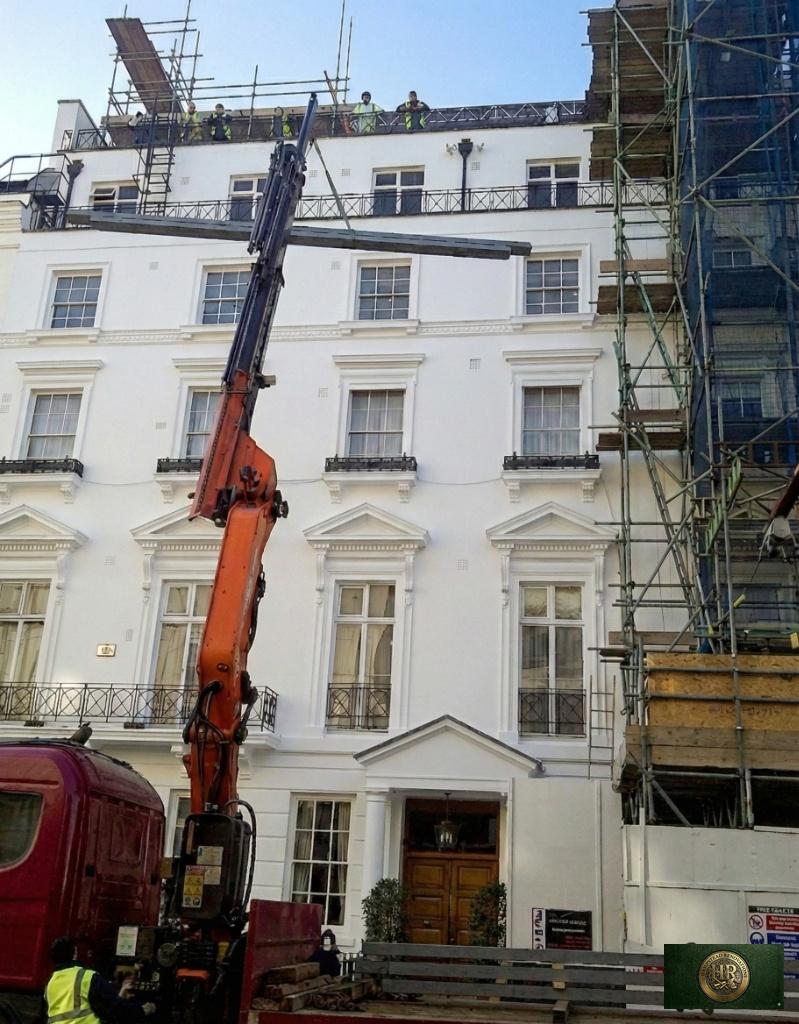
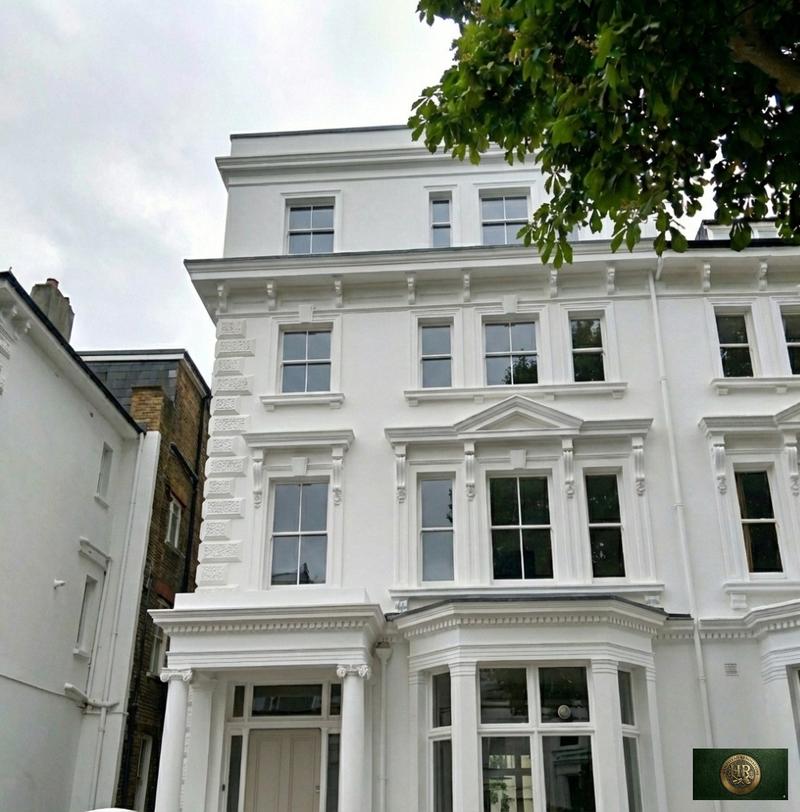
Five-storey house extension, full basement conversion, loft conversion and complete refurbishment within Belsize Park’s conservation area.
View Case Study →
Penthouse duplex refurbishment and roof reconstruction within a Grade II listed setting, unifying the top two levels into seamless luxury living.
View Case Study →
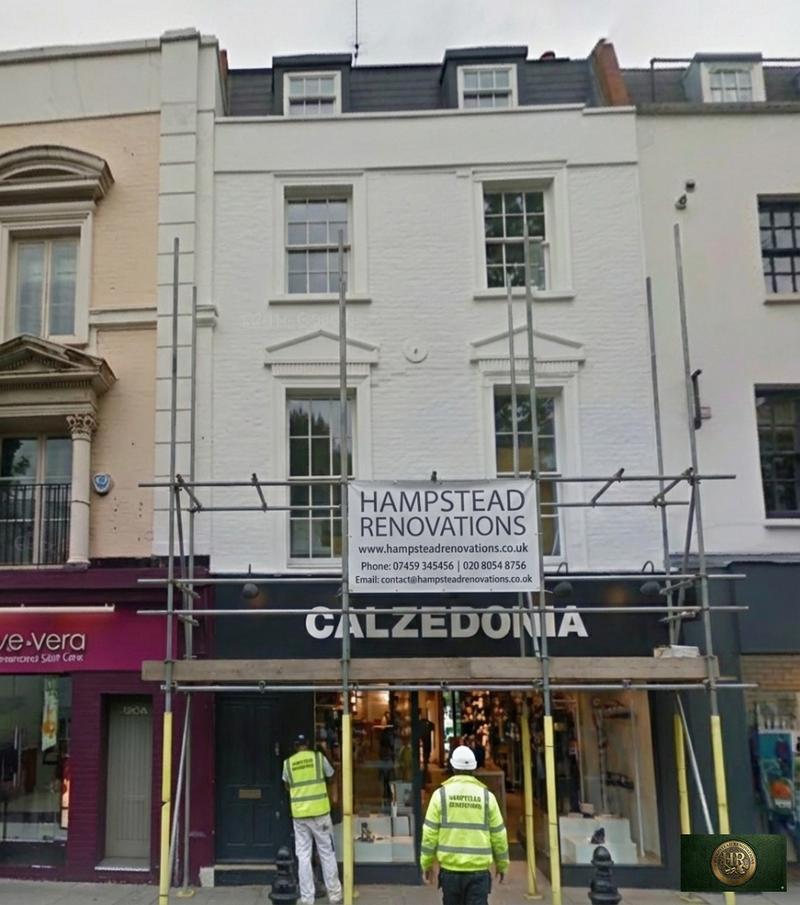
Office-to-retail and residential conversion delivering the Calzedonia store fit-out with three high-spec apartments above, preserving the original façade.
View Case Study →Use these area-specific guide pages to move from broad research into the main build routes people compare in Balham SW12.
Almost certainly yes. Balham's Victorian terraced houses have steeply pitched roofs that are ideal for dormer and mansard loft conversions. Rear dormers are usually possible under permitted development rights without planning permission. Mansard conversions and front dormers typically require a Wandsworth planning application, but approval rates are high for well-designed schemes. Learn more about loft conversions →
Loft conversions in SW12 typically cost £1,500–£2,800 per square metre depending on the type. A standard rear dormer conversion starts around £55,000–£75,000, while a full mansard with en-suite bathroom typically costs £80,000–£120,000. All our projects are delivered on fixed-price contracts with no hidden extras.
In most cases, no. Permitted development rights allow single-storey rear extensions up to 6 metres from the original rear wall (or 8 metres under the prior approval process) for terraced and semi-detached houses outside conservation areas. Within the Heaver Estate or Nightingale Triangle conservation areas, you may need planning permission for certain works. Our architects assess your specific situation at the initial consultation.
Balham has two main conservation areas: the Heaver Estate (covering the streets around Heaver Road and Balham Park Road) and the Nightingale Triangle (around Nightingale Lane). Most of Balham's residential streets fall outside these areas and benefit from full permitted development rights. Check Wandsworth's conservation area maps →
A side-return extension infills the narrow alleyway that runs alongside the rear projection of a Victorian terraced house. It's one of the most cost-effective ways to transform a Balham terrace, creating a significantly wider kitchen and dining area that opens onto the garden. Most side-return extensions in SW12 can be built under permitted development rights.
Timelines vary by project scope. A loft conversion typically takes 8–12 weeks on site. A rear extension with kitchen renovation takes 12–16 weeks. A full house refurbishment including loft conversion and extension can take 20–30 weeks. We provide a detailed programme at contract stage and keep you informed throughout with weekly progress updates.
Our initial consultation is free and carries no obligation. Discuss your Balham project with our RIBA architects, explore design possibilities, and understand what Wandsworth will permit for your property.