Richmond is where London's finest parkland meets centuries of riverside architecture. Our architects understand every conservation area, every protected view, and every detail that makes TW9/TW10 one of the most desirable — and carefully guarded — places to renovate in the capital.
Richmond has been one of London's most sought-after addresses since Henry VII rebuilt the royal palace here in 1501, giving the town its name. What followed — five centuries of careful, prosperous development along Richmond Hill, around Richmond Green, and down to the Thames — produced one of the capital's most architecturally distinguished suburbs: a town of Georgian terraces, handsome Victorian villas, Edwardian family houses, and riverside properties, all set against the extraordinary backdrop of Richmond Park's 2,500 acres and the only view in England protected by an Act of Parliament.
The housing stock reflects Richmond's long history as a place of retreat and refinement. Georgian townhouses line Richmond Hill and The Green — the same terraces that Reynolds, Gainsborough, and later the Bloomsbury set admired for their commanding views across the Thames to Petersham Meadows. Victorian expansion brought substantial villas along Friars Stile Road and The Vineyard, while Edwardian builders added generous detached houses with the gardens that Richmond families prize. Along the river, properties from every era look out across the Thames towpath toward Marble Hill and Ham House.
For homeowners in TW9 and TW10, this heritage creates both extraordinary potential and significant responsibility. The London Borough of Richmond upon Thames is one of the capital's most conservation-minded authorities. Multiple conservation areas — Richmond Hill, Richmond Green, Richmond Riverside, and The Vineyard — impose careful design controls. The protected view from Richmond Hill, established by the Richmond, Ham and Petersham Open Spaces Act of 1902, adds a unique planning constraint found nowhere else in England. Every renovation in Richmond demands specialist knowledge of what the council will permit, and the architectural sensitivity to honour one of London's most celebrated settings.
From Georgian townhouse restoration to sympathetic family extensions, every service shaped by deep knowledge of Richmond's conservation areas and the council's heritage-focused planning requirements.
Richmond's period properties demand specialist care. Sash window restoration, lime render repair, period joinery, and the careful balance between preservation and contemporary living across TW9/TW10.
Complete property transformation from shell to finished home. Structural work, all trades, and project management for Richmond's most ambitious Georgian and Victorian renovation projects.
Rear, side, and wraparound extensions designed to complement Richmond's period architecture. Conservation area expertise for council approval and protected views compliance.
Cellar conversions and new basement excavations for Richmond's Georgian and Victorian properties. Structural engineering and waterproofing for Thames-proximity ground conditions.
Dormer and mansard conversions respecting Richmond's rooflines, conservation area sightlines, and the protected Richmond Hill panorama.
Bespoke kitchen design for Richmond's period homes. Heritage proportions, contemporary performance, and luxury finishes for family living.
Period restoration and contemporary luxury. Marble, natural stone, and bespoke joinery for TW9/TW10 properties.
RIBA architects. Conservation area applications, 3D visualisation, construction drawings for Richmond Council submissions.
Chartered engineers. Wall removal, steel beams, underpinning, and foundations for Richmond's period properties.
The Richmond style — heritage sensitivity with contemporary family living. Material selection, space planning, furniture specification.
Richmond Council planning expertise. Conservation area, listed building, protected views, and Article 4 direction applications.
Grade I, II* and II listed property expertise. Listed Building Consent managed in-house for Richmond's heritage properties.
Garden design and landscaping for Richmond's generous plots. Walled gardens, terracing, and outdoor living spaces sympathetic to period properties.
Full Party Wall Act management through our RICS chartered surveying practice. Essential for Richmond's terraced and semi-detached properties.
RICS condition surveys via Hampstead Chartered Surveyors & Building Consultancy. Pre-purchase and pre-renovation.
Richmond falls under the London Borough of Richmond upon Thames — one of London's most conservation-focused planning authorities. The borough contains multiple conservation areas that cover much of Richmond's historic core, from Richmond Hill's celebrated terraces down to the riverside and across Richmond Green. Article 4 directions in several areas remove permitted development rights, meaning planning permission is required for even minor external alterations to many properties.
The protected view from Richmond Hill is unique in England — the only panorama safeguarded by an Act of Parliament (the Richmond, Ham and Petersham Open Spaces Act 1902). Any development visible within this protected vista faces additional scrutiny. Richmond Council takes heritage extremely seriously, and proposals must demonstrate how they preserve or enhance the character of the area. Our architects have extensive experience navigating Richmond's planning framework and understand precisely what the council requires for approval.
View Richmond Council planning portal →Richmond Hill, Richmond Green, Richmond Riverside, and The Vineyard conservation areas cover the historic core. Character preservation is mandatory for all works.
The Richmond Hill panorama is the only view in England protected by Act of Parliament. Developments visible within this vista face additional planning scrutiny.
Several Richmond streets have Article 4 directions removing permitted development rights. Planning permission required for most external works in these areas.
Richmond Council offers pre-application services. Essential for listed buildings, properties in conservation areas, and schemes visible from the protected view.
Realistic cost ranges for the most common project types in Richmond. Conservation area requirements and heritage-sensitive specification typically add 10–20% to standard London pricing.
Five centuries of Richmond's buildings, residents, and the riverside landscape that shaped one of London's most celebrated suburbs.
How an 18th-century panorama of the Thames became the only view in England safeguarded by an Act of Parliament, and what it means for property owners today.
A guide to the Georgian architectural character that defines Richmond's most important streets, from Richmond Green to the Hill's commanding terraces.
The story of London's largest Royal Park — from Charles I's deer enclosure to today's treasured green space — and its influence on Richmond's property character.
Selected projects from across London.

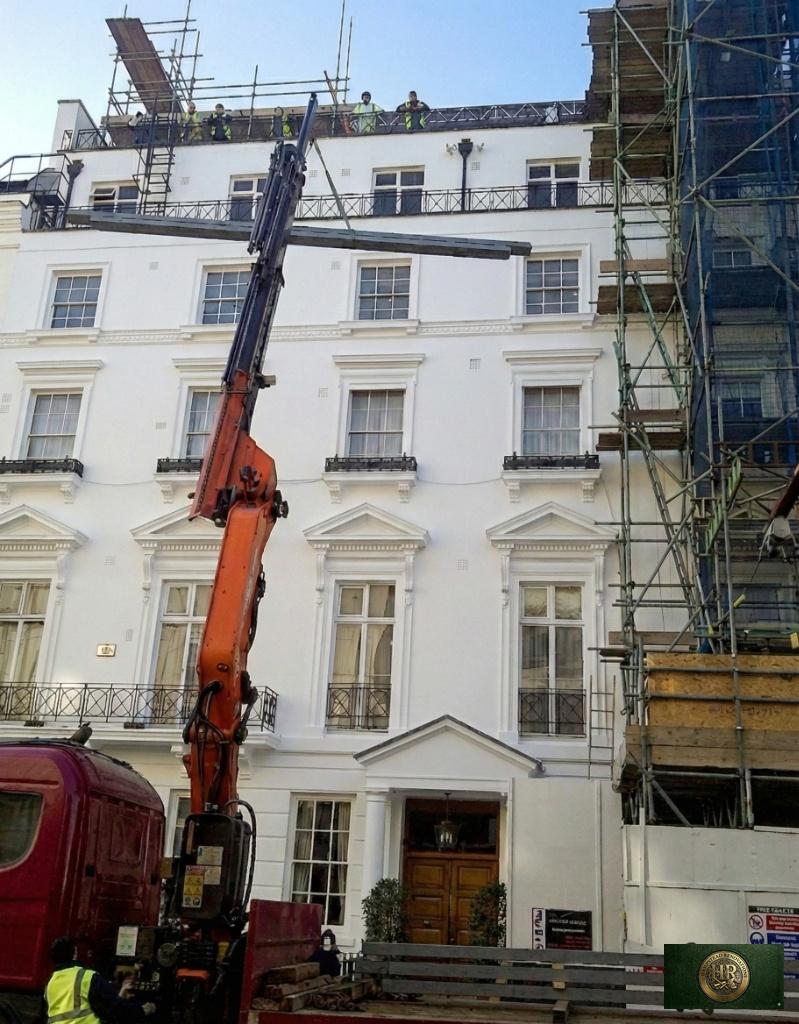
Five-storey house extension, full basement conversion, loft conversion and complete refurbishment within Belsize Park’s conservation area.
View Case Study →
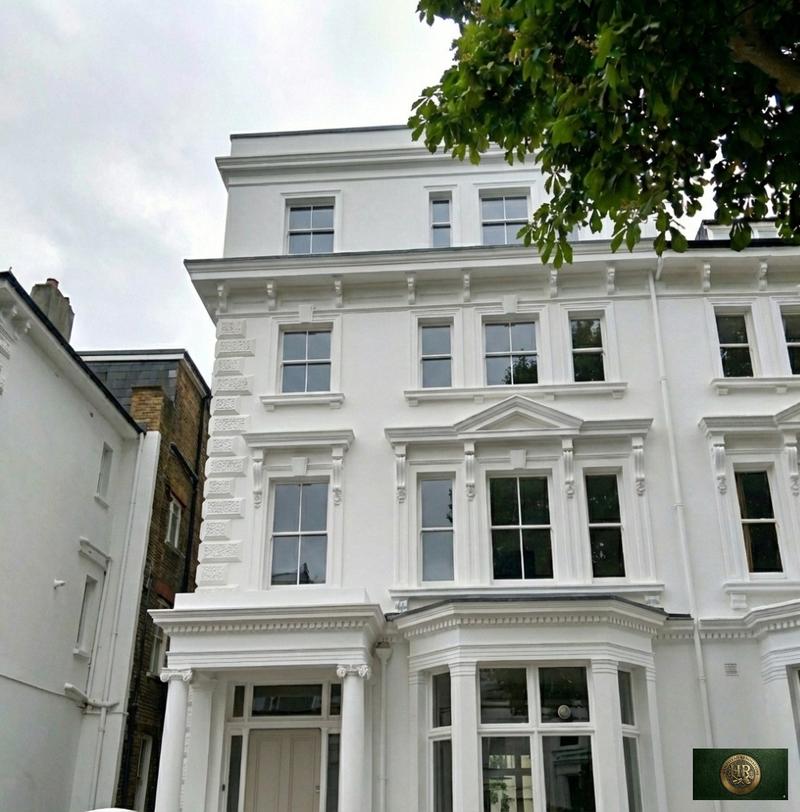
Penthouse duplex refurbishment and roof reconstruction within a Grade II listed setting, unifying the top two levels into seamless luxury living.
View Case Study →
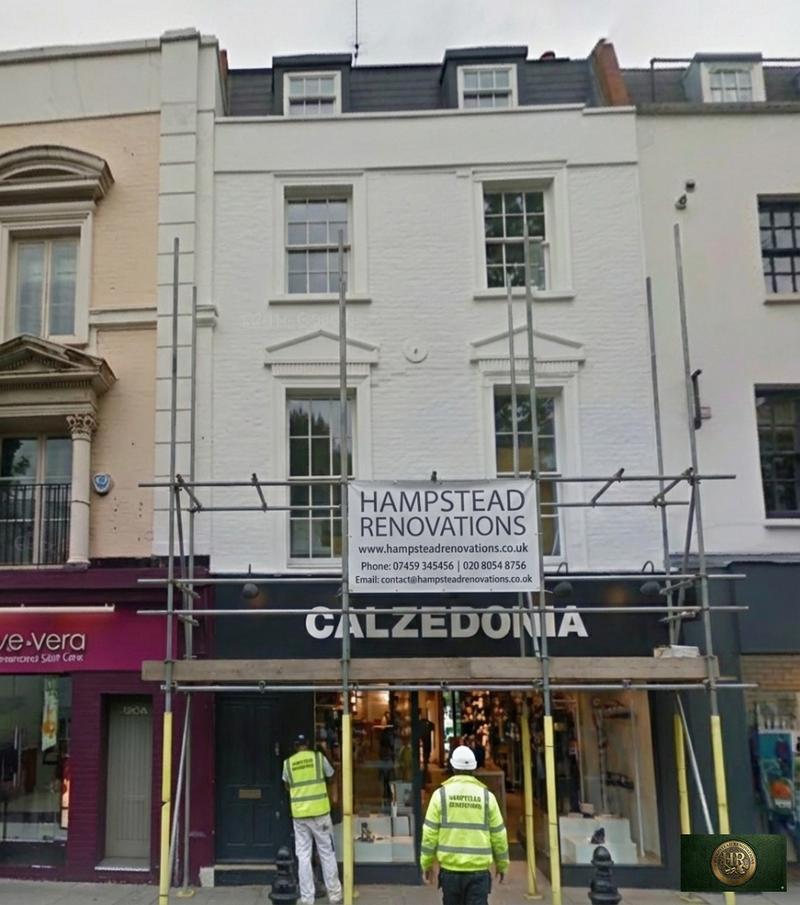
Office-to-retail and residential conversion delivering the Calzedonia store fit-out with three high-spec apartments above, preserving the original façade.
View Case Study →Use these area-specific guide pages to move from broad research into the main build routes people compare in Richmond TW9.
Much of Richmond's historic core falls within conservation areas, including Richmond Hill, Richmond Green, Richmond Riverside, and The Vineyard. Together they cover the most architecturally significant parts of TW9/TW10. Most external works require planning permission and must preserve or enhance the area's character. View Richmond conservation area guidance →
The view from Richmond Hill across the Thames to Petersham Meadows is the only panorama in England protected by an Act of Parliament — the Richmond, Ham and Petersham Open Spaces Act 1902. Any development visible within this vista faces additional planning scrutiny, and proposals must demonstrate they will not harm the protected view. Our architects are experienced in navigating this unique constraint.
Yes, but extensions in conservation areas require careful design that respects the character of the original building and its setting. Richmond Council expects high-quality, sympathetic design — particularly along Richmond Hill and around The Green. Our RIBA architects specialise in designing extensions that win council approval while maximising your living space.
Full refurbishments in Richmond typically cost £450–£900 per square metre, with heritage-sensitive specification and conservation area requirements adding 10–20% to standard London pricing. Extensions range from £2,800–£4,500/sqm. All our projects are delivered on fixed-price contracts with no hidden extras.
Yes. Basement conversions are increasingly popular in Richmond, particularly for Georgian and Victorian properties. Proximity to the Thames means ground conditions require specialist waterproofing and structural engineering. Our chartered engineers have extensive experience with Richmond's specific ground conditions and council requirements.
Yes. Our in-house RIBA architects manage all planning, Listed Building Consent, and conservation area applications from initial feasibility through to approval. We have extensive experience with Richmond Council's planning team and their heritage-focused requirements for TW9/TW10 properties.
Our initial consultation is free and carries no obligation. Discuss your Richmond project with our RIBA architects, explore material selections, and understand what the council will permit for your property.