Hampstead is a Georgian hilltop village that has never quite accepted its absorption into London. Perched above the Heath — 800 acres of ancient heathland rising to 134 metres — the village retains its medieval street pattern, its literary pubs, its mineral springs on Flask Walk, and a concentration of listed buildings that few London neighbourhoods can match.
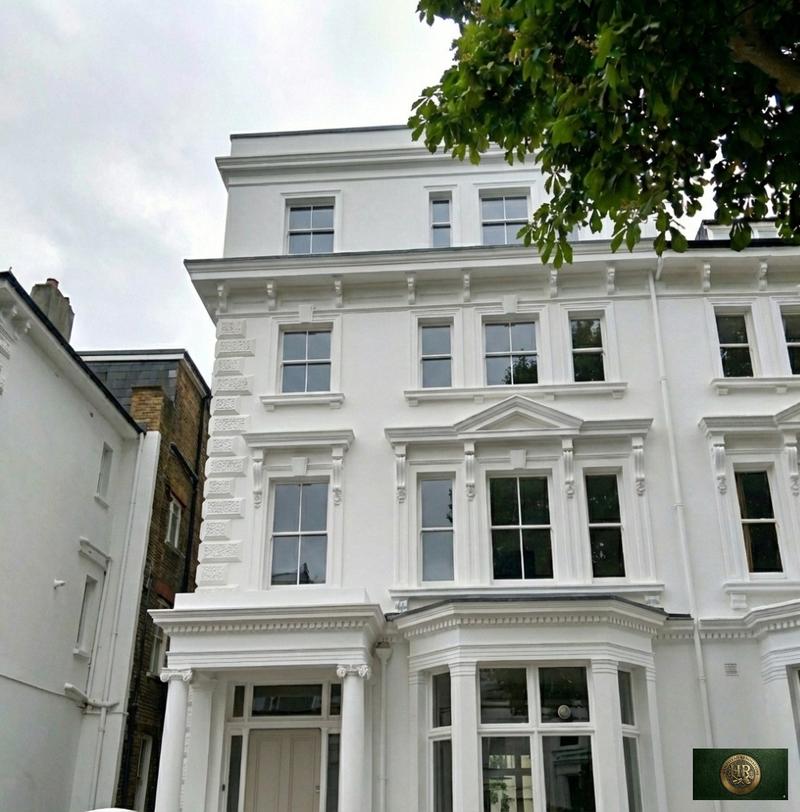
The housing stock spans four centuries with remarkable coherence. Georgian townhouses on Church Row and Holly Walk sit alongside early Victorian villas on Downshire Hill and Keats Grove, Edwardian mansion blocks on the fringes, and a handful of significant twentieth-century interventions including Erno Goldfinger's 2 Willow Road and the Isokon Building on Lawn Road — both Grade I listed monuments to modernist ambition.
For homeowners in NW3, this richness is both an asset and a constraint. The Hampstead Conservation Area — one of the largest in London — means that almost any external alteration requires planning permission and must satisfy Camden's conservation officers. Many properties are individually listed. The proximity of the Heath introduces additional ecological and landscape considerations. Every renovation in Hampstead is, to some degree, a negotiation between what the homeowner wants and what the neighbourhood demands.
That negotiation is what we do. Our design studio is on Finchley Road. Our architects have worked with Camden's planning team on hundreds of applications. We understand the constraints because we live within them.