Parsons Green is where London village life meets serious Victorian architecture. Our architects understand every conservation area boundary, every LBHF planning nuance, and every detail that makes SW6's most sought-after pocket such a rewarding place to renovate.
Parsons Green takes its name from the village green at its heart — a triangular patch of common land that has anchored a community since medieval times, when the local rector's meadow gave the area its name. Today, surrounded by pubs, independent shops, and some of SW6's most desirable streets, the green remains the focal point of a neighbourhood that feels more like a country village than inner London.
The housing stock is overwhelmingly Victorian, with long terraces of handsome bay-fronted houses lining streets like Lettice Street, Ackmar Road, and Peterborough Road. These are the classic Fulham terraces — three or four bedrooms, narrow side returns, original period features, and rear gardens that back onto each other in quiet, leafy blocks. Around the green itself, a scattering of earlier Georgian cottages adds variety, while Edwardian mansion flats appear on the main roads. It is this consistency of scale and period that gives Parsons Green its architectural coherence and its enduring appeal to families.
For homeowners, Parsons Green sits in the London Borough of Hammersmith and Fulham. The council is generally supportive of well-designed residential improvements, but the Parsons Green conservation area imposes additional controls around the green and its immediate surroundings. Side-return extensions — the defining renovation project of this neighbourhood — are usually achievable under permitted development or with a straightforward planning application, but conservation area properties require more careful handling. Our architects know exactly where the boundaries fall and what LBHF expects.
From side-return extensions to loft conversions and basement dig-downs, every service shaped by deep knowledge of Parsons Green's Victorian terraces and LBHF's planning requirements.
The classic Parsons Green project. Opening up the narrow side return to create open-plan kitchen-diners that transform how Victorian terraces live. LBHF permitted development and conservation area expertise.
Dormer and mansard loft conversions adding bedrooms and bathrooms to Parsons Green's Victorian terraces. Respecting rooflines, party walls, and conservation area sightlines throughout SW6.
Complete property transformation from shell to finished home. Structural work, all trades, and project management for Parsons Green's most ambitious terrace house renovations.
Single and double-storey rear extensions to Parsons Green terraces. Conservation area design expertise for LBHF approval.
Cellar conversions and basement dig-downs for Parsons Green's Victorian properties. Structural engineering and waterproofing specialists.
Bespoke kitchen design for Parsons Green's period homes. Heritage proportions, contemporary performance, luxury finishes.
Victorian restoration and contemporary luxury. Natural stone, bespoke joinery, and underfloor heating for SW6 properties.
RIBA architects. Conservation area applications, 3D visualisation, construction drawings for LBHF submissions.
Chartered engineers. Wall removal, steel beams, underpinning, and foundations for Parsons Green's period properties.
The Parsons Green style — period character with family-friendly contemporary living. Material selection, space planning, furniture specification.
LBHF planning expertise. Conservation area, permitted development, and householder application management for SW6.
Sash window repair, cornice restoration, original tiling, and the careful balance between preservation and modern comfort.
Full Party Wall Act management through our RICS chartered surveying practice. Essential for Parsons Green's terraced properties.
Rear garden design integrated with extensions and kitchen-diners. The indoor-outdoor living that defines modern Parsons Green renovation.
RICS condition surveys via Hampstead Chartered Surveyors & Building Consultancy. Pre-purchase and pre-renovation.
Parsons Green falls under the London Borough of Hammersmith and Fulham — a council that is generally supportive of well-designed residential improvements. For the majority of Victorian terraces in the area, side-return extensions, rear extensions, and loft conversions can often be achieved under permitted development rights, without the need for a full planning application. This makes Parsons Green one of the more straightforward areas in which to extend a family home.
The exception is the Parsons Green conservation area, which covers the green itself and the streets immediately surrounding it. Within the conservation area, permitted development rights are more restricted, and planning permission is typically required for extensions, roof alterations, and significant external changes. Our architects know exactly where the conservation area boundaries fall and have extensive experience securing LBHF approvals for sensitive schemes within them.
View LBHF planning portal →The Parsons Green conservation area covers the village green and surrounding streets. Additional planning controls apply to extensions and external alterations.
Outside the conservation area, many Parsons Green extensions qualify under PD rights. Side returns, rear extensions, and loft conversions often proceed without planning.
LBHF permits basement conversions subject to structural assessment, waterproofing, and construction management plans. Party wall agreements essential for terraced homes.
LBHF offers pre-application services for larger or more sensitive schemes. Recommended for conservation area properties and basement proposals in SW6.
Realistic cost ranges for the most common project types in Parsons Green. Conservation area properties may incur additional design and application fees.
The village green, the Victorian terraces, and the community that has made Parsons Green one of Fulham's most enduring neighbourhoods.
How a medieval parson's grazing land became the heart of one of London's most desirable village neighbourhoods, surviving centuries of development around it.
A guide to the architectural character that defines Parsons Green's most important streets — from bay windows and decorative brickwork to original tiling and garden walls.
The story of SW6's most popular renovation project — opening up the narrow side passage to create the light-filled kitchen-diners that define modern family living.
Selected projects from across London.

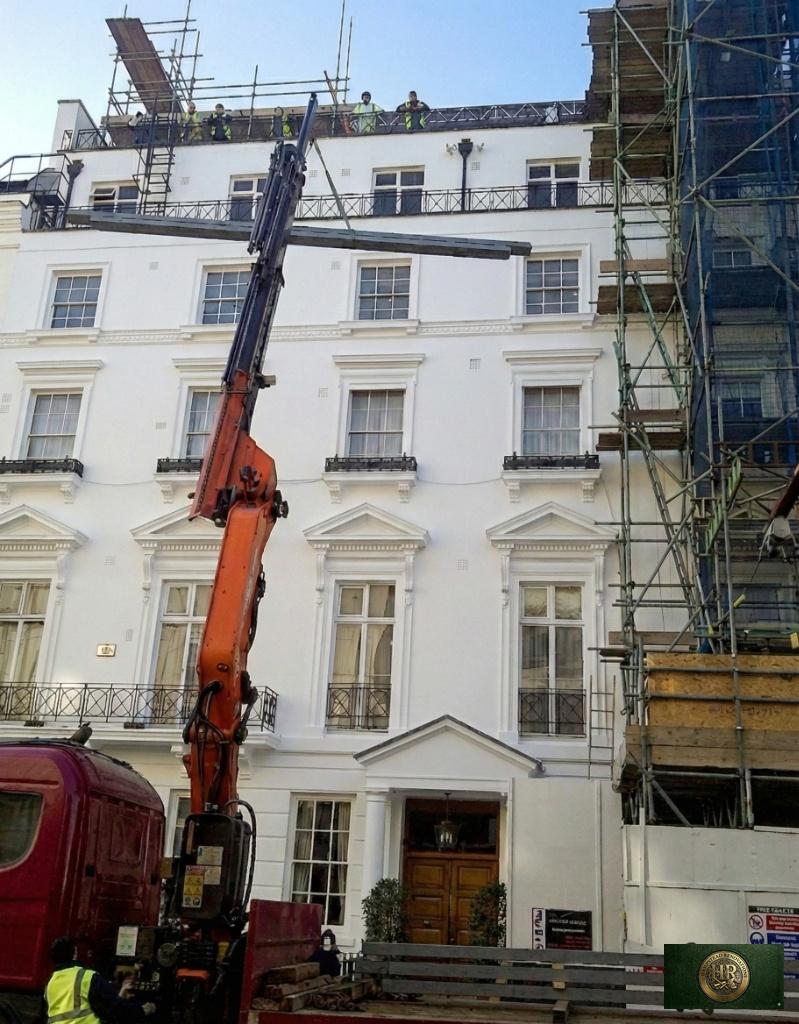
Five-storey house extension, full basement conversion, loft conversion and complete refurbishment within Belsize Park’s conservation area.
View Case Study →
Penthouse duplex refurbishment and roof reconstruction within a Grade II listed setting, unifying the top two levels into seamless luxury living.
View Case Study →
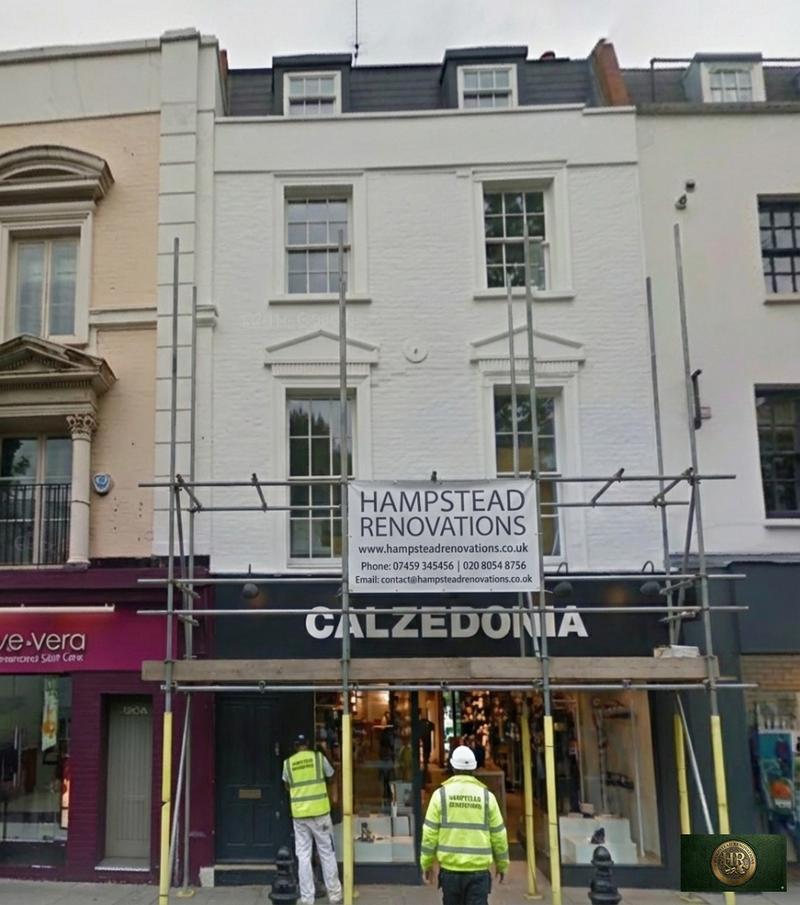
Office-to-retail and residential conversion delivering the Calzedonia store fit-out with three high-spec apartments above, preserving the original façade.
View Case Study →Use these area-specific guide pages to move from broad research into the main build routes people compare in Parsons Green SW6.
Parts of Parsons Green are within the Parsons Green conservation area, which covers the village green and the streets immediately surrounding it. Properties within the conservation area face additional planning controls on extensions, roof alterations, and external changes. Streets further from the green typically fall outside the conservation area. View LBHF conservation area guidance →
Yes — side-return extensions are the most popular renovation project in Parsons Green. Outside the conservation area, many side returns qualify under permitted development rights. Within the conservation area, planning permission is usually required but LBHF is generally supportive of well-designed schemes. Our architects have delivered dozens of Parsons Green side-return projects.
Side-return extensions in SW6 typically cost £2,500–£4,000 per square metre, depending on specification, glazing, and the extent of structural work required. A typical Parsons Green side-return kitchen extension costs £60,000–£120,000 all-in. All our projects are delivered on fixed-price contracts.
Yes. Loft conversions are highly popular in Parsons Green and usually achievable — either under permitted development (outside the conservation area) or with planning permission. Dormer and mansard conversions are both common. Party wall agreements with neighbours are essential for terraced properties.
Yes. Basement conversions are increasingly popular in Parsons Green as homeowners seek to maximise space in Victorian terraces. LBHF requires structural assessments, construction management plans, and party wall agreements. Our engineers have extensive experience with basement projects in SW6's terraced streets.
Yes. Our in-house RIBA architects manage all planning and building control applications from initial feasibility through to approval. We have extensive experience with LBHF's planning team, their conservation area requirements, and permitted development assessments for Parsons Green properties.
Our initial consultation is free and carries no obligation. Discuss your Parsons Green project with our RIBA architects, explore material selections, and understand what LBHF will permit for your property.