Fulham is where London's Victorian terraced housing meets ambitious modern renovation. Our architects understand every conservation area, every LBHF planning nuance, and every detail that makes SW6 one of the most exciting — and rewarding — places to transform a home in London.
Fulham's transformation from market gardens and riverside industry to one of London's most sought-after family neighbourhoods is written in its streets. The Victorian terraces that spread across SW6 from the 1860s onwards — thousands of them, built in London stock brick with bay windows, decorative cornice work, and the characteristic side-return passage — represent one of the finest concentrations of Victorian domestic architecture in the capital.
The neighbourhood divides into distinct villages, each with its own character. Parsons Green, centred on its triangular green, draws families with its village atmosphere and excellent schools. Munster Village, the tight grid of streets around Munster Road, is prized for its intact Victorian streetscapes. The Peterborough Estate offers larger terraces with deeper gardens. Sands End, once Fulham's industrial quarter, has been reborn with riverside new-builds alongside original Victorian housing. And Hurlingham, tucked behind the famous club, combines Edwardian grandeur with leafy seclusion.
For homeowners in SW6, this housing stock creates enormous potential. Fulham's Victorian terraces respond brilliantly to modern renovation: side-return extensions that transform narrow galley kitchens into generous open-plan living spaces, loft conversions that add a master suite, rear extensions that open the house to the garden, and basement conversions that create home offices, gyms, or playrooms beneath. The London Borough of Hammersmith and Fulham is generally supportive of sympathetic extensions, making Fulham one of the most rewarding places to renovate in London.
From Victorian terrace side-return extensions to full house refurbishments, every service shaped by deep knowledge of Fulham's housing stock and LBHF's planning requirements.
Fulham's signature renovation. Infilling the side-return passage to create generous open-plan kitchen-diners that transform how Victorian terraces live — designed and built under one roof.
Dormer and mansard loft conversions adding a master bedroom, en-suite, or home office to Fulham's Victorian and Edwardian terraces. LBHF planning and Party Wall management included.
Full basement dig-downs and cellar conversions beneath Fulham's Victorian terraces. Structural engineering, waterproofing, and LBHF planning for SW6 ground conditions.
Single and double-storey rear extensions opening Fulham's terraces onto their gardens. Conservation area design expertise for LBHF approval.
Complete property transformation from shell to finished home. Structural work, all trades, and project management for Fulham's most ambitious renovations.
Bespoke kitchen design for Fulham's period homes. Open-plan kitchen-diners that are the heart of modern SW6 family living.
Victorian-inspired and contemporary bathrooms. Marble, natural stone, and bespoke joinery for SW6 properties.
RIBA architects. Conservation area applications, 3D visualisation, construction drawings for LBHF submissions.
Chartered engineers. Wall removal, steel beams, underpinning, and foundations for Fulham's period properties.
Knocking through reception rooms, removing chimney breasts, and creating the flowing ground-floor layouts that define modern Fulham living.
LBHF planning expertise. Conservation area, permitted development, and householder application management.
Sash window repair, cornice restoration, original tile path renewal, and the period details that protect Fulham's Victorian character.
Full Party Wall Act management through our RICS chartered surveying practice. Essential for Fulham's terraced properties sharing walls on both sides.
Landscape architecture for Fulham's rear gardens. Seamless indoor-outdoor living through bi-fold doors, raised terraces, and planting schemes.
RICS condition surveys via Hampstead Chartered Surveyors & Building Consultancy. Pre-purchase and pre-renovation assessments.
Fulham falls under the London Borough of Hammersmith and Fulham — a generally moderate planning authority that is broadly supportive of sympathetic residential extensions. Many Fulham terraces retain their permitted development rights, meaning single-storey rear extensions up to 6 metres (for terraced houses) and certain loft conversions can proceed without a full planning application, subject to prior approval.
However, several conservation areas across Fulham — including Walham Green, Crabtree, Hurlingham, and Moore Park — impose additional design controls. Within these areas, permitted development rights may be restricted, and proposals must demonstrate they preserve or enhance the area's character. Our architects have extensive experience with LBHF's conservation officers and understand exactly what the borough will support in each part of SW6.
View LBHF planning portal →Walham Green, Crabtree, Hurlingham and Moore Park conservation areas impose design controls across key parts of Fulham. Character preservation is required.
Many Fulham terraces retain PD rights for single-storey rear extensions and certain loft conversions. Our architects confirm your rights before design work begins.
LBHF permits basement conversions subject to structural assessments, flood risk evaluation, and construction management plans. Specialist engineering essential.
LBHF offers pre-application services. Recommended for conservation area schemes, larger extensions, and basement proposals in SW6.
Realistic cost ranges for the most common project types in Fulham. Victorian terrace renovations in SW6 benefit from relatively standardised layouts, which helps control costs compared to more bespoke property types.
The Victorian terraces, riverside heritage, and village character that make Fulham one of London's most distinctive residential neighbourhoods.
How the arrival of the railway in the 1860s transformed Fulham from rural farmland into thousands of terraced streets that define the neighbourhood today.
A guide to the architectural character of Fulham's Victorian terraces — the proportions, materials, and details that define SW6's streets.
The story behind Fulham's most popular renovation — infilling the side-return passage to create open-plan kitchen-diners that transformed terraced living.
Selected projects from across London.

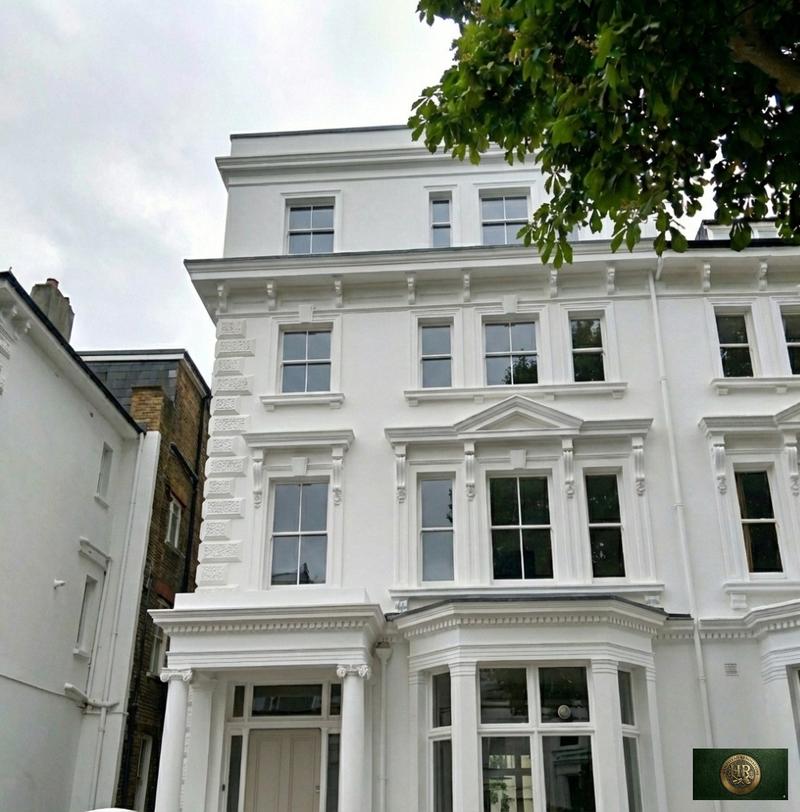
Five-storey house extension, full basement conversion, loft conversion and complete refurbishment within Belsize Park’s conservation area.
View Case Study →
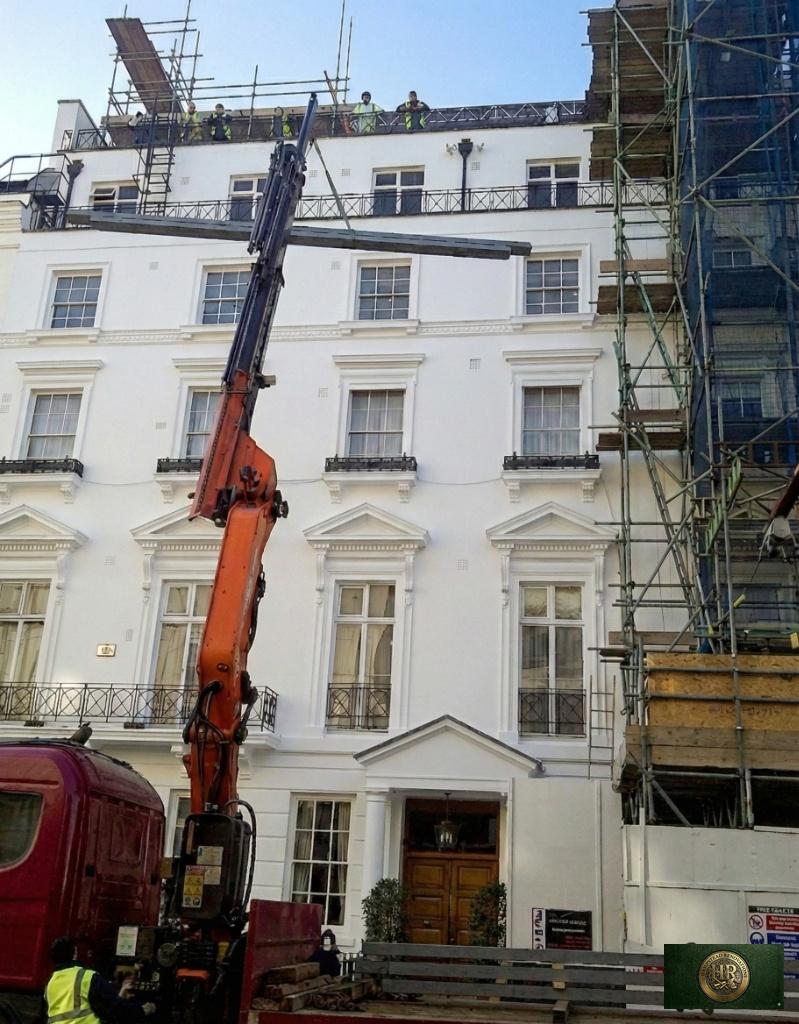
Penthouse duplex refurbishment and roof reconstruction within a Grade II listed setting, unifying the top two levels into seamless luxury living.
View Case Study →
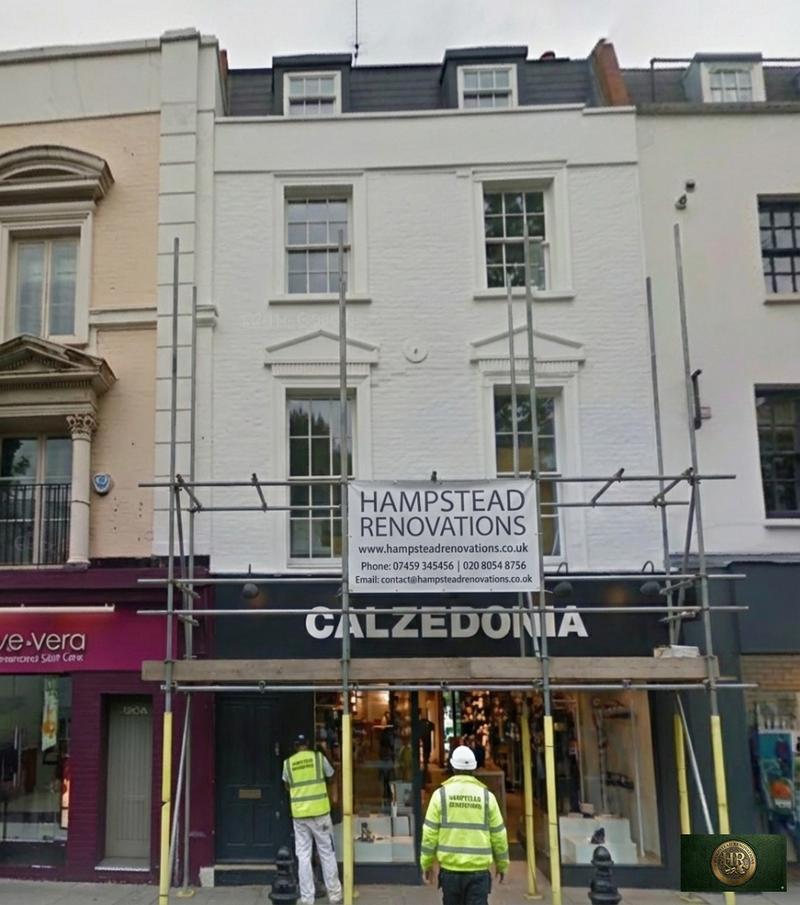
Office-to-retail and residential conversion delivering the Calzedonia store fit-out with three high-spec apartments above, preserving the original façade.
View Case Study →Use these area-specific guide pages to move from broad research into the main build routes people compare in Fulham SW6.
Parts of Fulham fall within conservation areas including Walham Green, Crabtree, Hurlingham, and Moore Park. Within these areas, additional planning controls apply and proposals must preserve or enhance the area's character. Many streets outside conservation areas retain full permitted development rights. View LBHF conservation area guidance →
Yes — side-return extensions are Fulham's most popular renovation. Many terraces can extend into the side-return under permitted development rights without a full planning application, subject to size limits and prior approval. Within conservation areas, a householder planning application is usually required. Our architects confirm your specific rights before design work begins.
Loft conversions in SW6 typically cost £55,000–£120,000 depending on the type (dormer or mansard), the size of the terrace, and the specification. Fulham's Victorian terraces generally have good loft conversion potential with sufficient ridge height for a comfortable room. All our projects are delivered on fixed-price contracts.
Single-storey rear extensions up to 3 metres (6 metres with prior approval for terraced houses) can often proceed under permitted development rights outside conservation areas. Larger or two-storey rear extensions require a householder planning application. Conservation area locations have additional restrictions on materials and design.
Yes. Basement conversions are increasingly popular in Fulham as homeowners seek to maximise space. LBHF requires structural assessments, flood risk evaluation, and construction management plans. Our chartered engineers have extensive experience with Fulham's ground conditions and the structural requirements of underpinning Victorian terraced foundations.
Yes. Our in-house RIBA architects manage all planning applications, permitted development confirmations, and conservation area submissions from initial feasibility through to approval. We have extensive experience with LBHF's planning team and their requirements across all parts of Fulham.
Our initial consultation is free and carries no obligation. Discuss your Fulham project with our RIBA architects, explore design options for your Victorian terrace, and understand what LBHF will permit for your property.