Clapham Junction is where London's best-connected railway hub meets one of south-west London's most desirable family neighbourhoods. Our architects understand Wandsworth's planning framework, every Victorian roof profile, and every detail that makes SW11 one of the most rewarding places to renovate in the capital.
Clapham Junction is, strictly speaking, in Battersea rather than Clapham — a geographical quirk that dates to the arrival of the railways in the 1860s, when the station was named to capitalise on fashionable Clapham's reputation. What followed was a building boom that produced the dense grid of Victorian terraced streets that define the area today: solid, well-proportioned houses built for London's growing middle classes, stretching out from the station in every direction.
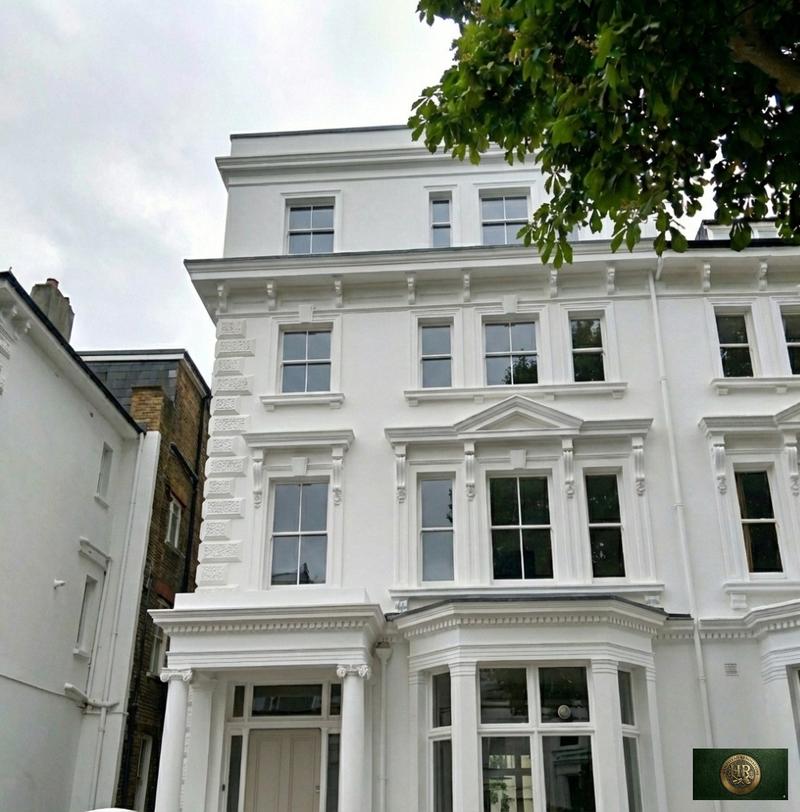
The housing stock is remarkably consistent. Two- and three-storey Victorian terraces predominate, many with original features intact — bay windows, cornicing, encaustic tile paths, and the steeply pitched rooflines that make SW11 one of London's best areas for loft conversions. Interspersed among the terraces are Edwardian mansion flats, smaller railway-era workers' cottages, and the grander houses that line the roads closest to Wandsworth Common.
Northcote Road — the commercial heart of what estate agents christened "Nappy Valley" — has transformed from a traditional high street into one of south-west London's most desirable shopping streets, lined with artisan food shops, independent boutiques, and the daily street market. This family-oriented culture has driven a renovation boom: young families buying Victorian terraces and transforming them with loft conversions, rear extensions, side-return kitchen-diners, and full refurbishments that preserve period character while creating the open-plan living spaces that modern family life demands.
From Victorian loft conversions to full house refurbishments, every service shaped by deep knowledge of SW11's housing stock and Wandsworth Council's planning framework.
Clapham Junction's most popular upgrade. SW11's Victorian terraces have ideal roof profiles for dormer and mansard conversions, adding a master suite or extra bedrooms without losing garden space.
The side-return conversion is the signature Clapham Junction project — transforming narrow galley kitchens into generous kitchen-diners by building into the alley alongside the original outrigger.
Complete transformation of Victorian terraces from cellar to loft. Structural work, rewiring, replumbing, and all finishes — preserving period character while creating contemporary family homes.
Bespoke kitchens for SW11's Victorian terraces. Open-plan kitchen-diners, island layouts, and period-sensitive design.
Victorian-inspired and contemporary bathroom design. En-suites for loft conversions, family bathrooms, and basement WCs.
Cellar conversions and underpins for Clapham Junction's Victorian terraces. Playrooms, home offices, and utility spaces below ground.
Period feature restoration — cornicing, ceiling roses, sash windows, encaustic tiles, and original fireplaces in SW11 properties.
RIBA architects. Planning applications, 3D visualisation, and construction drawings for Wandsworth Council submissions.
Chartered engineers. Wall removal, steel beams, underpinning, and loft structural calculations for SW11's period properties.
The Clapham Junction style — period proportions with contemporary living. Material selection, space planning, and family-friendly finishes.
Wandsworth Council planning expertise. Permitted development, conservation area applications, and building regulations compliance.
The classic SW11 project — infilling the side return to create open-plan kitchen-diners. Often achievable under permitted development.
Draught-proofing, overhaul, and replacement of original sash windows. Slim-profile double glazing for period authenticity with modern performance.
Full Party Wall Act management through our RICS chartered surveying practice. Essential for Clapham Junction's mid-terrace properties.
RICS condition surveys via Hampstead Chartered Surveyors & Building Consultancy. Pre-purchase and pre-renovation for SW11 properties.
Clapham Junction falls under the London Borough of Wandsworth — historically one of London's more permissive planning authorities for residential extensions and alterations. Most of SW11's Victorian terraces benefit from full permitted development (PD) rights, meaning single-storey rear extensions of up to 6 metres (on a terraced house) and loft conversions with rear dormers can often proceed without a formal planning application, subject to prior approval where required.
However, properties within or near the Wandsworth Common conservation area, and parts of the St John's area, face additional design controls. Here, conservation area consent may be required, and the council expects proposals to respect the established Victorian and Edwardian character. Our architects identify all applicable restrictions — PD rights, conservation area boundaries, Article 4 directions — before design work begins, ensuring the fastest and most certain route to approval.
View Wandsworth planning portal →Most SW11 terraces have full PD rights. Single-storey rear extensions, loft conversions with rear dormers, and internal alterations often need no planning application.
Parts of Clapham Junction fall within or adjoin conservation areas. Additional design controls and character assessments apply to visible external works.
Rear dormers on Victorian terraces are generally permitted development in Wandsworth. Mansard conversions and front-facing dormers typically require planning permission.
All structural works, loft conversions, and extensions require Building Regulations approval regardless of planning status. Our team manages the full compliance process.
Realistic cost ranges for the most common project types in Clapham Junction. SW11 offers strong value compared to neighbouring Chelsea and Fulham, with excellent scope for adding value to Victorian terraces.
The railway boom, the rise of Nappy Valley, and the Victorian terraces that made Clapham Junction one of south-west London's most characterful neighbourhoods.
How a junction in Battersea borrowed Clapham's name and sparked a Victorian building boom that produced thousands of terraced houses in a single generation.
Bay windows, slate roofs, and encaustic tile paths — a guide to the architectural details that define Clapham Junction's housing stock and how to preserve them during renovation.
The story of how a traditional south London shopping street became the artisan heart of one of the capital's most sought-after family neighbourhoods.
Selected projects from across London.

Five-storey house extension, full basement conversion, loft conversion and complete refurbishment within Belsize Park’s conservation area.
View Case Study →
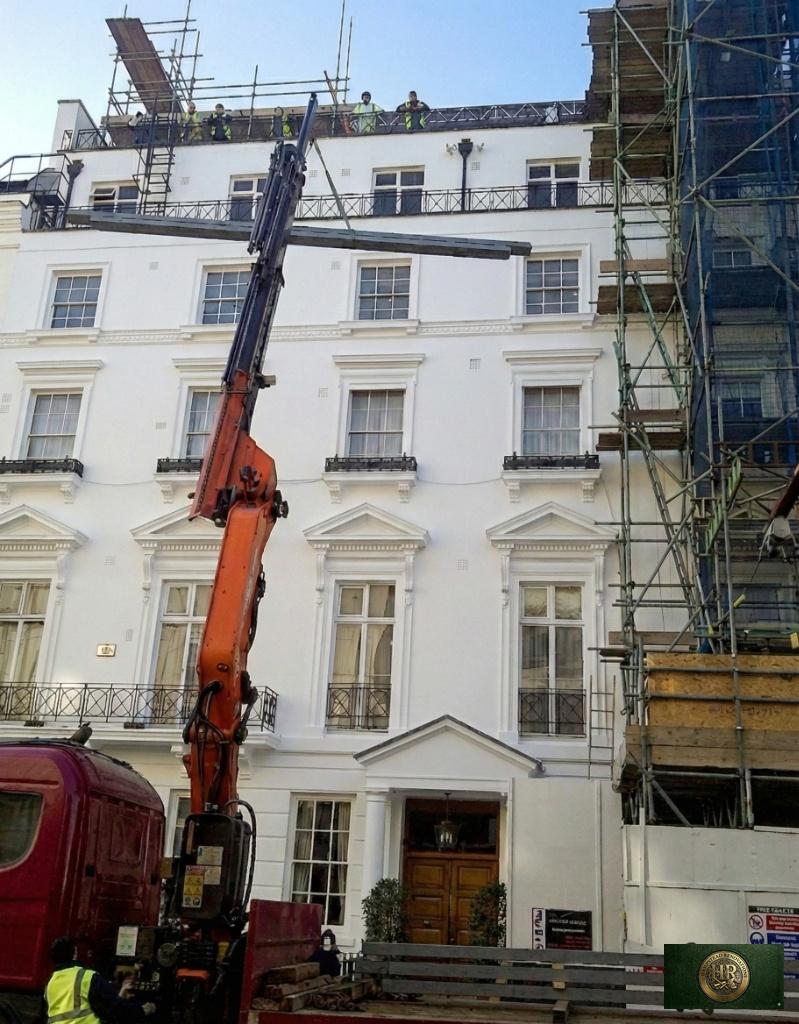
Penthouse duplex refurbishment and roof reconstruction within a Grade II listed setting, unifying the top two levels into seamless luxury living.
View Case Study →
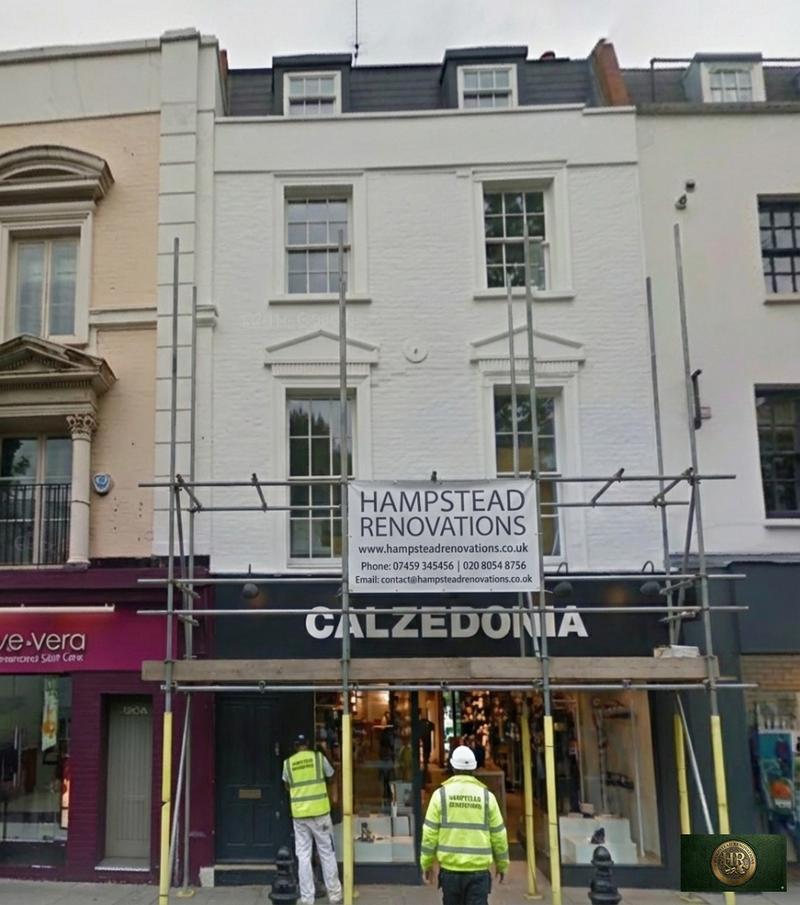
Office-to-retail and residential conversion delivering the Calzedonia store fit-out with three high-spec apartments above, preserving the original façade.
View Case Study →Use these area-specific guide pages to move from broad research into the main build routes people compare in Clapham Junction SW11.
In most cases, yes. The majority of SW11's Victorian terraces have full permitted development rights, allowing rear dormer loft conversions of up to 40 cubic metres (terraced) or 50 cubic metres (semi-detached) without a planning application. Mansard conversions and front dormers typically require planning permission. Our architects confirm PD eligibility before any design work begins. View Wandsworth planning guidance →
Loft conversions in SW11 typically cost £1,800–£3,200 per square metre, depending on the type (rear dormer, L-shaped dormer, or mansard) and specification. A typical dormer loft conversion adding a master bedroom with en-suite costs £55,000–£85,000. All our projects are delivered on fixed-price contracts with no hidden extras.
A side-return extension infills the narrow alleyway alongside the rear outrigger of a Victorian terrace — the classic "L-shaped" footprint of most Clapham Junction houses. This typically adds 8–15 square metres to the ground floor, transforming a narrow galley kitchen into an open-plan kitchen-diner. Many side-return extensions in SW11 can be done under permitted development.
Parts of Clapham Junction fall within or adjoin conservation areas, including the Wandsworth Common conservation area and parts of the St John's area. Properties in these zones face additional design controls on external alterations. However, the majority of SW11's residential streets sit outside conservation areas and benefit from full permitted development rights.
Almost certainly. Clapham Junction's Victorian terraces share party walls with adjoining properties. Any structural work within 3 metres of a party wall, or any work directly to a party wall (such as inserting steel beams for a loft conversion), requires a Party Wall Act notice and agreement. Our RICS practice manages the entire process.
A loft conversion typically takes 8–12 weeks on site. A side-return extension takes 10–14 weeks. A full house refurbishment with loft and extension takes 16–24 weeks depending on scope. We provide detailed programme schedules before work begins and manage all trades in-house to maintain momentum.
Our initial consultation is free and carries no obligation. Discuss your Clapham Junction project with our RIBA architects, explore design options for your Victorian terrace, and understand what Wandsworth Council will permit for your property.