Barnes is London's best-kept village secret — a place of Georgian cottages, Victorian terraces, and Edwardian villas gathered around a green and a duck pond, with the Thames curving quietly alongside. Our architects understand every conservation area, every Richmond Council requirement, and every detail that makes SW13 one of the most rewarding places to renovate in London.
Barnes has the rare quality of feeling like a proper English village while sitting barely five miles from central London. The duck pond on Barnes Green, the weatherboarded cottages along Church Road, the common stretching from the High Street to the Wetland Centre — it is a place that has resisted the pressures of metropolitan development more successfully than almost anywhere else in the capital.
The housing stock reflects centuries of organic growth. Georgian cottages cluster around the Green and along the riverside, many dating from the eighteenth century when Barnes was a fashionable retreat from the city. Victorian terraces line the streets between the railway and the common, their proportions generous, their detailing well preserved. Edwardian villas — particularly along Castelnau and the avenues leading towards Hammersmith Bridge — added a more expansive domestic architecture at the turn of the twentieth century. And along The Terrace, a remarkable row of riverside houses offers some of the finest Thames-side living in London, with views across to Chiswick and the Wetland Centre beyond.
For homeowners in SW13, this architectural heritage creates both a privilege and a responsibility. Three conservation areas — Barnes Green, Barnes Common, and Castelnau — cover much of the village, and Richmond Council takes its conservation duties seriously. Period property refurbishments must respect original proportions and materials. Rear extensions need sensitive design that complements the existing building. Even loft conversions require careful thought about rooflines and streetscape impact. Every renovation in Barnes demands an understanding of what Richmond will permit, and the skill to make the result feel as though it has always been there.
From Georgian cottage restoration to contemporary rear extensions with garden views, every service shaped by deep knowledge of Barnes's conservation areas and Richmond Council's planning requirements.
Barnes's most sought-after service. Complete period property refurbishments that honour original character while delivering contemporary comfort — from Georgian cottages on the Green to Edwardian villas along Castelnau.
Garden-facing extensions designed for Barnes's period terraces and villas. Sensitive designs that bring light and space while satisfying Richmond Council's conservation area requirements.
Dormer and mansard conversions for Barnes's Victorian terraces and Edwardian villas, designed to respect rooflines and conservation area sightlines while adding valuable living space.
Cellar conversions and new basements for Barnes's riverside and period properties, with specialist waterproofing and structural engineering.
Bespoke kitchen design for Barnes's period homes. Heritage proportions, contemporary performance, luxury finishes.
Period-sensitive and contemporary luxury. Natural stone, bespoke joinery, and underfloor heating for SW13 properties.
Specialist restoration of Barnes's Georgian cottages, Victorian details, and Edwardian craftsmanship. Period-appropriate materials throughout.
RIBA architects. Conservation area applications, 3D visualisation, construction drawings for Richmond Council submissions.
Chartered engineers. Wall removal, steel beams, underpinning, and foundations for Barnes's period properties and riverside homes.
The Barnes style — village elegance with contemporary living. Material selection, space planning, furniture specification.
Richmond Council planning expertise. Conservation area, permitted development, and householder application management.
Specialist sash window repair and draught-proofing for Barnes's period properties. Slim-profile double glazing where conservation rules allow.
Rear garden design to complement Barnes extensions. Terracing, planting, and integration with new rear additions.
Full Party Wall Act management through our RICS chartered surveying practice. Essential for Barnes's terraced properties.
RICS condition surveys via Hampstead Chartered Surveyors & Building Consultancy. Pre-purchase and pre-renovation.
Barnes falls under the London Borough of Richmond upon Thames — a council that takes conservation seriously but is generally reasonable with well-designed proposals. Three conservation areas cover much of the village: Barnes Green (protecting the historic village core around the pond and Church Road), Barnes Common (covering the streets around the common and railway), and Castelnau (the grand avenue of Victorian and Edwardian houses leading towards Hammersmith Bridge).
Richmond Council expects new work to respect the existing character of the area. Rear extensions are generally supported where they are subordinate to the original building, use sympathetic materials, and do not harm neighbours' amenity. Loft conversions can be achieved under permitted development in some cases, though conservation area restrictions may require a planning application. For riverside properties, flood risk assessments are typically needed, and the Environment Agency may need to be consulted. Our architects understand Richmond's expectations and design to achieve approval first time.
View Richmond Council planning portal →Barnes Green, Barnes Common and Castelnau conservation areas cover much of Barnes. Character preservation is required for all visible works.
Some PD rights apply in Barnes but are restricted in conservation areas. Rear extensions under PD are possible for some properties outside the protected zones.
Riverside properties along The Terrace and near the Thames may require flood risk assessments. Environment Agency consultation for properties in Flood Zone 2 or 3.
Richmond Council offers pre-application services. Recommended for larger extensions, loft conversions in conservation areas, and riverside property works.
Realistic cost ranges for the most common project types in Barnes. Conservation area requirements and the quality expectations of SW13 homeowners are reflected in the pricing.
A Thames-side village with centuries of architectural character, from Georgian cottages to Edwardian grandeur and the legacy of Olympic Studios.
How a medieval village green, a duck pond, and a cluster of Georgian cottages survived the centuries to create one of London's most distinctive neighbourhoods.
A guide to Barnes's most coveted address — the riverside houses that look across to Chiswick and the Wetland Centre, and the architectural story they tell.
The story of the legendary recording studio where Hendrix, the Beatles, and Led Zeppelin recorded — and how Barnes's creative heritage shapes the neighbourhood today.
Selected projects from across London.

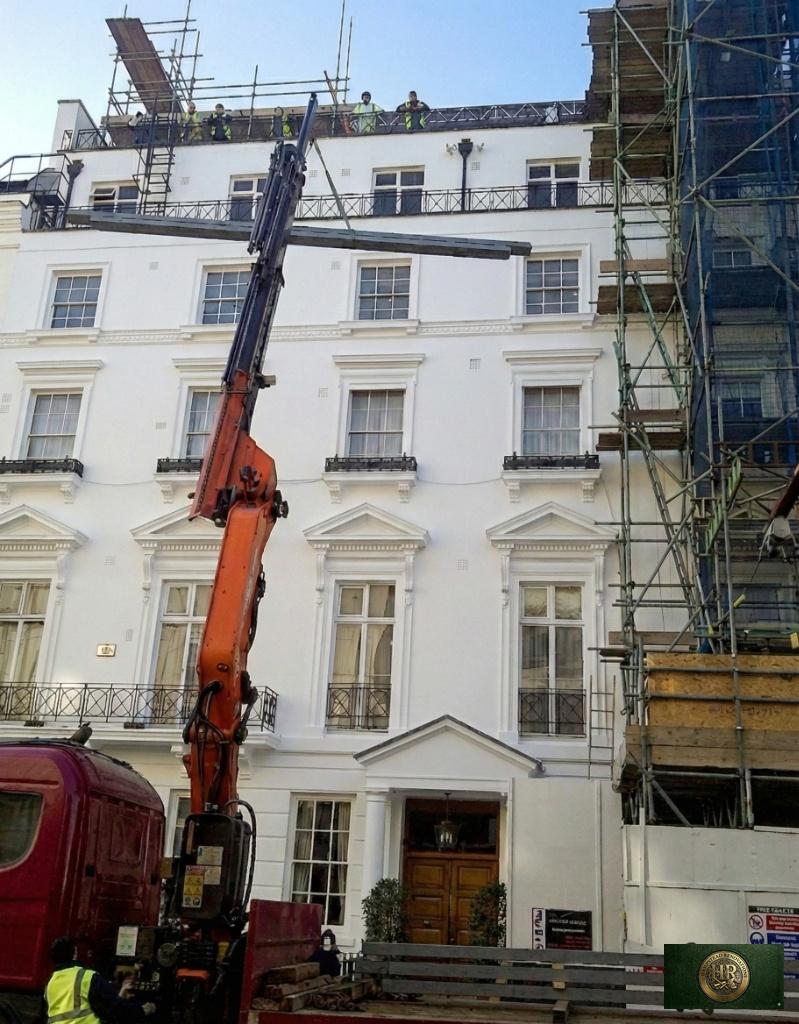
Five-storey house extension, full basement conversion, loft conversion and complete refurbishment within Belsize Park’s conservation area.
View Case Study →
Penthouse duplex refurbishment and roof reconstruction within a Grade II listed setting, unifying the top two levels into seamless luxury living.
View Case Study →
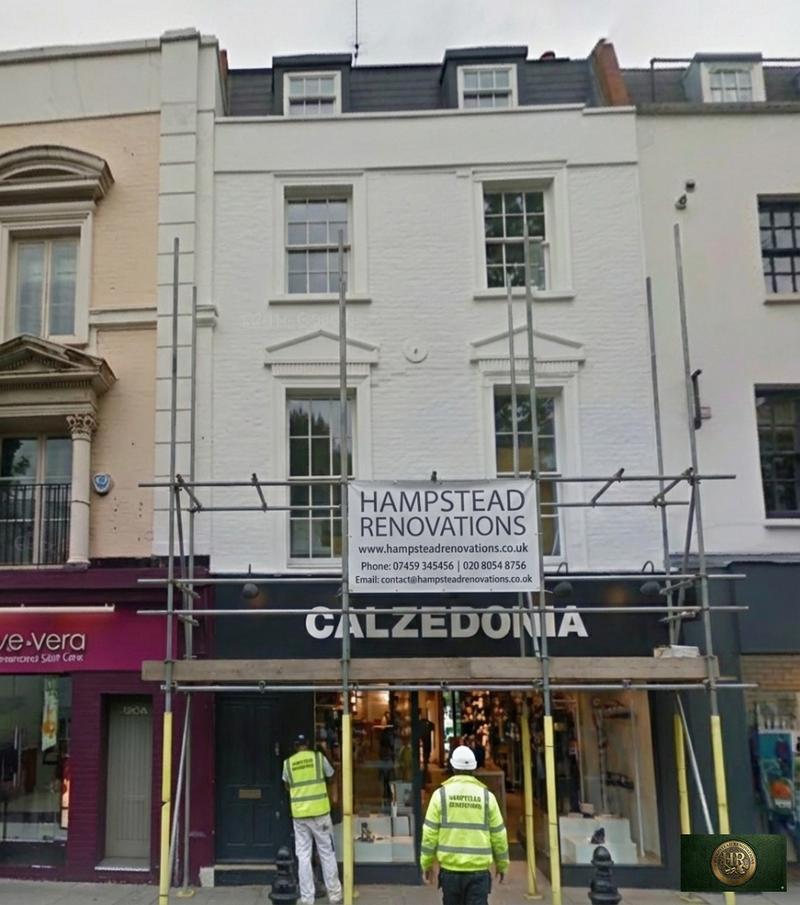
Office-to-retail and residential conversion delivering the Calzedonia store fit-out with three high-spec apartments above, preserving the original façade.
View Case Study →Use these area-specific guide pages to move from broad research into the main build routes people compare in Barnes SW13.
Much of Barnes is covered by three conservation areas: Barnes Green, Barnes Common, and Castelnau. These protect the village character and require planning permission for most external alterations, including changes to windows, rooflines, and front elevations. View Richmond conservation area guidance →
Yes. Rear extensions are one of the most popular projects in Barnes, particularly for Victorian terraces and Edwardian villas. In conservation areas, planning permission is typically required, and the design must be subordinate to the original property and use sympathetic materials. Our architects design to achieve Richmond Council approval first time.
A full refurbishment in Barnes typically costs £500–£900 per square metre, depending on the scope and specification. Rear extensions range from £2,800–£4,500 per square metre. Conservation area requirements and Barnes's high specification expectations are reflected in the pricing. All our projects are delivered on fixed-price contracts.
In many cases, yes. Victorian terraces and Edwardian villas in Barnes often have loft conversion potential. Outside conservation areas, some loft conversions can proceed under permitted development. Within conservation areas, a planning application is likely required. Our architects assess each property individually and design roofline solutions that Richmond Council will support.
Properties along The Terrace and near the Thames may fall within Flood Zone 2 or 3. A flood risk assessment is typically required for planning applications, and the Environment Agency may need to be consulted. Basement conversions for riverside properties require specialist waterproofing. Our engineers have experience with Thames-side structural and flood mitigation works.
Yes. Our in-house RIBA architects manage all planning applications, conservation area consents, and householder applications from initial feasibility through to approval. We have extensive experience with Richmond Council's planning team and their conservation area requirements across Barnes.
Our initial consultation is free and carries no obligation. Discuss your Barnes project with our RIBA architects, explore material selections, and understand what Richmond Council will permit for your property.