St John's Wood is London's original garden suburb — a neighbourhood of detached and semi-detached stucco villas set back from wide, tree-lined avenues, with Regent's Park on its eastern border and Lord's Cricket Ground at its heart. From our Finchley Road studio — just minutes from NW8 — our architects specialise in the large-scale villa renovations, planning-compliant basement conversions, and ultra-premium refurbishments that define this exclusive corner of Westminster.
St John's Wood was London's first garden suburb — pioneered in the 1820s with a radical concept: individual detached villas set in their own grounds, rather than the terraced rows that dominated Georgian London. The result is a neighbourhood of generously proportioned stucco-fronted houses on wide avenues — Hamilton Terrace, Marlborough Place, Carlton Hill, and Acacia Road — that retain a spaciousness and grandeur few London areas can match.
The housing stock is defined by Victorian and Edwardian stucco grandeur, but St John's Wood has also become synonymous with modern London's mega-basement phenomenon. The area's detached villas — many with substantial gardens and driveways — are ideal candidates for large-scale subterranean extensions. Multi-storey basements with swimming pools, cinemas, gyms, and staff quarters are common in NW8, though Westminster's Single Storey Basement Policy now limits most new excavations to a single basement level.
For homeowners in NW8, the renovation landscape is shaped by Westminster City Council's planning regime, the St John's Wood Conservation Area, and the area's unique position as one of London's most expensive residential postcodes. Westminster has some of the most stringent basement policies in London — the 'single storey plus lightwell' rule, the 50% garden retention requirement, and construction management plans are all mandatory. Our architects navigate these requirements daily and have a proven track record of Westminster approvals.
That negotiation is what we do. Our design studio is on Finchley Road. Our architects have worked with Camden's planning team on hundreds of applications. We understand the constraints because we live within them.
From mega-basement excavations to detached villa extensions, every service shaped by our deep knowledge of Westminster's basement policies and conservation area constraints.
Single and multi-storey basement excavations beneath St John's Wood villas. Swimming pools, cinemas, gyms, wine cellars, and staff quarters. Full compliance with Westminster's Single Storey Basement Policy and 50% garden rule.
Rear, side, and wraparound extensions to St John's Wood's detached and semi-detached stucco villas. Conservation area design expertise, structural glazing, and designs Westminster will approve.
Complete villa transformation to international luxury standards. Natural stone, bespoke metalwork, smart home integration, premium kitchens and bathrooms. Finishes that match the grandeur of St John's Wood's finest properties.
Basement swimming pools with full filtration, ventilation, and structural engineering. The most popular mega-basement feature in NW8.
Mansard and dormer loft conversions respecting St John's Wood's conservation area rooflines and Westminster's design policies.
Hand-crafted kitchens for villa proportions. Large island layouts, integrated appliances, and finishes that complement stucco-era interiors.
Natural stone, walk-in rain showers, freestanding statement baths, and heated floors for ultra-premium villa bathrooms.
RIBA architects. Conservation area applications, 3D visualisation, construction drawings.
Chartered engineers specialising in basement excavation, underpinning, and structural modifications to St John's Wood's London clay subsoil.
Period-appropriate schemes. Material selection, space planning, furniture specification.
Westminster planning expertise. Single Storey Basement Policy, conservation area constraints, and construction management plans.
Grade I, II* and II listed property expertise. Listed Building Consent managed in-house.
Specialist renovation and restoration of St John's Wood's detached stucco villas and period mansion blocks.
Full Party Wall Act management through our RICS chartered surveying practice.
RICS condition surveys via Hampstead Chartered Surveyors & Building Consultancy.
St John's Wood falls under the City of Westminster. The St John's Wood Conservation Area is one of the largest in London and covers virtually the entire village, protects the area's distinctive villa character and tree-lined avenues. Westminster applies the most stringent basement policies in London.
Many St John's Wood properties are Grade II listed, and the wider conservation area status means even unlisted properties require planning permission for most external alterations. Westminster also requires detailed Construction Management Plans for basement excavations — covering noise, vibration, traffic, and neighbour notification. Our architects have extensive experience navigating Westminster's complex basement and conservation area requirements.
View Westminster planning portal →St John's Wood Conservation Area protects the villa character and mature tree-lined avenues. Design standards are rigorously enforced.
Westminster limits most new basements to a single storey plus lightwell. Multi-storey basement applications face significant scrutiny and are often refused.
Basements must not extend beneath more than 50% of the garden. Westminster requires detailed landscaping plans to ensure gardens remain viable after construction.
Westminster offers pre-application services. Essential for basement proposals, villa extensions, and listed building alterations in NW8.
Realistic cost ranges for the most common project types in St John's Wood. Heritage and conservation requirements typically add 10–20% to standard London pricing.
London's first garden suburb, its detached villas, and the cultural icons who called NW8 home.
How the Eyre Estate's 1820s masterplan created London's first neighbourhood of individual detached houses — and changed suburban living forever.
From the Beatles' famous zebra crossing to the Home of Cricket — the iconic institutions that give St John's Wood its unique cultural identity.
The story of how NW8's detached villas spawned London's multi-storey basement trend — and why Westminster introduced the Single Storey Policy.
Selected projects from across London.

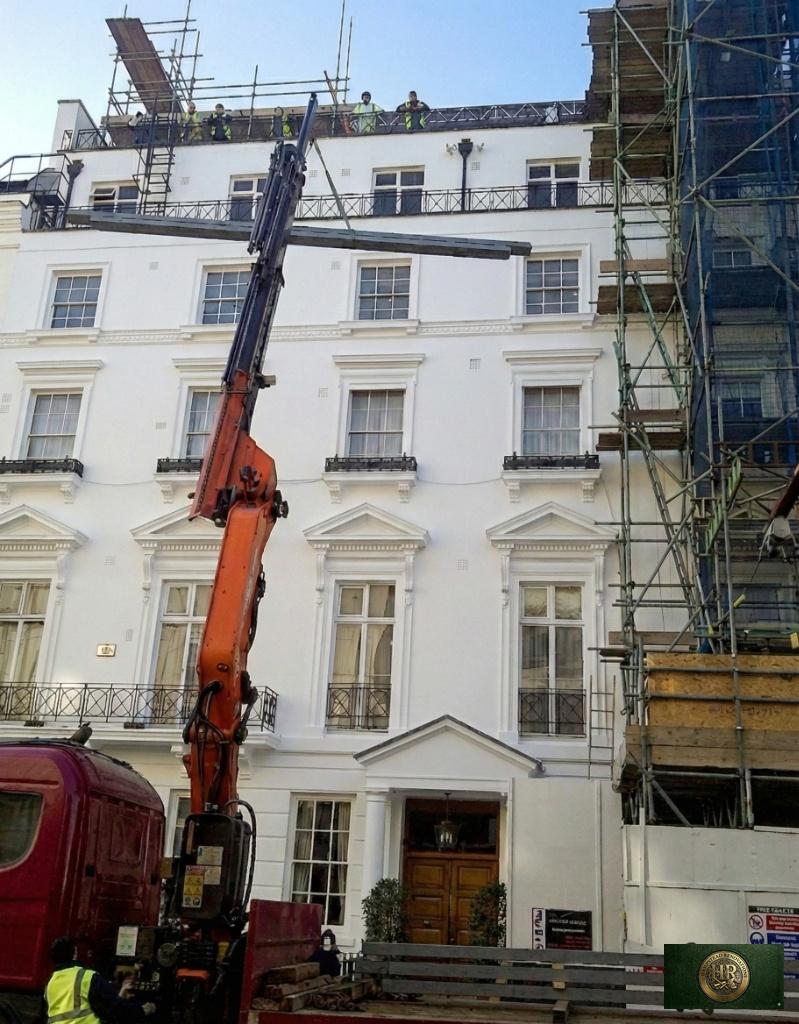
Five-storey house extension, full basement conversion, loft conversion and complete refurbishment within Belsize Park’s conservation area.
View Case Study →
Penthouse duplex refurbishment and roof reconstruction within a Grade II listed setting, unifying the top two levels into seamless luxury living.
View Case Study →
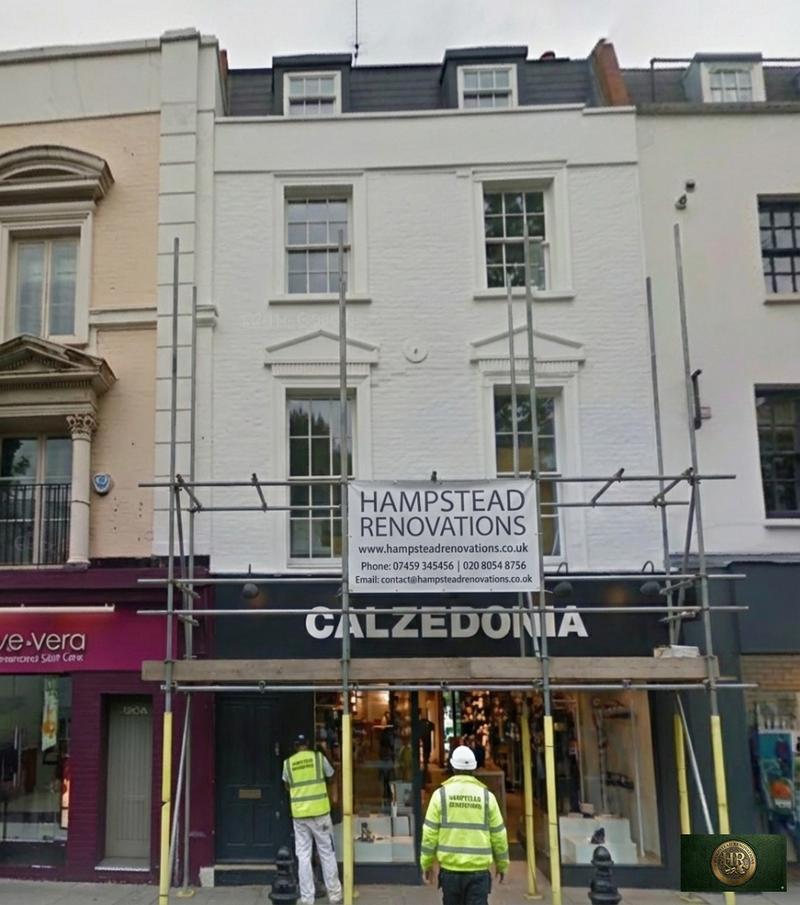
Office-to-retail and residential conversion delivering the Calzedonia store fit-out with three high-spec apartments above, preserving the original façade.
View Case Study →Use these area-specific guide pages to move from broad research into the main build routes people compare in St John's Wood NW8.
Yes, subject to Westminster's Single Storey Basement Policy. Most new basements are limited to a single storey plus lightwell. The basement must not extend beneath more than 50% of the garden. Multi-storey basements are very rarely approved for new applications. Our architects have secured numerous Westminster basement approvals and understand exactly what the council will accept.
Yes — swimming pools are one of the most common basement features in St John's Wood. Pool installations require careful consideration of ventilation, humidity control, structural loading, and waterproofing. Typical costs start from £80,000 for a basic lap pool. Our structural engineers and pool specialists work together to deliver turnkey installations within the basement excavation.
St John's Wood sits at the ultra-premium end of the London market. Basement conversions typically cost £4,000–£7,000 per square metre (add £80k+ for a swimming pool). Villa refurbishments range from £1,000–£2,000 per square metre. Rear extensions cost £3,000–£5,000 per square metre. Westminster's conservation area requirements and the complexity of period villa construction add approximately 15–25% to standard London pricing. All projects delivered on fixed-price contracts.
Plan for 18–24 months from initial design to completion for a single-storey basement. The planning and approval phase typically takes 4–6 months. Excavation and construction takes 12–18 months depending on the size and complexity of the project. Multi-storey basements (where pre-existing permission allows) can take 24–36 months.
Westminster requires a detailed Construction Management Plan (CMP) for all basement excavations. The CMP covers working hours, noise and vibration limits, traffic management, neighbour notifications, and environmental controls. Failure to comply can result in enforcement action. Our project managers prepare and administer CMPs as a standard part of every basement project.
Yes. Our in-house RIBA architects manage all Westminster planning, Listed Building Consent, and basement-specific applications. We prepare Construction Management Plans, tree protection plans, and structural method statements as standard. We have extensive experience with Westminster's planning committee and their conservation area requirements.
Our initial consultation is free and carries no obligation. Visit our design studio on Finchley Road to explore material selections, meet our team, and discuss your project in person.