Highbury is one of North London's most elegant residential areas — a neighbourhood defined by the graceful Georgian crescents around Highbury Fields and the substantial Victorian terraces that radiate from them. Under the London Borough of Islington — one of the most conservation-minded authorities in London — our architects specialise in the sensitive renovation of Highbury's period properties within some of the strictest planning controls in the capital.
Highbury's character was established in the early 19th century when speculative developers created the elegant crescents and terraces around Highbury Fields — one of London's oldest public parks. The Georgian townhouses of Highbury Place, Highbury Crescent, and Highbury Terrace set the architectural tone, followed by substantial Victorian terraces on the surrounding streets that expanded the neighbourhood through the 1860s–1890s.
The housing stock spans Georgian to late Victorian, with the Georgian properties around the Fields being the most historically significant. The Victorian terraces — typically three-storey plus basement, with bay windows and original railings — offer generous family-sized accommodation. Many properties retain original features: shutters, ceiling roses, fireplaces, and encaustic floor tiles. The mix of Georgian elegance and Victorian solidity gives Highbury an architectural richness that few London neighbourhoods can match.
For homeowners in N5, the planning landscape is governed by the London Borough of Islington — arguably the most conservation-focused authority in London. Multiple conservation areas cover Highbury, and Islington applies extremely rigorous design standards. Georgian properties may be individually listed. The council's Supplementary Planning Documents provide detailed guidance on everything from window design to extension materials. Our architects navigate these demanding standards with expertise and care.
That negotiation is what we do. Our design studio is on Finchley Road. Our architects have worked with Islington's planning team on hundreds of applications. We understand the constraints because we live within them.
From Georgian heritage restoration to Victorian terrace extensions, every service shaped by our deep knowledge of Islington's exacting planning standards and Highbury's period architecture.
Rear and side-return extensions to Highbury's Victorian terraces and Georgian townhouses. Conservation area-sensitive designs that Islington will approve — our architects know their exacting standards intimately.
Specialist restoration of Highbury's Georgian townhouses. Sash window overhaul, shuttering restoration, lime plastering, and period-appropriate finishes that satisfy both Islington's conservation officers and Listed Building Consent requirements.
Complete property transformation — from Georgian townhouse to Victorian terrace. Structural work, all trades, and expert project management for Highbury's most ambitious renovations.
Rear dormer and mansard conversions for Highbury's Victorian terraces. Islington applies strict roofline controls — our architects design within these constraints.
Lowering existing Georgian and Victorian cellars to full standing height, or excavating new basements. Underpinning, waterproofing, and lightwell design for Highbury's clay subsoils.
Bespoke kitchen design for period homes. Heritage proportions, contemporary performance.
Victorian restoration and contemporary luxury. Marble, stone, and bespoke joinery.
RIBA architects. Conservation area applications, 3D visualisation, construction drawings.
Chartered engineers. Wall removal, steel beams, underpinning, and foundations in N5.
Period-appropriate schemes. Material selection, space planning, furniture specification.
Islington planning expertise. Conservation area submissions, Listed Building Consent, and Islington's exacting design standards.
Grade I, II* and II listed property expertise. Listed Building Consent managed in-house.
Specialist renovation of Highbury's Georgian townhouses, Victorian terraces, and period family homes.
Full Party Wall Act management through our RICS chartered surveying practice.
RICS condition surveys via Hampstead Chartered Surveyors & Building Consultancy.
Highbury falls under the London Borough of Islington. The Highbury Conservation Area is one of the largest in London and covers virtually the entire village, across the neighbourhood. Islington applies some of the most rigorous design standards in London.
Many Georgian properties around Highbury Fields are individually listed (Grade II and Grade II*). Listed Building Consent is required for any works that affect their character — including internal alterations. Victorian properties are generally unlisted but still subject to conservation area controls. Islington's planning team is knowledgeable and demanding, requiring high-quality design submissions with detailed heritage statements.
View Islington planning portal →Multiple conservation areas cover Highbury. Islington applies some of the most rigorous design standards in London.
Many Georgian properties around Highbury Fields are individually listed. Listed Building Consent required for all works — including internal alterations — that affect their character.
Islington publishes detailed SPDs governing extension design, materials, and fenestration. Submissions must demonstrate compliance with these specific requirements.
Islington offers pre-application services. Essential for listed buildings and complex conservation area proposals in N5.
Realistic cost ranges for the most common project types in Highbury. Heritage and conservation requirements typically add 10–20% to standard London pricing.
The Georgian crescents, Highbury Fields, and the Victorian terraces that created one of North London's most elegant residential areas.
How the ancient common land of Highbury Fields became the centre of one of London's finest Georgian residential developments.
The story of Highbury's transformation — from Georgian tea gardens to Arsenal's world-class stadium — and the Victorian terraces that connect them.
A guide to the early 19th century townhouses that established Highbury's architectural character and remain among Islington's most prized residential properties.
Selected projects from across London.

Five-storey house extension, full basement conversion, loft conversion and complete refurbishment within Belsize Park’s conservation area.
View Case Study →
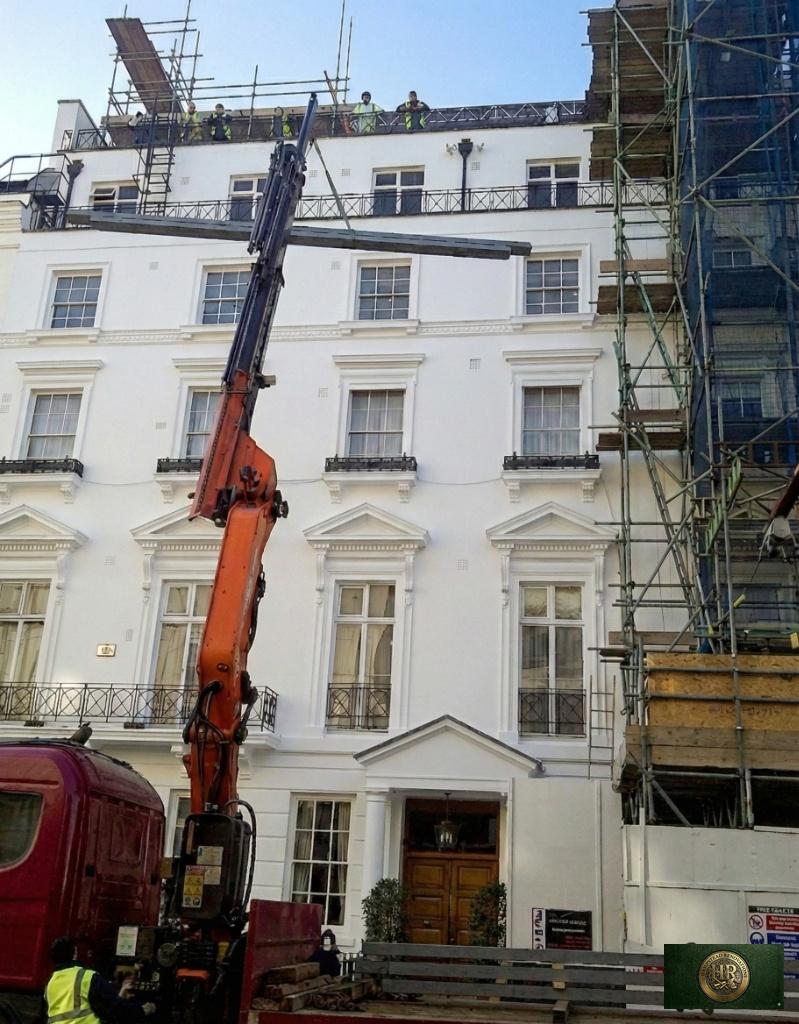
Penthouse duplex refurbishment and roof reconstruction within a Grade II listed setting, unifying the top two levels into seamless luxury living.
View Case Study →
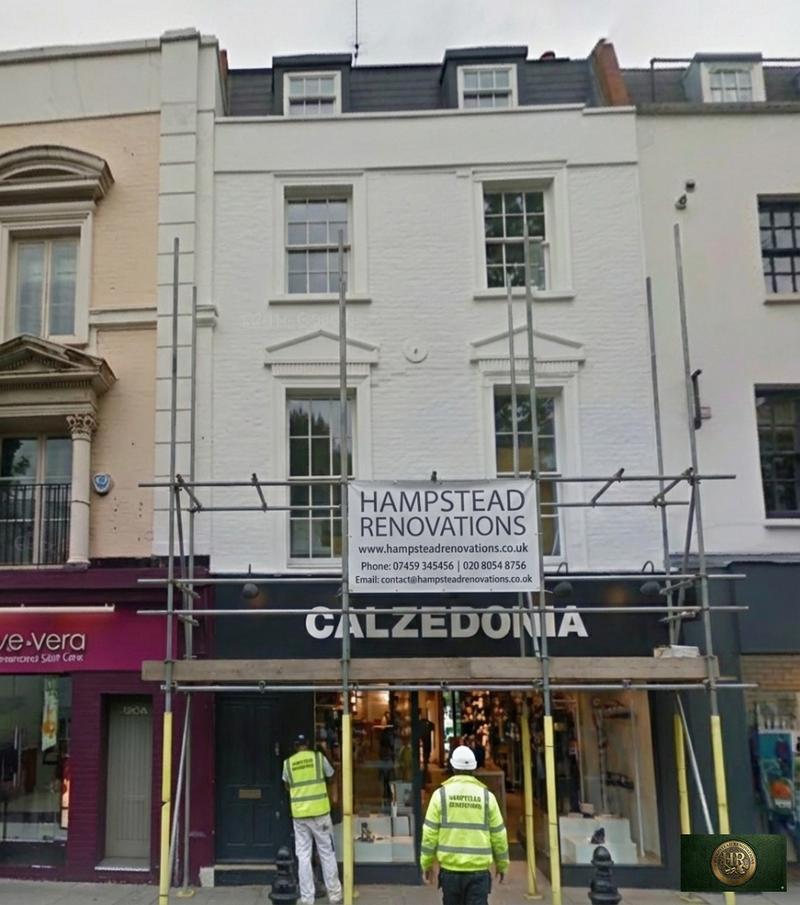
Office-to-retail and residential conversion delivering the Calzedonia store fit-out with three high-spec apartments above, preserving the original façade.
View Case Study →Use these area-specific guide pages to move from broad research into the main build routes people compare in Highbury N5.
Yes. The Highbury Conservation Area covers virtually the entire village and is one of the largest in London. Almost all external works require planning permission and must preserve or enhance the area's character. View Islington's conservation area guidance →
Many Georgian properties around Highbury Fields are Grade II or Grade II* listed. Listed Building Consent is required for any works — internal or external — that affect their character. Even seemingly minor works (removing a fireplace, altering joinery) require consent. Our architects check listing status at the start of every project and prepare Listed Building Consent applications where needed.
Victorian terrace extensions cost £2,800–£4,500 per sqm. Georgian restorations cost £650–£1,200 per sqm. Full refurbishments cost £500–£900 per sqm. Islington's strict standards mean higher design and planning costs — but also protect property values. All projects on fixed-price contracts.
Party wall agreements are essential for Highbury's terraced properties. We serve Party Wall Act notices, commission schedules of condition, and manage all neighbour coordination as standard. For listed properties, party wall considerations are particularly important as works must not damage the historic fabric of adjoining properties.
Yes, subject to Listed Building Consent where the property is listed. The key is distinguishing between historically significant fabric (which must be retained) and later additions (which can be sensitively updated). Our architects are experienced in threading contemporary kitchens, bathrooms, and services through Georgian houses without damaging the historic character that makes them valuable.
Yes. Our architects manage all Islington planning applications, conservation area submissions, and Listed Building Consent applications. We prepare heritage impact assessments and detailed design statements that meet Islington's exacting requirements.
Our initial consultation is free and carries no obligation. Visit our design studio on Finchley Road to explore material selections, meet our team, and discuss your project in person.