Paddington is defined by its railway heritage and its remarkable transformation from a gritty Victorian junction town to one of London's most desirable residential destinations. From the canal-side grandeur of Little Venice to the handsome railway workers' terraces of the W2 streets, and the emerging regeneration zone around Paddington Basin, our architects deliver expert renovations across this richly layered Victorian neighbourhood.
Paddington's identity was forged by the arrival of the Great Western Railway in 1838. Isambard Kingdom Brunel's magnificent terminus transformed a sleepy village into one of London's most dynamic transport hubs, and the development that followed — acres of Victorian terraces for workers, managers, and the growing middle class — created the layered residential character that survives today. The contrast between the canal-side elegance of Little Venice to the north and the railway-era terraces of the station quarter encapsulates Paddington's complexity.
The housing stock spans Paddington's varied character: the grand stucco villas of Little Venice along the Regent's Canal; the handsome brick-and-stucco Victorian terrace streets of Sussex Gardens, Norfolk Square, and Westbourne Terrace; the more modest but characterful terraces of the Hallfield Estate fringes; and the emerging new residential quarter around Paddington Basin, where canal-side warehouse conversions sit alongside new-build developments. Each zone has different planning considerations and renovation challenges.
For property owners in W2, renovation is managed by Westminster City Council. Paddington's terraces and villas sit within or adjacent to the Bayswater and Paddington Conservation Areas, and any works affecting exteriors require careful conservation area management. The area's unique strength is its transport infrastructure — Elizabeth line, Bakerloo, District, and Circle lines, plus the GWR terminus — which underpins strong investment fundamentals.
From our Finchley Road studio, our architects deliver experienced, conservation-conscious renovation across Paddington's varied property types. We understand the specific character of each part of this rich and varied neighbourhood.
From Georgian hilltop restoration to hillside extensions, every service shaped by our deep knowledge of the three-borough planning landscape and Highgate's unique topographical challenges.
Rear and lower-ground extensions to Paddington's characteristic Victorian terraces. Single-storey glazed kitchen extensions, lower-ground lightwell conversions, and side returns — all delivered within Westminster's conservation area framework.
Complete renovation of Little Venice's stucco villas and canal-side properties. Period feature restoration, modern extensions, and luxury fit-out that respects the unique character of London's most charming waterway enclave.
Complete transformation of Paddington's Victorian terraced houses. Structural repairs, M&E renewal, open-plan kitchen-dining conversions, and beautiful period feature restoration — making Victorian bones work for modern family living.
Rear dormer and mansard loft conversions to Paddington's Victorian terraces. Westminster conservation area roofline controls. Third bedroom or master suite potential.
Lightwell creation and lower-ground floor extensions to Paddington's Victorian terraces. Transforming dark basements into bright, habitable living space.
Bespoke kitchen design for period homes. Heritage proportions, contemporary performance.
Victorian restoration and contemporary luxury. Marble, stone, and bespoke joinery.
RIBA architects. Conservation area applications, 3D visualisation, construction drawings.
Chartered engineers. Wall removal, steel beams, underpinning, and foundations in N6.
Period-appropriate schemes. Material selection, space planning, furniture specification.
Multi-borough planning expertise. Westminster planning expertise. Bayswater and Paddington Conservation Areas, listed building consent, and permitted development in W2.
Grade I, II* and II listed property expertise. Listed Building Consent managed in-house.
Specialist renovation of Paddington's Victorian terraces, Little Venice villas, and canal-side conversions.
Full Party Wall Act management through our RICS chartered surveying practice.
RICS condition surveys via Hampstead Chartered Surveyors & Building Consultancy.
Highgate falls under the City of Westminster. The Highgate Conservation Area is one of the largest in London and covers virtually the entire village, spanning Camden, Haringey, and Islington. Planning permission is required for almost all external works, and each borough applies its own design standards.
Paddington's listed buildings include the Great Western Railway Hotel and the station itself (both Grade II*). The Victorian terraces are generally Grade II or unlisted, meaning permitted development rights apply to many properties outside the designated conservation areas. This gives more flexibility than neighbouring areas — but Westminster still applies strict guidelines within conservation areas.
View Westminster planning portal →Bayswater and Westbourne Conservation Areas protect Paddington's Victorian character. Westminster applies consistent facade and roofline controls across W2.
Many Paddington Victorian terraces outside conservation areas benefit from permitted development rights for rear extensions, loft conversions, and outbuildings. Our architects advise exactly what's possible without planning.
Properties adjacent to the Grand Union Canal (Little Venice) face additional environmental and ecological considerations. Canal & River Trust consultation required for works near the waterway.
Westminster offers pre-application services. Recommended for conservation area properties, listed buildings, and canal-side works.
Realistic cost ranges for the most common project types in Highgate. Westminster conservation requirements add approximately 5–15% to standard London pricing — modest compared to neighbouring Bayswater and Marylebone.
Brunel's Great Western Railway, the Regent's Canal, and the Victorian city that grew up around them.
The story of Isambard Kingdom Brunel's masterpiece of 1854 — the great arched roof, the dramatic concourse, and its role as London's gateway to the western world.
How the junction of the Regent's Canal and the Grand Union Canal created one of central London's most surprisingly tranquil and desirable neighbourhoods.
How the former goods depot at the edge of Brunel's station became one of London's most ambitious canalside regeneration projects.
Selected projects from across London.

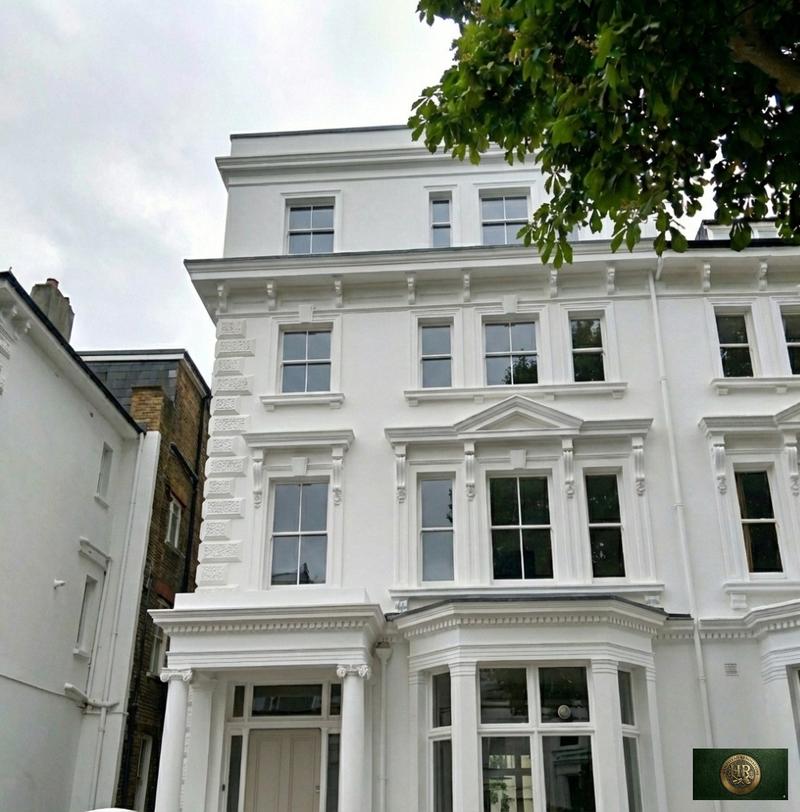
Five-storey house extension, full basement conversion, loft conversion and complete refurbishment within Belsize Park's conservation area.
View Case Study →
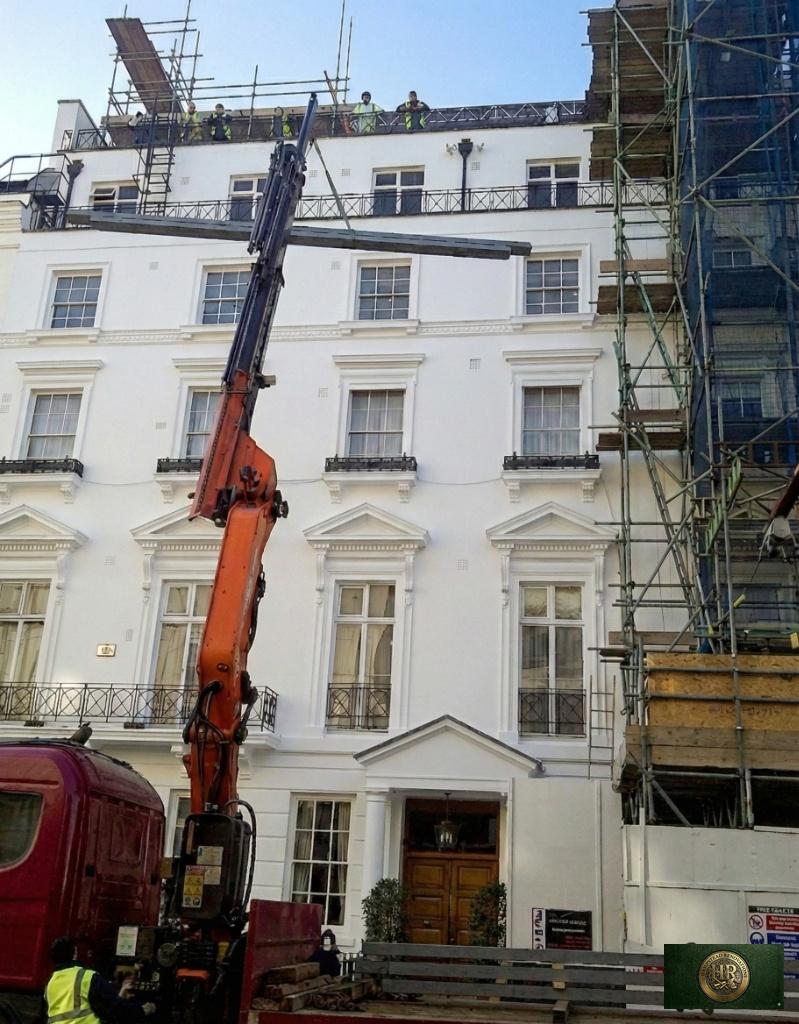
Penthouse duplex refurbishment and roof reconstruction within a Grade II listed setting, unifying the top two levels into seamless luxury living.
View Case Study →
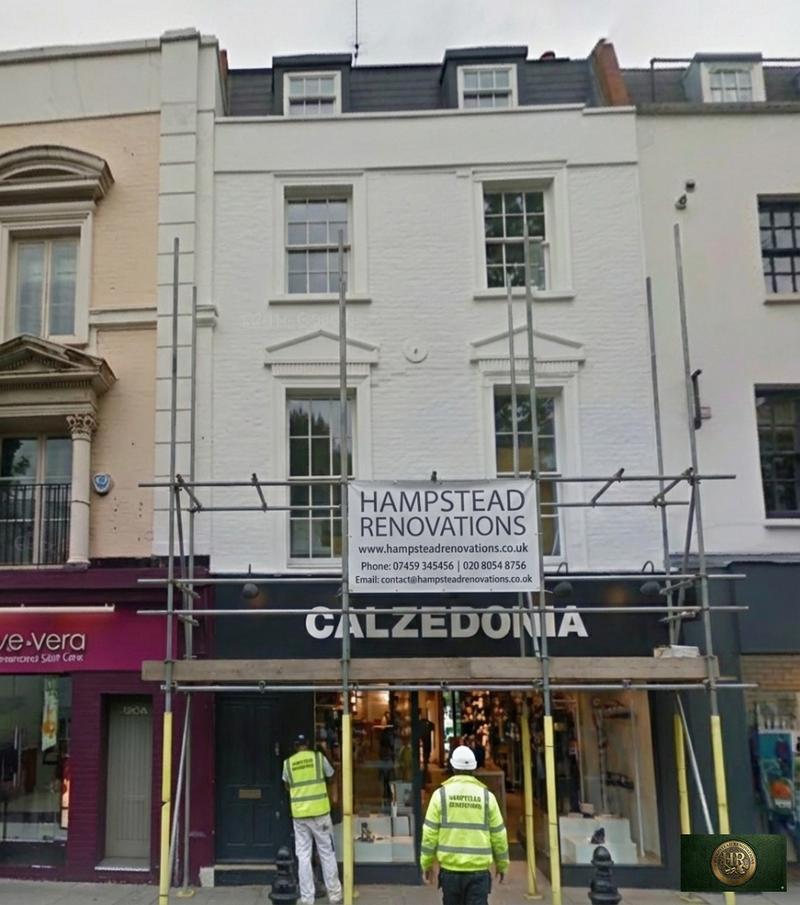
Office-to-retail and residential conversion delivering the Calzedonia store fit-out with three high-spec apartments above, preserving the original façade.
View Case Study →Use these area-specific guide pages to move from broad research into the main build routes people compare in Paddington W2.
Many Paddington Victorian terraces benefit from permitted development rights for single-storey rear extensions — current rules allow extensions up to 3m (terraces) or 4m (detached/semi-detached) under prior approval, and up to 8m under the neighbour consultation scheme. However, properties within conservation areas or with article 4 directions have restricted or no permitted development rights. Our architects confirm your property's PD status as the first step.
Yes, somewhat. Little Venice's stucco villas are typically larger, in better structural condition, and carry stronger planning protection than the terrace streets to the south. Renovation costs are higher because of the scale of the properties and the premium materials typically used. However, the canal-side location commands exceptional property values that make sensitive renovation an excellent investment.
Rear extensions to Victorian terraces in W2 typically cost £2,200–£3,500 per square metre. Full refurbishments range from £500–£850 per square metre. Loft conversions cost £45,000–£110,000 typically. Westminster conservation area requirements add approximately 5–15% to standard London pricing — making Paddington one of the more accessible central London areas for renovation. All projects on fixed-price contracts.
Yes — loft conversions are an excellent way to add space to Paddington's Victorian terraces. Rear dormers are generally achievable within conservation area guidelines. Mansard extensions (adding a full extra storey at roofline) require full planning but can dramatically increase the value of a Paddington terrace. Our architects design both types to maximise space while respecting Westminster's roofline controls.
Not directly for most renovation works. However, properties very close to the station may be subject to Environmental Impact Assessments regarding noise and vibration. The Elizabeth line tunnels below parts of Paddington, so any basement excavations require Engineer's assessment to confirm tunnel proximity and structural method. Our structural engineers assess this as standard for basement projects.
Yes. Our in-house RIBA architects manage all Westminster planning applications, permitted development prior approvals, canal-edge consultations, and building regulations for Paddington projects. We also handle the Canal & River Trust consultation process for Little Venice canalside properties.
Our initial consultation is free and carries no obligation. Visit our design studio on Finchley Road to explore material selections, meet our team, and discuss your project in person.