Marylebone is London's dream village — a neighbourhood that manages to feel both supremely central and utterly unhurried, built on the Georgian grid of the Howard de Walden Estate. High Street Marylebone, Chiltern Street, and Marylebone Lane have become London's most fashionable shopping and dining streets, while the residential squares and townhouses behind them provide a quality of urban village life matched nowhere else in central London. Our architects specialise in the sensitive renovation of the Howard de Walden Estate's finest properties.
Marylebone was developed by the Howard de Walden family from the 1720s, creating a remarkably coherent grid of Georgian streets that has survived largely intact. The estate still manages much of the area today, maintaining its character as a residential quarter of extraordinary quality. From the grandeur of Harley Street and Wimpole Street — historically London's medical corridor — to the intimate scale of narrow mews behind the principal terraces, Marylebone presents a range of property types of exceptional character.
The housing stock spans three centuries with remarkable variety: grand five-storey Georgian townhouses on Harley Street, Portland Place, and Manchester Square; smaller, more intimate four-storey properties on the back streets of Marylebone Lane and Crawford Street; purpose-built Victorian and Edwardian mansion blocks on the Baker Street and Great Portland Street frontages; and scores of mews houses throughout — Portland Mews, Blandford Mews, and Devonshire Close. Many properties are still held on Howard de Walden Estate leases, requiring estate consent for renovation works.
For property owners in W1, renovation is shaped by Westminster City Council's conservation area policies and — for Howard de Walden Estate leaseholders — the estate's own design standards. The Marylebone Conservation Area protects the Georgian grid, and the estate enforces consistent standards for facades, fenestration, and materials. The high concentration of medical premises on Harley Street and Wimpole Street means that change-of-use applications (medical to residential) are particularly common and require careful planning strategy.
From our Finchley Road studio, our architects navigate the Howard de Walden Estate's requirements and Westminster's conservation policies daily. Marylebone is one of our most active areas, and we understand the specific architectural character — the brick bonds, the doorcase details, the iron railings — that make this quarter so distinctive.
From Georgian hilltop restoration to hillside extensions, every service shaped by our deep knowledge of the three-borough planning landscape and Highgate's unique topographical challenges.
Complete transformation of Marylebone's Georgian townhouses. From Harley Street's medical-to-residential conversions to the elegant family townhouses of the back streets — sensitive, beautifully executed renovations on Howard de Walden Estate properties.
Complete transformation of Marylebone's cobbled mews — from vehicular entrances to ground-floor bedrooms, from open-plan kitchens to rooftop terraces. Maximising every inch of these charming intimate houses while meeting estate and Westminster requirements.
Specialist conversion of former Harley Street and Wimpole Street medical premises to luxury residential. Change of use planning, building regulations conversion, and full luxury residential fit-out within Westminster's conservation area framework.
Rear dormer and mansard conversions to Marylebone's Georgian townhouses. Westminster conservation area roofline controls apply. Roof terraces with views to Regent's Park achievable from upper floors.
Georgian cellar conversions and new basement excavations. Westminster basement policy compliance, structural engineering, and luxury residential fit-out for W1 London clay.
Bespoke kitchen design for period homes. Heritage proportions, contemporary performance.
Victorian restoration and contemporary luxury. Marble, stone, and bespoke joinery.
RIBA architects. Conservation area applications, 3D visualisation, construction drawings.
Chartered engineers. Wall removal, steel beams, underpinning, and foundations in N6.
Period-appropriate schemes. Material selection, space planning, furniture specification.
Multi-borough planning expertise. Westminster planning expertise. Marylebone Conservation Area, Howard de Walden Estate consent, and listed building compliance in W1.
Grade I, II* and II listed property expertise. Listed Building Consent managed in-house.
Specialist renovation of Marylebone's Georgian townhouses, mews residences, and medical-to-residential conversions.
Full Party Wall Act management through our RICS chartered surveying practice.
RICS condition surveys via Hampstead Chartered Surveyors & Building Consultancy.
Highgate falls under the City of Westminster. The Highgate Conservation Area is one of the largest in London and covers virtually the entire village, spanning Camden, Haringey, and Islington. Planning permission is required for almost all external works, and each borough applies its own design standards.
Portland Place and many of the principal streets contain Grade II and II* listed properties. The Howard de Walden Estate independently enforces design standards for all its leaseholders — requiring estate consent in addition to Westminster planning for most works. Our architects have working relationships with the estate's surveying team and understand their specific requirements.
View Westminster planning portal →Marylebone Conservation Area protects the Georgian grid. Westminster enforces strict facade, fenestration, and roofline controls across W1.
Much of Marylebone is managed by the Howard de Walden Estate, which requires estate consent in addition to Westminster planning. The estate has strict design standards for facades, railings, and finishes.
Converting Harley Street and Wimpole Street medical premises to residential requires change of use planning permission. Westminster scrutinises the loss of medical floorspace and requires justification.
Westminster offers pre-application services. Essential for medical-to-residential conversions, listed buildings, and Howard de Walden Estate properties.
Realistic cost ranges for the most common project types in Highgate. Conservation area requirements and the premium W1 market add approximately 15–25% to standard London pricing.
The Howard de Walden Estate, Harley Street's medical heritage, and the Georgian grid that created London's most beloved urban village.
The story of how one street became synonymous with the very finest in British medicine — and how its grand Victorian townhouses are now converting to luxury residences.
How a forgotten backwater became London's most fashionable village street — the boutiques, bakeries, and restaurants that transformed Marylebone.
How the Howard de Walden family has managed their W1 estate for 300 years — and how their philosophy continues to shape Marylebone's exceptional character today.
Selected projects from across London.

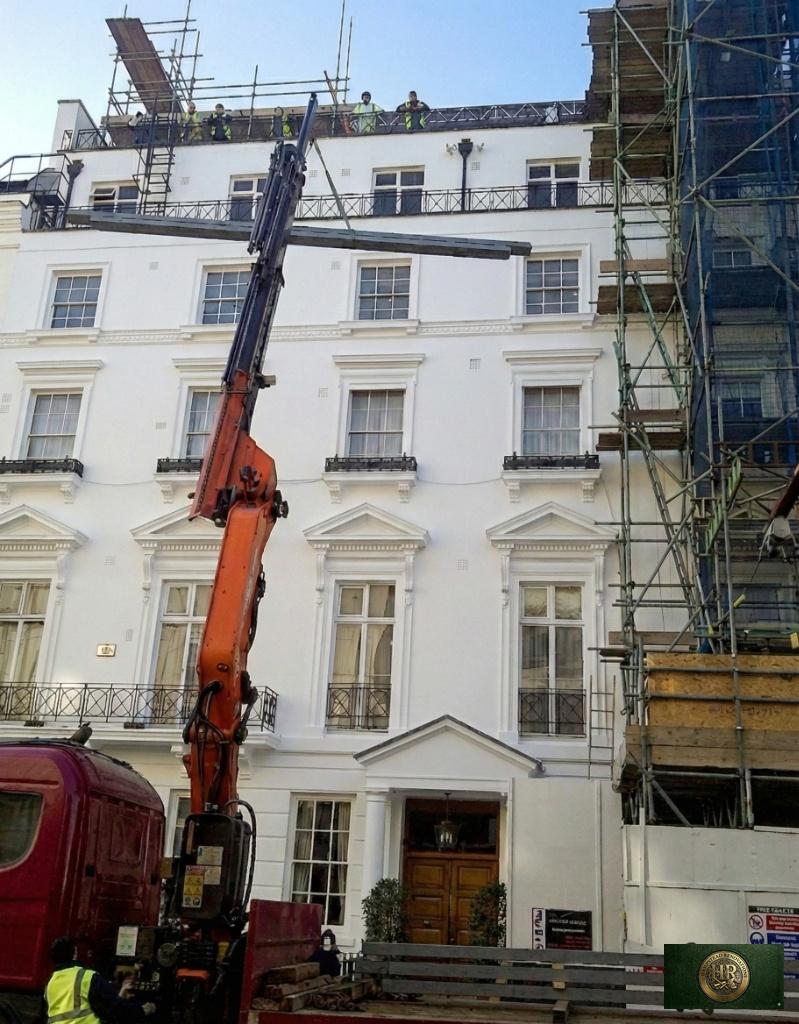
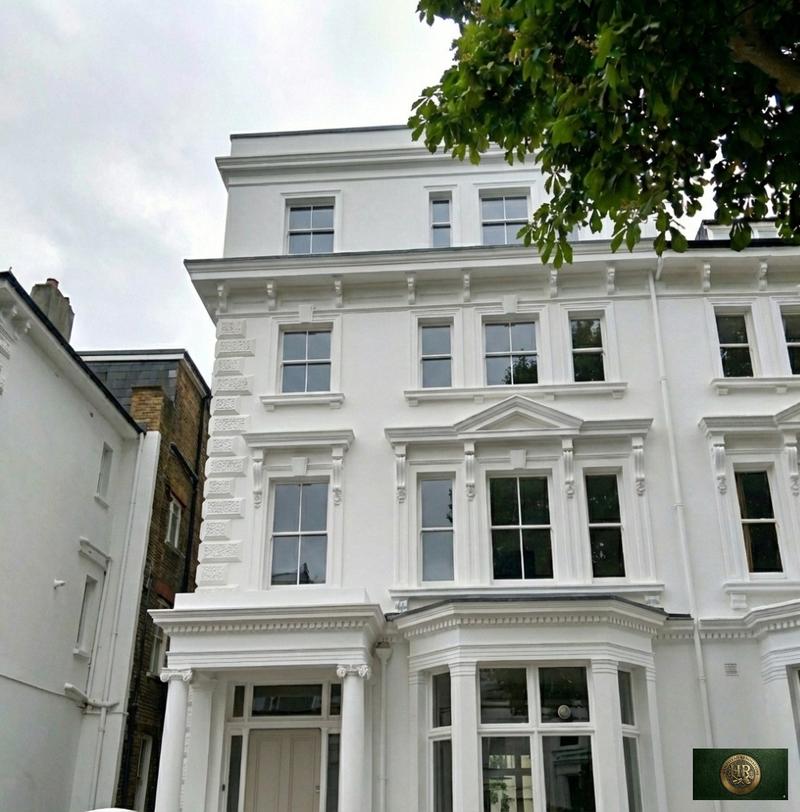
Five-storey house extension, full basement conversion, loft conversion and complete refurbishment within Belsize Park's conservation area.
View Case Study →
Penthouse duplex refurbishment and roof reconstruction within a Grade II listed setting, unifying the top two levels into seamless luxury living.
View Case Study →
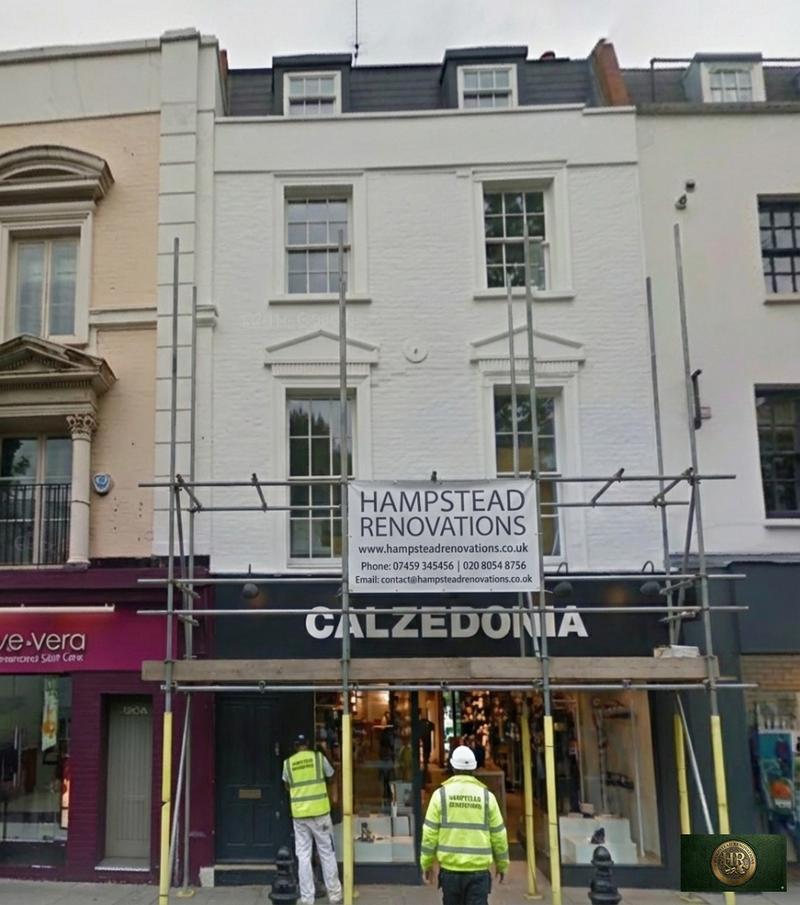
Office-to-retail and residential conversion delivering the Calzedonia store fit-out with three high-spec apartments above, preserving the original façade.
View Case Study →Use these area-specific guide pages to move from broad research into the main build routes people compare in Marylebone W1U.
If your property is held on a Howard de Walden Estate lease, yes — estate consent is required for most renovation works in addition to Westminster planning permission. The estate has a surveying team who review applications and may specify materials, finishes, or design elements. Our architects prepare estate submissions as part of every Marylebone project.
Change of use from medical (Class E) to residential (Class C3) on Harley Street and Wimpole Street requires full planning permission from Westminster — permitted development rights are restricted in the conservation area and Westminster is cautious about losing medical floorspace. Our architects prepare robust justification cases and have secured change-of-use approvals on these streets.
Georgian townhouse refurbishments in W1 typically cost £750–£1,400 per square metre. Mews renovations range from £1,500–£2,500 per square metre. Medical-to-residential conversions cost £600–£1,000 per square metre. Conservation area requirements and the premium W1 market add 15–25% to standard London pricing. All projects delivered on fixed-price contracts.
Roof terraces are achievable on many Marylebone townhouses — particularly from the third or fourth floor, where views to Regent's Park and the surrounding roofscape are exceptional. Westminster requires that terraces are not visible from street level and that acoustic screening is provided. Our architects design terraces that satisfy these requirements while maximising the outdoor space and views.
Yes — the Marylebone Conservation Area covers virtually all of the historic Georgian grid. Westminster requires planning permission for most external works, including facade repairs, window replacements, and roofline changes. The Howard de Walden Estate enforces additional design standards on top of these requirements. Our architects are experienced in navigating both layers of control.
Yes. Our in-house RIBA architects manage both Westminster planning applications and Howard de Walden Estate submissions. We coordinate these processes to minimise delay — preparing both applications simultaneously where possible — and manage Listed Building Consent, conservation area consents, and building regulations as standard.
Our initial consultation is free and carries no obligation. Visit our design studio on Finchley Road to explore material selections, meet our team, and discuss your project in person.