Knightsbridge is defined by its position on the southern edge of Hyde Park and its global reputation as London's most glamorous shopping destination — home to Harrods and Harvey Nichols. The residential streets behind these famous facades contain some of the capital's most valuable real estate: white stucco townhouses on Lowndes Square, Italianate mansions on Pont Street, and historic mews that command eight-figure prices. Our architects deliver renovations worthy of these extraordinary addresses.
Knightsbridge acquired its reputation for luxury in the mid-19th century, when the opening of Harrods (1849) and the development of South Kensington for the Great Exhibition of 1851 established the area as London's premier destination for wealth and commerce. The residential streets that surround this world-famous infrastructure — Lowndes Square, Cadogan Place, Pont Street, and Montpelier Square — contain some of the capital's finest Victorian and Edwardian townhouses, alongside the extraordinary Italianate red-brick mansions of the Pont Street Dutch style.
The housing stock is amongst the most varied and valuable in London. Grand white stucco Victorian townhouses on Lowndes Square and Cadogan Place (many Grade II listed, many on the Grosvenor or Cadogan Estate leases), red-brick Pont Street Dutch mansions on Pont Street and Draycott Place, and scores of historic mews — Kinnerton Street, Motcomb Street, Montpelier Mews — converted from the stables and coach houses that once served the great townhouses above. The area straddles the boundary between Westminster and the Royal Borough of Kensington and Chelsea (RBKC), each with distinct planning policies.
For property owners in SW3, renovation is defined by three overlapping authorities: Westminster City Council (for properties north of the Brompton Road), the Royal Borough of Kensington and Chelsea (south of the Brompton Road), and — for estate leaseholders — the Cadogan Estate or Grosvenor Estate. The boundary between Westminster and RBKC runs roughly along the Brompton Road, creating a dual-borough environment where identical streets can be governed by very different planning philosophies.
From our Finchley Road studio, our architects navigate this dual-borough landscape with authority. We have delivered projects on both sides of the Brompton Road and understand the precise differences between Westminster's and RBKC's approaches to conservation, listed buildings, and permitted development.
From Georgian hilltop restoration to hillside extensions, every service shaped by our deep knowledge of the three-borough planning landscape and Highgate's unique topographical challenges.
Complete transformation of Knightsbridge's Victorian and Edwardian townhouses. Basement cinema rooms, bespoke kitchens, luxury bathroom suites, and home automation — all delivered to the ultra-premium standards SW3 demands.
Complete conversion and renovation of Knightsbridge's historic mews residences. Structural glazing, mezzanine bedrooms, open-plan living, and bespoke interiors that maximise every centimetre of these intimate properties.
Luxury basement excavations beneath Knightsbridge townhouses — swimming pools, home cinemas, gyms, and wine cellars. Westminster basilment policy and RBKC basement policy managed. Full structural engineering.
Roof-level terraces and mansard extensions to Knightsbridge townhouses. Westminster and RBKC roofline constraints apply across SW3 and SW7.
Full home automation, AV systems, climate control, and security — integrated seamlessly into Knightsbridge's period properties during renovation.
Bespoke kitchen design for period homes. Heritage proportions, contemporary performance.
Victorian restoration and contemporary luxury. Marble, stone, and bespoke joinery.
RIBA architects. Conservation area applications, 3D visualisation, construction drawings.
Chartered engineers. Wall removal, steel beams, underpinning, and foundations in N6.
Period-appropriate schemes. Material selection, space planning, furniture specification.
Multi-borough planning expertise. Westminster and RBKC dual-borough planning. Conservation area, listed building, estate consent, and basement policy compliance.
Grade I, II* and II listed property expertise. Listed Building Consent managed in-house.
Specialist renovation of Knightsbridge's stucco townhouses, Pont Street Dutch mansions, and historic mews residences.
Full Party Wall Act management through our RICS chartered surveying practice.
RICS condition surveys via Hampstead Chartered Surveyors & Building Consultancy.
Highgate falls under the City of Westminster / RBKC. The Highgate Conservation Area is one of the largest in London and covers virtually the entire village, spanning Camden, Haringey, and Islington. Planning permission is required for almost all external works, and each borough applies its own design standards.
Many Knightsbridge properties are individually listed Grade II. Estate leasehold properties (Cadogan Estate, Grosvenor Estate) require estate approval alongside planning consent. Westminster operates a specific basement policy restricting excavation depth and extent. RBKC has its own basement policy with different constraints. Both must be satisfied for any below-ground works.
View Westminster planning portal →Knightsbridge Conservation Areas in both Westminster and RBKC. Strict stucco facade, fenestration, and roofline controls throughout SW3 and SW7.
Westminster and RBKC apply different basement policies, conservation area guidelines, and design standards. Your planning authority depends on which side of the Brompton Road your property sits.
Westminster and RBKC each operate specific basement policies restricting excavation depth, extent, and construction method. Expert structural engineering and planning justification are essential.
Both Westminster and RBKC offer pre-application services. Essential for basement works, listed buildings, and properties with estate leasehold requirements.
Realistic cost ranges for the most common project types in Highgate. The ultra-premium SW3 market, listed building requirements, and dual-borough planning complexity add 30–50% to standard London pricing.
Harrods, Hyde Park, and the Victorian ambition that created London's most glamorous residential quarter.
How Charles Henry Harrod's grocery business of 1849 grew into the landmark that defines Knightsbridge's global identity.
The story of the exuberant red-brick mansions with their stepped gables, terracotta ornament, and Flemish detailing — and why Pont Street was described as 'the most complete street in London.'
How the southern perimeter of Hyde Park shaped the development of Knightsbridge — and why the park's edge remains the most coveted address in SW3.
Selected projects from across London.

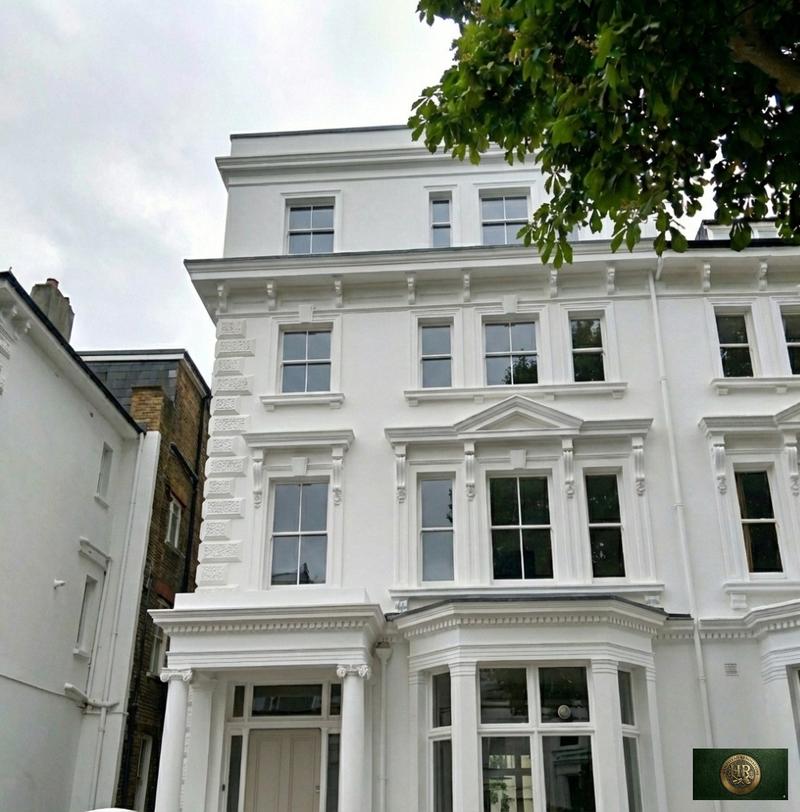
Five-storey house extension, full basement conversion, loft conversion and complete refurbishment within Belsize Park's conservation area.
View Case Study →
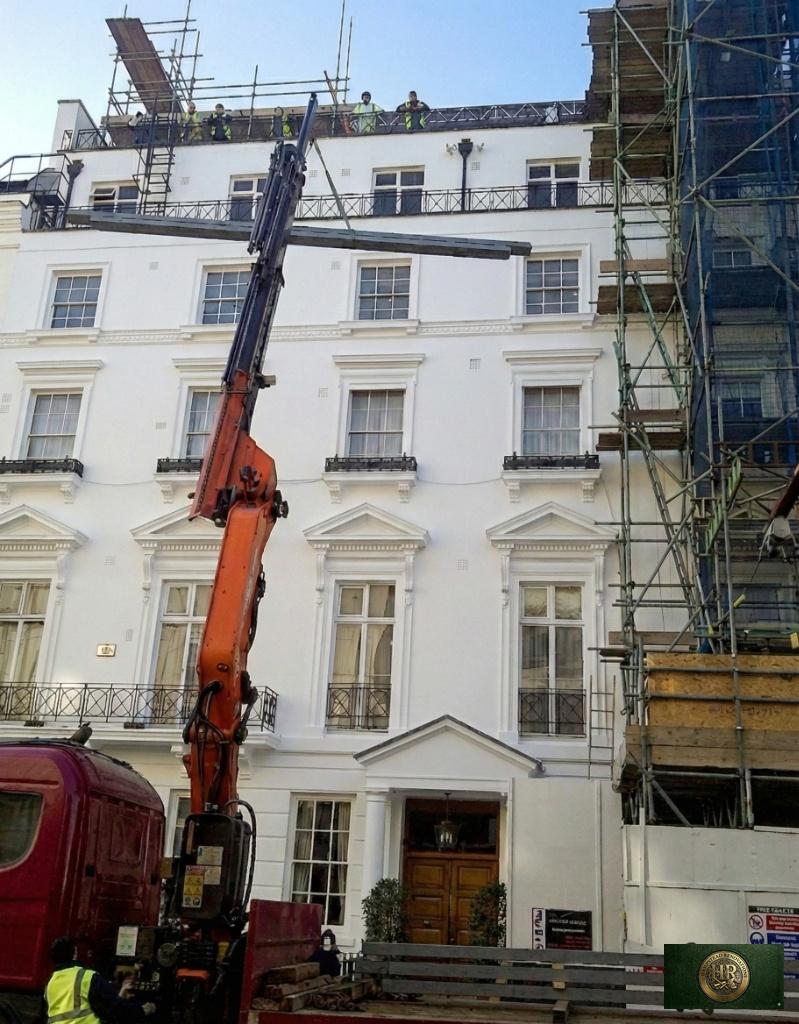
Penthouse duplex refurbishment and roof reconstruction within a Grade II listed setting, unifying the top two levels into seamless luxury living.
View Case Study →
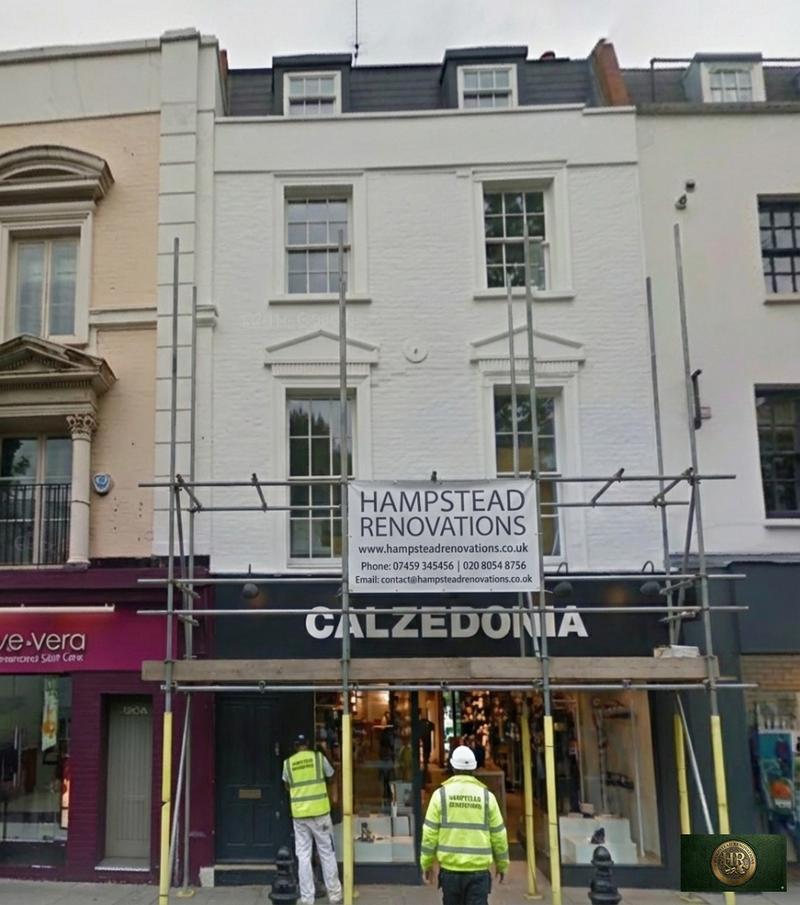
Office-to-retail and residential conversion delivering the Calzedonia store fit-out with three high-spec apartments above, preserving the original façade.
View Case Study →Use these area-specific guide pages to move from broad research into the main build routes people compare in Knightsbridge SW7.
The boundary between Westminster and the Royal Borough of Kensington and Chelsea runs roughly along the Brompton Road. Properties north of the Brompton Road (Lowndes Square, Cadogan Place, Pont Street) generally fall under Westminster. Properties south (Brompton Road, Ennismore Gardens) generally fall under RBKC. Our architects know exactly which authority governs each street.
Both Westminster and RBKC operate specific basement policies. Westminster generally limits excavation to one floor below existing basement level, requires a structural method statement and neighbours' notice, and restricts the footprint to 50% of the garden. RBKC has similar but different restrictions. Our structural engineers and architects manage all basement policy compliance as standard.
Knightsbridge sits at London's ultra-premium tier. Townhouse refurbishments typically cost £1,100–£2,200 per square metre. Mews conversions range from £1,800–£3,000 per square metre. Basement excavations cost £4,500–£8,000 per square metre. The combination of listed buildings, dual-borough complexity, and ultra-premium finish standards adds 30–50% to standard London pricing. All projects on fixed-price contracts.
Yes — basement swimming pools, home cinemas, gyms, and staff quarters are among the most common additions to Knightsbridge townhouses. These require careful basement policy compliance, structural engineering, and planning consent. Our team has delivered multiple basement swimming pools and home cinemas in SW3 and SW1X.
Many Knightsbridge properties are held on Cadogan Estate or Grosvenor Estate leases, which require estate consent for any internal or external works — in addition to planning permission. Both estates have strict design codes. Our architects prepare estate applications as a standard part of every Knightsbridge project and have working relationships with both estates' surveying teams.
Yes. Our in-house RIBA architects manage applications to both authorities, plus Cadogan and Grosvenor Estate submissions. We coordinate all three consent processes in parallel, preparing conservation area applications, listed building consent submissions, basement method statements, and estate design packages as one coordinated programme.
Our initial consultation is free and carries no obligation. Visit our design studio on Finchley Road to explore material selections, meet our team, and discuss your project in person.