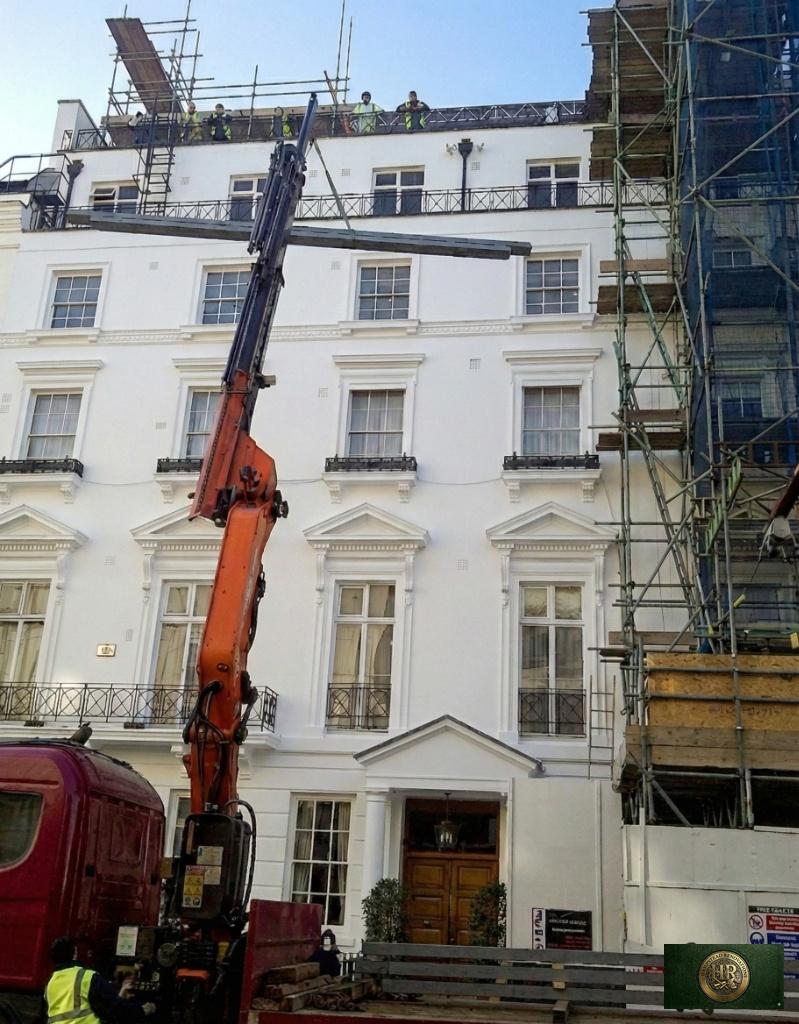
Belgravia is Thomas Cubitt's masterpiece — London's most prestigious residential quarter, built in the 1820s for the Grosvenor Estate. White stucco crescents, immaculate garden squares, and embassy-lined streets define an area where property values are measured in the tens of millions. Our architects deliver heritage-sensitive renovations worthy of one of the world's most exclusive addresses.
Belgravia was created in a single ambitious building campaign between 1825 and 1855, when Thomas Cubitt transformed the marshland of Five Fields into London's most fashionable residential quarter. The result is an area of extraordinary architectural uniformity — sweeping stucco crescents, immaculate garden squares, and streets of five-storey townhouses that have housed royalty, diplomats, and the British aristocracy for two centuries.
The housing stock comprises three distinct types: grand Regency townhouses on Belgrave Square, Eaton Square, and Chester Square (many Grade II listed); intimate mews houses on Kinnerton Street, Belgrave Mews, and Eaton Mews (originally stables and coach houses); and a smaller number of Victorian and Edwardian mansion blocks. All are held on the Grosvenor Estate lease, which means renovation works require both Westminster planning consent and Grosvenor Estate approval — a dual consent regime that demands specialist knowledge.
For leaseholders in SW1X, renovation is shaped by three overlapping authorities: Westminster City Council (planning), the Grosvenor Estate (leasehold consent), and English Heritage (for individually listed buildings). The Grosvenor Estate maintains its own estate-wide design code governing everything from front door colours to ironwork specifications, and their surveyors inspect all completed works. Our architects have extensive experience navigating this complex triple-consent environment.
From our Finchley Road studio, our architects have delivered projects across Belgravia's most prestigious streets. We understand the Grosvenor Estate's design code, the Westminster conservation requirements, and the ultra-premium finish standards that Belgravia's international clientele demand.
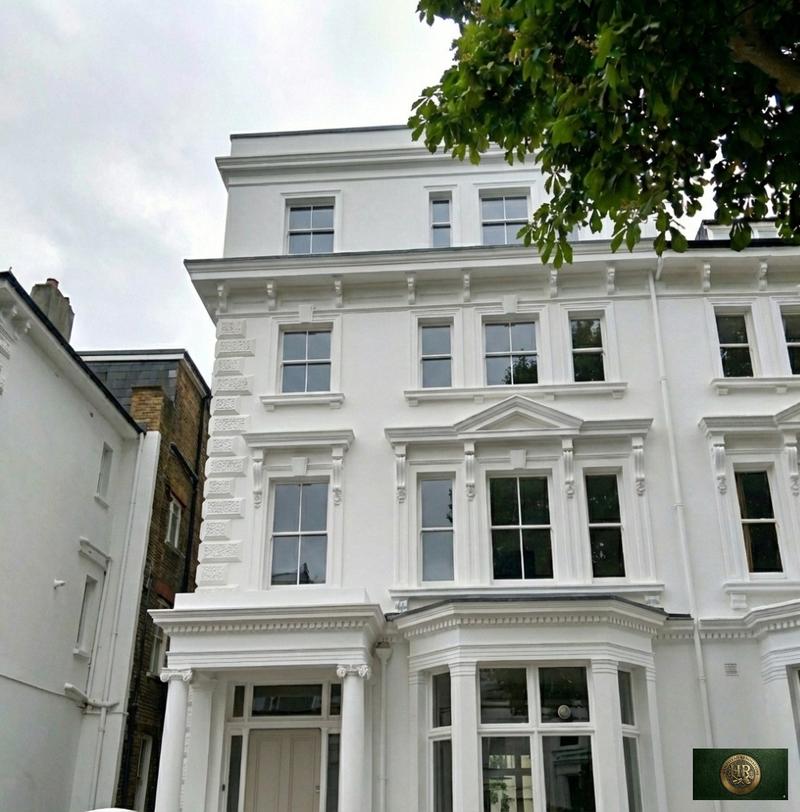
From Georgian hilltop restoration to hillside extensions, every service shaped by our deep knowledge of the three-borough planning landscape and Highgate's unique topographical challenges.
Complete transformation of Belgravia's Regency townhouses. Five-storey renovations from basement to roof terrace, with Grosvenor Estate and Westminster dual consent managed throughout.
Specialist renovation of Belgravia's Grade II and II* listed townhouses. Stucco restoration, period joinery, ironwork reinstatement, and sensitive interior modernisation behind heritage facades.
Complete transformation of Belgravia's former coach houses and stables into luxury contemporary residences. Structural glazing, mezzanine levels, and bespoke interior design within intimate two-storey volumes.
Roof terrace creation and mansard extensions to Belgravia townhouses. Westminster and Grosvenor Estate roofline constraints apply.
Luxury basement excavations beneath Belgravia townhouses. Swimming pools, cinemas, wine cellars, and staff quarters. Westminster basement policy compliance.
Bespoke kitchen design for period homes. Heritage proportions, contemporary performance.
Victorian restoration and contemporary luxury. Marble, stone, and bespoke joinery.
RIBA architects. Conservation area applications, 3D visualisation, construction drawings.
Chartered engineers. Wall removal, steel beams, underpinning, and foundations in N6.
Period-appropriate schemes. Material selection, space planning, furniture specification.
Multi-borough planning expertise. Westminster and Grosvenor Estate dual consent. Conservation area, listed building, and leasehold compliance.
Grade I, II* and II listed property expertise. Listed Building Consent managed in-house.
Specialist renovation of Belgravia's Regency townhouses, mews houses, and period mansion flats.
Full Party Wall Act management through our RICS chartered surveying practice.
RICS condition surveys via Hampstead Chartered Surveyors & Building Consultancy.
Highgate falls under the City of Westminster. The Highgate Conservation Area is one of the largest in London and covers virtually the entire village, spanning Camden, Haringey, and Islington. Planning permission is required for almost all external works, and each borough applies its own design standards.
Many Belgravia properties are individually listed at Grade II or Grade II*. Listed Building Consent is required for works affecting the character of these buildings — including internal alterations. The Grosvenor Estate also maintains its own design code covering front door colours, ironwork specifications, window styles, and external lighting. Our architects work within this complex dual-authority framework daily.
View Westminster planning portal →Belgravia Conservation Area protects the entire quarter. Westminster enforces Regency character preservation with strict facade and fenestration controls.
All properties on the Grosvenor Estate lease require estate approval in addition to Westminster planning. The estate has its own design code and surveyors who inspect completed works.
Many Belgravia townhouses are individually listed. Listed Building Consent is required for internal and external works affecting the building's character — a third consent layer beyond planning and estate approval.
Westminster offers pre-application services. Essential for listed buildings, and the Grosvenor Estate offers pre-submission consultations for major works.
Realistic cost ranges for the most common project types in Highgate. Listed building requirements, Grosvenor Estate compliance, and ultra-premium finishes add 25–40% to standard London pricing.
Regency splendour, the Grosvenor Estate, and the creation of London's most prestigious residential quarter.
How the master builder transformed marshy Five Fields into the most fashionable address in the British Empire.
The story of the palatial stucco mansions, embassy residences, and the garden that defines Belgravia's heart.
How Belgravia's former coach houses became some of London's most desirable — and expensive — residences.
Selected projects from across London.

Five-storey house extension, full basement conversion, loft conversion and complete refurbishment within Belsize Park's conservation area.
View Case Study →
Penthouse duplex refurbishment and roof reconstruction within a Grade II listed setting, unifying the top two levels into seamless luxury living.
View Case Study →
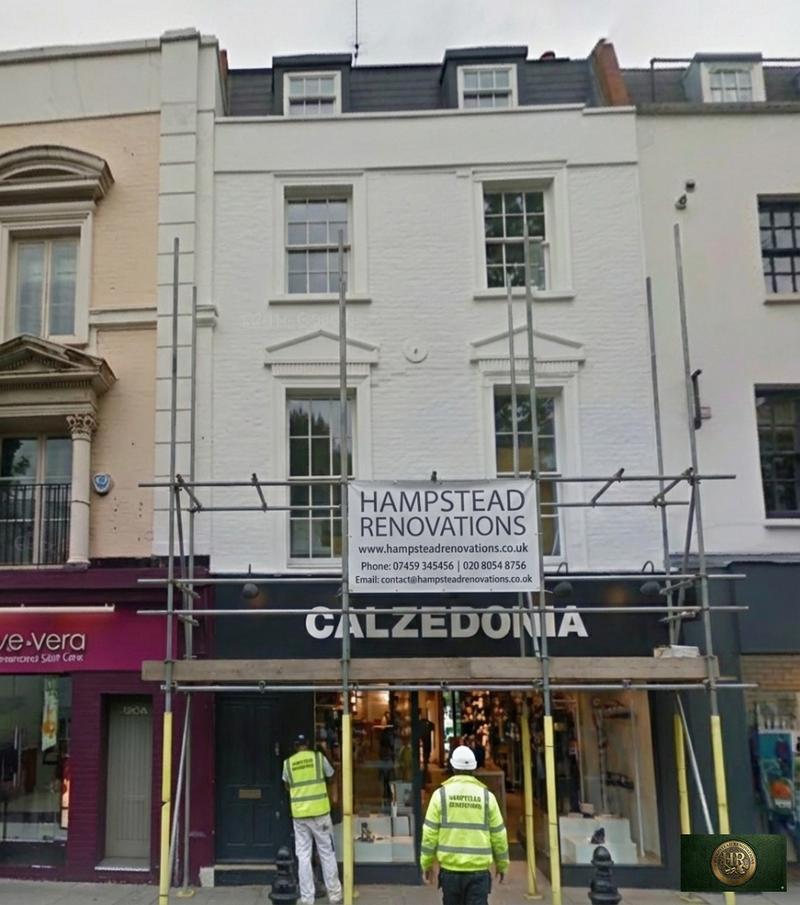
Office-to-retail and residential conversion delivering the Calzedonia store fit-out with three high-spec apartments above, preserving the original façade.
View Case Study →Use these area-specific guide pages to move from broad research into the main build routes people compare in Belgravia SW1.
Almost certainly yes. The vast majority of Belgravia properties are held on Grosvenor Estate leases, which require estate consent for any works — in addition to Westminster planning permission. The estate has its own design code and surveyors who inspect completed works. Our architects prepare Grosvenor Estate applications as a standard part of every Belgravia project.
Many Belgravia properties are individually listed at Grade II or Grade II*. You can check your property's listing status on the Historic England website. If your property is listed, Listed Building Consent is required for any works affecting the building's character — including internal alterations such as removing cornices, altering staircases, or changing room layouts. Our architects specialise in LBC applications for Belgravia's most significant properties.
Belgravia sits at London's ultra-premium tier. Complete townhouse refurbishments typically cost £1,200–£2,500 per square metre. Mews conversions range from £2,000–£3,500 per square metre. Basement excavations cost £4,500–£7,000 per square metre. The listed building requirements, Grosvenor Estate compliance costs, and ultra-premium finish standards add 25–40% to standard London pricing. All projects delivered on fixed-price contracts.
The Grosvenor Estate maintains exceptionally high standards. Their design code specifies approved front door colours, ironwork styles, and external lighting. Internal finishes are expected to be commensurate with the property's status. The estate's surveyors inspect completed works before sign-off. Our interiors team works to these standards as a matter of course.
Yes — mews conversions are one of the most popular renovations in Belgravia. The key challenges are the Grosvenor Estate's design requirements (they have specific views on mews house facades), Westminster's conservation area policies, and the structural limitations of buildings originally designed as stables. Our architects have delivered multiple mews conversions in SW1X and understand exactly what the estate and council will approve.
Yes. Our in-house RIBA architects manage both Westminster planning applications and Grosvenor Estate submissions in parallel. We prepare all Listed Building Consent applications, conservation area proposals, and estate design submissions as one coordinated package — saving significant time compared to managing the two processes separately.
Our initial consultation is free and carries no obligation. Visit our design studio on Finchley Road to explore material selections, meet our team, and discuss your project in person.