Clapham is where 220 acres of green space meet some of London's finest Victorian and Georgian housing stock. Our architects understand every conservation area, every dual-borough planning nuance, and every detail that makes SW4 one of the most exciting places to renovate in south London.
Clapham has been one of London's most desirable addresses since the late Georgian era, when wealthy merchants and members of the so-called Clapham Sect — including William Wilberforce — built grand houses around the Common's North Side. That tradition of ambitious, well-proportioned domestic architecture has defined the area ever since: from the stately Georgian townhouses that still line the northern edge of the Common, through the elegant Victorian terraces of the Abbeville Road "village" and Old Town, to the Edwardian properties and mansion flats that fill the streets between.
Clapham Common itself — 220 acres of green space at the heart of SW4 — is the defining feature. Properties overlooking or close to the Common command a significant premium, and the area's desirability has driven a wave of ambitious renovation projects. Loft conversions to Victorian terraces, rear and side-return extensions to create open-plan kitchen-diners, basement conversions beneath the grander North Side properties, and complete refurbishments of period homes have become the neighbourhood's stock-in-trade.
For homeowners, Clapham presents a distinctive planning challenge: the area is split between the London Boroughs of Lambeth and Wandsworth. The Old Town, North Side, and areas east of the Common fall under Lambeth, while streets to the south and west are in Wandsworth. Each borough has different planning policies, conservation area requirements, and approaches to permitted development. Navigating this dual-authority landscape requires specialist local knowledge — and it is precisely the expertise we bring to every Clapham project.
From Victorian terrace loft conversions to Georgian townhouse basement extensions, every service shaped by deep knowledge of Clapham's conservation areas and dual-borough planning landscape.
Clapham's most popular upgrade. Dormer, mansard, and L-shaped loft conversions to Victorian and Edwardian terraces, maximising space while respecting roofline character across SW4.
The signature Clapham project: opening up the ground floor with a rear or side-return extension to create the open-plan kitchen-diner that transforms how a Victorian terrace lives.
Full basement dig-downs and cellar conversions, particularly popular on Clapham Common North Side's grander Georgian and early-Victorian properties. Structural engineering and waterproofing for SW4 ground conditions.
Complete property transformation from shell to finished home. Structural work, all trades, and project management for Clapham's most ambitious renovations.
Bespoke kitchen design for Clapham's period homes. Heritage proportions, contemporary performance, and the open-plan layouts SW4 buyers demand.
Victorian restoration and contemporary luxury. Natural stone, bespoke joinery, and underfloor heating for Clapham's period properties.
Period property specialists. Sash window restoration, cornice repair, original timber flooring, and the balance between preservation and modern living.
RIBA architects. Conservation area applications, 3D visualisation, construction drawings for Lambeth and Wandsworth submissions.
Chartered engineers. Wall removal, steel beams, underpinning, and foundations for Clapham's period properties and ambitious basement projects.
The Clapham aesthetic — period character with contemporary edge. Material selection, space planning, and furniture specification for SW4 homes.
Dual-borough expertise. Lambeth and Wandsworth planning applications, conservation area consent, and permitted development guidance.
Draught-proofing, double-glazing retrofits, and full restoration of original timber sash windows across Clapham's conservation areas.
Structural wall removal and reconfiguration to create the flowing ground-floor layouts that transform Clapham's Victorian terraces.
Full Party Wall Act management through our RICS chartered surveying practice. Essential for Clapham's terraced and semi-detached properties.
RICS condition surveys via Hampstead Chartered Surveyors & Building Consultancy. Pre-purchase and pre-renovation assessments for SW4 properties.
Clapham is split between two London boroughs — Lambeth and Wandsworth — each with distinct planning policies. Understanding which authority governs your property is the essential first step in any renovation project. The Old Town, Clapham Common North Side, and areas east of the Common fall within Lambeth, while the streets south and west of the Common are administered by Wandsworth. Conservation area designations, permitted development rights, and approaches to extensions and loft conversions can differ significantly between the two.
Lambeth's Clapham Conservation Area covers much of the historic core around the Old Town and North Side, imposing strict controls on external alterations to preserve the Georgian and early-Victorian character. The Abbeville Road area, with its distinctive village atmosphere, is also subject to conservation controls. In Wandsworth, planning policies tend to be somewhat more permissive for residential extensions, though conservation area requirements still apply where designated. Our architects have extensive experience with both authorities and will advise on the best strategy for your specific property.
View Lambeth planning portal →Clapham Conservation Area and Abbeville Road area impose design controls on external works. Character preservation is mandatory for all visible alterations.
Lambeth and Wandsworth have different policies on extensions, loft conversions, and permitted development. We identify your authority and tailor every application accordingly.
Basement conversions are popular on North Side's larger properties. Both boroughs require structural method statements, and Lambeth has specific subterranean development policies.
Many Clapham extensions can proceed under permitted development rights, but conservation area properties lose key PD rights. We assess your rights before design work begins.
Realistic cost ranges for the most common project types in Clapham. Conservation area requirements and the high specification expected in SW4 are reflected in all pricing.
From the Georgian grandeur of the Common's North Side to the Victorian terraces that define the neighbourhood, Clapham's architectural story spans over two centuries.
How William Wilberforce and the evangelical reformers who gathered around Holy Trinity Church created the social character that still defines Clapham Common's North Side.
A guide to the architectural character of Clapham's Victorian terraces — bay windows, decorative brickwork, slate roofs, and the side-return extensions that transformed them.
How the Lambeth-Wandsworth boundary bisects Clapham and what it means for homeowners navigating planning applications, conservation areas, and permitted development rights.
Selected projects from across London.

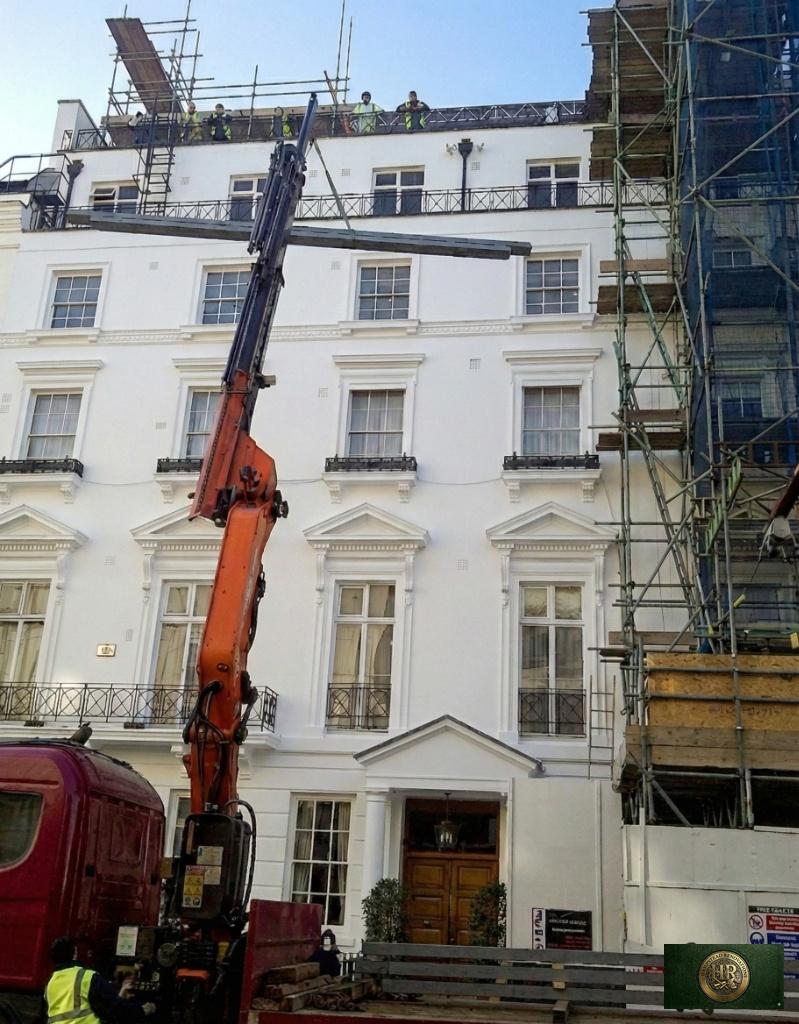
Five-storey house extension, full basement conversion, loft conversion and complete refurbishment within Belsize Park’s conservation area.
View Case Study →
Penthouse duplex refurbishment and roof reconstruction within a Grade II listed setting, unifying the top two levels into seamless luxury living.
View Case Study →
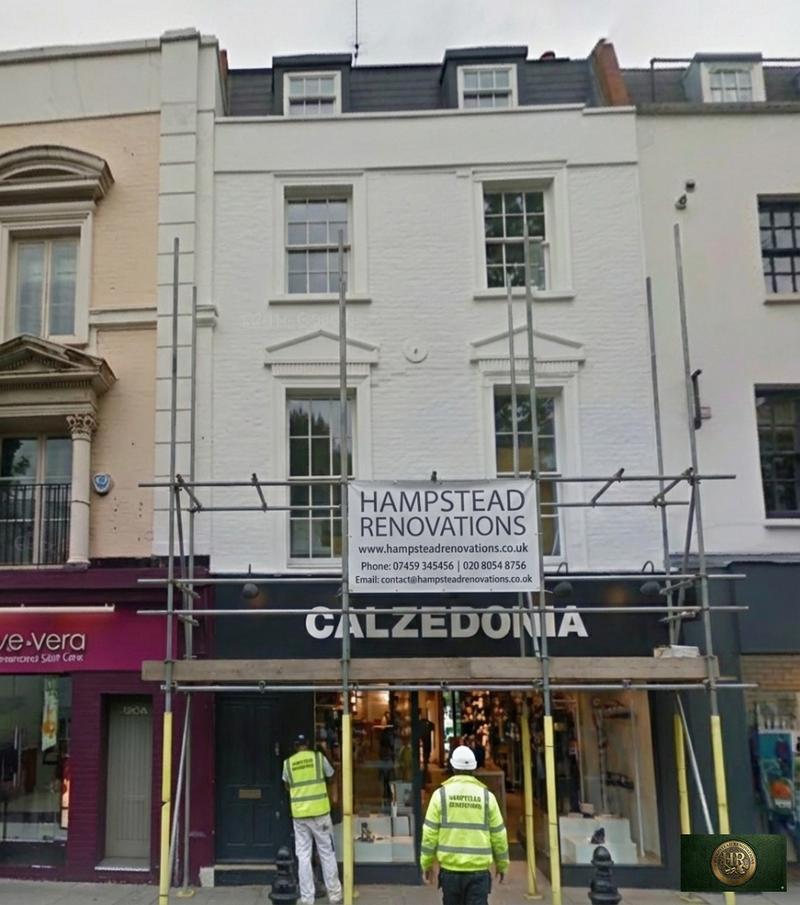
Office-to-retail and residential conversion delivering the Calzedonia store fit-out with three high-spec apartments above, preserving the original façade.
View Case Study →Use these area-specific guide pages to move from broad research into the main build routes people compare in Clapham SW4.
Parts of Clapham are within conservation areas, including the Clapham Conservation Area covering the Old Town, North Side, and areas around the Common, as well as the Abbeville Road area. Properties within these zones face stricter planning controls on external alterations. View Lambeth conservation area guidance →
Clapham is split between Lambeth and Wandsworth. Generally, the Old Town, North Side, and areas east of the Common are in Lambeth, while streets south and west of the Common fall within Wandsworth. We confirm your borough and applicable planning policies as the first step of any project.
Most Clapham Victorian and Edwardian terraces are excellent candidates for loft conversions. Outside conservation areas, many qualify under permitted development. Within conservation areas, planning permission is required but is regularly granted for well-designed dormer and mansard schemes. Our architects design to maximise your chances of approval.
Loft conversions in SW4 typically cost £1,800–£3,500 per square metre depending on the type (dormer, mansard, or L-shaped) and specification. A typical Victorian terrace loft conversion creating a bedroom and en-suite costs £65,000–£120,000. All our projects are delivered on fixed-price contracts.
Yes. Rear extensions are extremely popular in Clapham, particularly side-return extensions that open up the ground floor. Many qualify under permitted development rights (up to 6m for terraced houses), though conservation area properties need planning permission. Our architects have secured approval for hundreds of similar schemes across south London.
Yes. Our in-house RIBA architects manage all planning applications for both Lambeth and Wandsworth from initial feasibility through to approval. We have extensive experience with both authorities' planning teams, their conservation area requirements, and their respective approaches to residential extensions and conversions.
Our initial consultation is free and carries no obligation. Discuss your Clapham project with our RIBA architects, explore material selections, and understand what Lambeth or Wandsworth will permit for your property.