Regent's Park is London's most monumental residential address — John Nash's masterpiece of Regency town planning, where Grade I listed stucco terraces enclose 400 acres of Royal parkland. From our Finchley Road studio, our architects specialise in the unique dual-consent process required for Crown Estate properties, navigating heritage requirements that few firms in London fully understand.
Regent's Park represents the pinnacle of English Regency architecture. Designed by John Nash in the 1810s–1820s as a scheme of palatial terraces encircling a royal hunting ground, the park and its surrounding crescents form one of the most significant planned urban landscapes in the world. Cumberland Terrace, Chester Terrace, Hanover Terrace, and Park Crescent are among the most important Grade I listed structures in Britain.
The housing stock is unlike anywhere else in London. The Nash terraces are not individual houses but unified palace-fronted compositions — long, stucco-clad facades with Corinthian columns, pediments, and sculptural friezes designed to read as single monumental buildings. Behind these facades, individual apartments and houses of extraordinary scale occupy spaces with ceiling heights, proportions, and detailing that modern developers cannot replicate. The surrounding streets contain substantial Victorian villas, mansion blocks, and the iconic Park Village — Nash's pioneering development of semi-detached Italianate villas.
For residents in NW1, renovation is a uniquely complex undertaking. Most properties within the Nash terraces are held on Crown Estate leases — meaning the Crown Estate Paving Commission is a parallel authority alongside Westminster City Council. Both must approve any works. The terraces are Grade I listed, so Listed Building Consent is required for virtually any alteration, including internal works. Renovation budgets in Regent's Park regularly exceed £1 million, and projects can take 18–24 months from initial design to completion. This is not standard residential renovation — it is heritage restoration at the highest level.
That negotiation is what we do. Our design studio is on Finchley Road. Our architects have worked with Camden's planning team on hundreds of applications. We understand the constraints because we live within them.
From Georgian townhouse restoration to contemporary rear extensions, every service shaped by deep knowledge of Regent's Park's conservation areas and Camden's planning requirements.
Specialist restoration of Nash terrace interiors and facades. Lime plaster repair, stucco conservation, historic joinery reproduction, and the meticulous Listed Building Consent process. Our architects understand Grade I constraints intimately.
Full management of the Crown Estate dual-consent process. We coordinate with the Crown Estate Paving Commission and Westminster or Camden planning to ensure seamless approvals for your renovation.
Complete transformation of Regent's Park properties to the highest international specification. Natural stone, bespoke metalwork, smart home integration, and finishes that match the grandeur of Nash's original vision.
Expert repair and restoration of Nash's iconic stucco facades, columns, pilasters, and decorative mouldings to Crown Estate standards.
Below-ground space creation within Nash terrace vaults. Full engineering, waterproofing, and Listed Building Consent for Grade I properties.
Hand-crafted kitchens for Regency proportions. Ceiling heights of 3.5m+, original cornicing integration, and premium appliance specification.
Natural stone, heated floors, and bespoke vanity units designed for the grand proportions of Nash terrace bathrooms.
RIBA architects. Conservation area applications, 3D visualisation, construction drawings.
Chartered engineers specialising in Grade I listed structures. Careful interventions that satisfy both structural requirements and heritage constraints.
Period-appropriate schemes. Material selection, space planning, furniture specification.
Westminster & Camden planning expertise. Crown Estate consent, Grade I Listed Building Consent, and conservation area management.
Grade I, II* and II listed property expertise. Listed Building Consent managed in-house.
Specialist renovation of Nash terraces, Park Village villas, and Regent's Park mansion blocks.
Full Party Wall Act management through our RICS chartered surveying practice.
RICS condition surveys via Hampstead Chartered Surveyors & Building Consultancy.
Regent's Park falls under the Camden & Westminster. The Regent's Park Conservation Area is one of the largest in London and covers virtually the entire village, and the surrounding streets. The dual-consent process (Crown Estate + borough planning) applies to virtually all external and internal works.
The Nash terraces — including Cumberland Terrace, Chester Terrace, Hanover Terrace, and Park Crescent — are Grade I listed, the highest designation in England. Even internal alterations such as moving a partition wall, changing a door, or updating a kitchen require Listed Building Consent. Our architects have extensive experience preparing the detailed heritage impact assessments and conservation method statements that these applications demand.
View Westminster planning portal →Regent's Park Conservation Area covers the Nash terraces and surrounding streets. Grade I listing applies to all major terrace compositions.
Most Nash terrace properties are held on Crown Estate leases. The Crown Estate Paving Commission must approve all alterations — a parallel process to borough planning consent.
Nash terraces are Grade I listed. Listed Building Consent required for virtually all works, including internal alterations. Heritage impact assessments are mandatory.
Westminster and Camden offer pre-application services. Essential for Grade I listed Nash terraces and Crown Estate properties in NW1.
Realistic cost ranges for the most common project types in Regent's Park. Heritage and conservation requirements typically add 10–20% to standard London pricing.
John Nash's vision, the Crown Estate, and the architecture that created London's most monumental residential address.
How a royal hunting ground became the setting for the most ambitious residential scheme in British architectural history.
A detailed look at the most elaborate of Nash's terrace compositions — its Ionic columns, sculptural pediment, and dramatic 800-foot facade.
The unique leasehold structure that governs Regent's Park — and what it means for homeowners renovating Crown Estate properties.
Selected projects from across London.

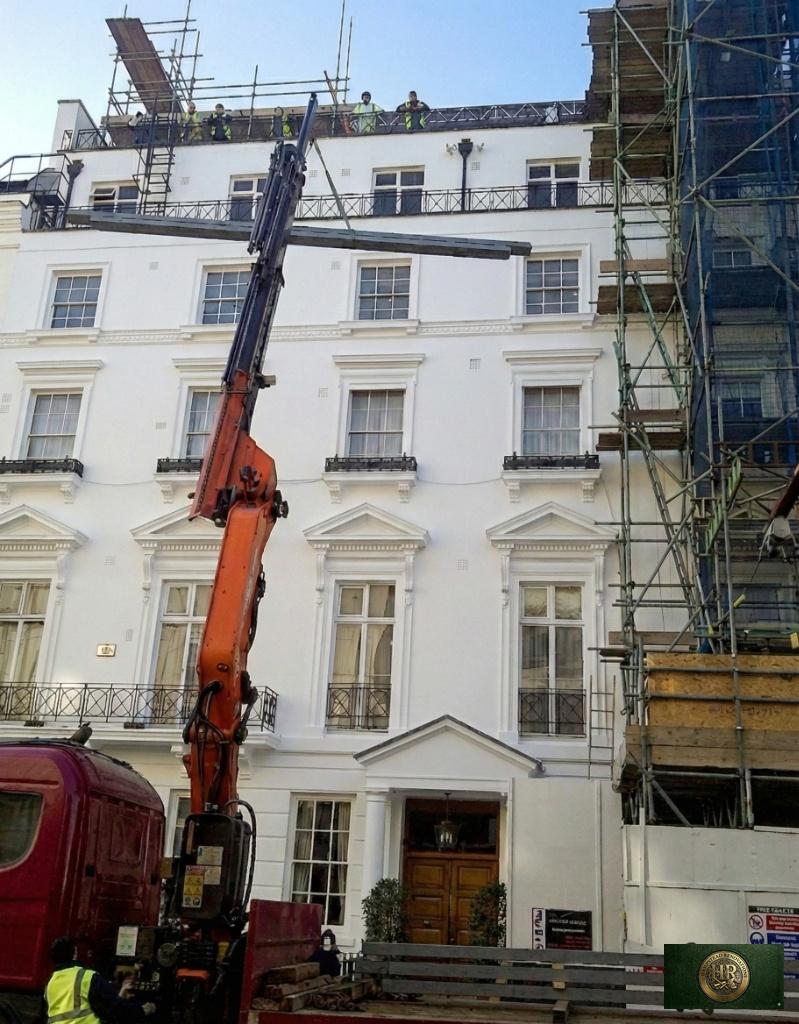
Five-storey house extension, full basement conversion, loft conversion and complete refurbishment within Belsize Park’s conservation area.
View Case Study →
Penthouse duplex refurbishment and roof reconstruction within a Grade II listed setting, unifying the top two levels into seamless luxury living.
View Case Study →
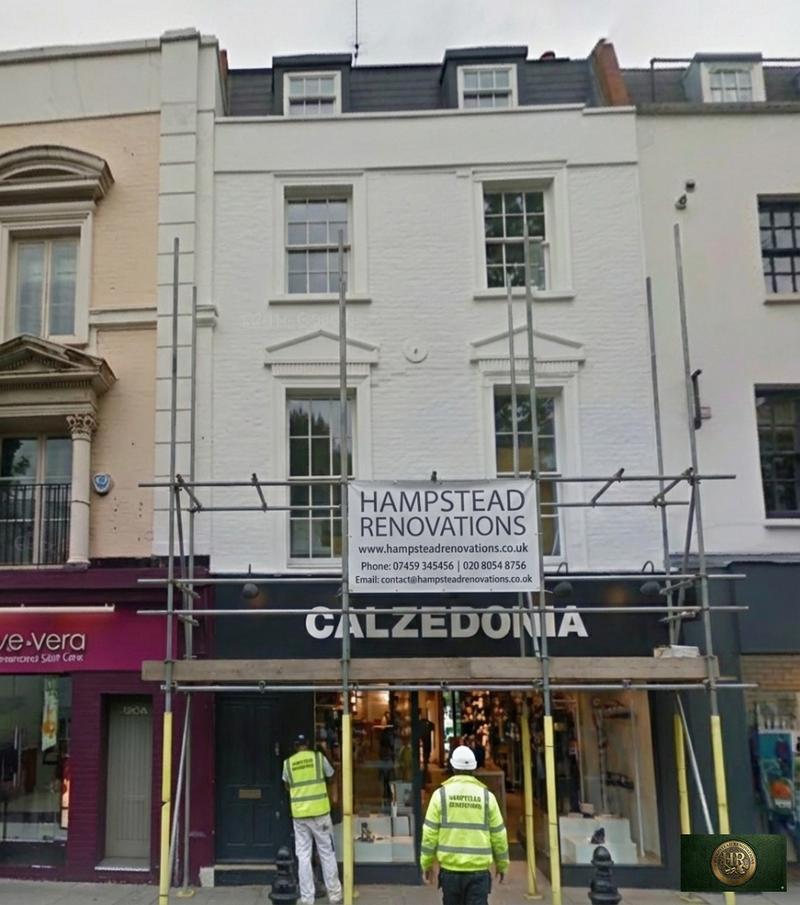
Office-to-retail and residential conversion delivering the Calzedonia store fit-out with three high-spec apartments above, preserving the original façade.
View Case Study →Use these area-specific guide pages to move from broad research into the main build routes people compare in Regent's Park NW1.
Most properties within the Nash terraces are held on Crown Estate leases. The Crown Estate Paving Commission is a separate authority that must approve all alterations — in addition to borough planning consent and Listed Building Consent. Our architects manage all three consent processes concurrently to minimise delays.
Yes, but every alteration — including internal changes such as moving a partition, changing a door, or updating a bathroom — requires Listed Building Consent. A heritage impact assessment and detailed conservation method statement must accompany each application. Our architects specialise in preparing these documents and have a strong track record of approvals.
Regent's Park renovations sit at the top of the London market. Heritage restoration of Grade I listed interiors typically costs £1,200–£2,500 per square metre. Ultra-prime full refurbishments range from £1,500–£3,000 per square metre. The dual-consent process (Crown Estate + borough + Listed Building) adds significant professional fees. All our projects are delivered on fixed-price contracts.
Nash terraces require specialist trades rarely needed in standard residential renovation: lime plasterers, stucco conservators, historic joinery reproductionists, decorative moulding specialists, and conservation-grade painters. Our network of approved heritage craftspeople is one of the most experienced in London.
Due to the complexity of the consent process (Crown Estate, borough planning, and Listed Building Consent), the design and approval phase alone typically takes 6–12 months. Construction for a full Nash terrace refurbishment usually takes 12–18 months. Total project timelines of 18–24 months are standard for significant Regent's Park renovations.
Yes. Our in-house RIBA architects manage all three consent streams: Crown Estate Paving Commission approval, borough planning permission (Camden or Westminster), and Listed Building Consent. We coordinate all applications concurrently and attend hearings on your behalf.
Our initial consultation is free and carries no obligation. Visit our design studio on Finchley Road to explore material selections, meet our team, and discuss your project in person.