Primrose Hill is one of London's most photogenic and tightly protected residential enclaves — a village of pastel-painted Victorian terraces wrapped around the iconic hill with its panoramic skyline views. From our nearby Finchley Road studio, our architects specialise in the rear extensions, lower-ground conversions, and sensitive heritage renovations that Camden's Article 4 Direction and conservation area constraints demand.
Primrose Hill takes its name from the 78-metre hill in Regent's Park that offers one of London's most famous panoramic views. Below the hill, the village is defined by the Chalcot Estate — a tight grid of early-to-mid Victorian terraced streets painted in the distinctive pastel palette that has made Chalcot Square and Chalcot Crescent among the most photographed streetscapes in London.
The housing stock is predominantly Victorian — three- and four-storey terraced houses with stucco or brick facades, many retaining original ironwork balconies, decorative mouldings, and slate roofs. Along Regent's Park Road and Gloucester Avenue, larger semi-detached and detached stucco villas command premium prices. The village atmosphere is intensified by the independent shops, cafés, and restaurants that line Regent's Park Road — creating a self-contained community feel unusual in central London.
For homeowners in NW1, the key planning constraint is Camden's Article 4 Direction — which removes permitted development rights throughout the conservation area. This means even minor external changes that would normally be permitted (replacing windows, adding a rear dormer, painting your facade) require full planning permission. Camden also applies a strict 50% garden coverage rule for rear extensions. Our architects navigate these constraints daily and have an excellent track record of Camden approvals for Primrose Hill properties.
That negotiation is what we do. Our design studio is on Finchley Road. Our architects have worked with Camden's planning team on hundreds of applications. We understand the constraints because we live within them.
From Victorian terrace extensions to lower-ground conversions, every service shaped by our deep knowledge of Camden's Article 4 Direction and conservation area constraints.
Rear and wraparound extensions to Primrose Hill's Victorian terraces. Structural glazing, bi-fold doors, and open-plan kitchen-diners designed to comply with Camden's 50% garden coverage rule and conservation area constraints.
Transforming dark, underused Victorian lower-ground floors into bright, functional living space. Lightwells, glazed rear walls, and excavation to create additional ceiling height — the most popular renovation in Primrose Hill.
Complete transformation of a Primrose Hill Victorian terrace from top to bottom. Structural work, M&E renewal, bespoke kitchens, luxury bathrooms, and period feature restoration throughout.
Rear dormer and L-shaped mansard conversions. Article 4 means planning permission is required even for rear dormers in Primrose Hill.
Full-height basement excavation beneath Victorian terraces. Underpinning, waterproofing, and lightwell installation for NW1 London clay.
Bespoke kitchen design for period homes. Heritage proportions, contemporary performance.
Victorian restoration and contemporary luxury. Marble, stone, and bespoke joinery.
RIBA architects. Conservation area applications, 3D visualisation, construction drawings.
Chartered engineers. Wall removal, steel beams, underpinning, and foundations in NW1.
Period-appropriate schemes. Material selection, space planning, furniture specification.
Camden planning expertise. Article 4 Direction, conservation area, and 50% garden rule compliance.
Grade I, II* and II listed property expertise. Listed Building Consent managed in-house.
Specialist renovation of Primrose Hill's pastel-painted terraces, stucco villas, and period cottages.
Full Party Wall Act management through our RICS chartered surveying practice.
RICS condition surveys via Hampstead Chartered Surveyors & Building Consultancy.
Primrose Hill falls under the London Borough of Camden (Article 4). The Primrose Hill Conservation Area is one of the largest in London and covers virtually the entire village, The Article 4 Direction removes permitted development rights. Planning permission is required for virtually all external works, and Camden applies rigorous design standards.
While fewer properties are individually listed compared to Primrose Hill, the conservation area and Article 4 Direction together create one of the most tightly controlled planning environments in London. Even internal structural works require Building Control approval and careful consideration of party wall implications in the tightly-packed terrace streets. Our architects have extensive experience navigating Camden's specific requirements for Primrose Hill properties.
View Camden planning portal →Primrose Hill Conservation Area covers the entire village. Camden's Article 4 Direction removes all permitted development rights.
Permitted development rights are removed throughout Primrose Hill. Full planning permission required even for rear dormers, window replacements, and facade alterations.
Camden limits rear extension footprint to 50% of the original garden area. Extensions must not exceed the existing rear building line by more than 3 metres in most cases.
Camden offers pre-application services. Essential for Article 4 properties and any works affecting the front elevation or roofline.
Realistic cost ranges for the most common project types in Primrose Hill. Heritage and conservation requirements typically add 10–20% to standard London pricing.
The pastel terraces, artistic residents, and Chalcot Estate history that shaped London's most colourful village.
The story of the Chalcot Estate — from farmland to the pastel-painted streetscapes that define Primrose Hill's identity.
How the 78-metre hill and its panoramic London skyline views drove the development of one of the city's most desirable enclaves.
From Sylvia Plath on Chalcot Square to the 1990s Britpop scene — the creative residents who made NW1 a cultural landmark.
Selected projects from across London.

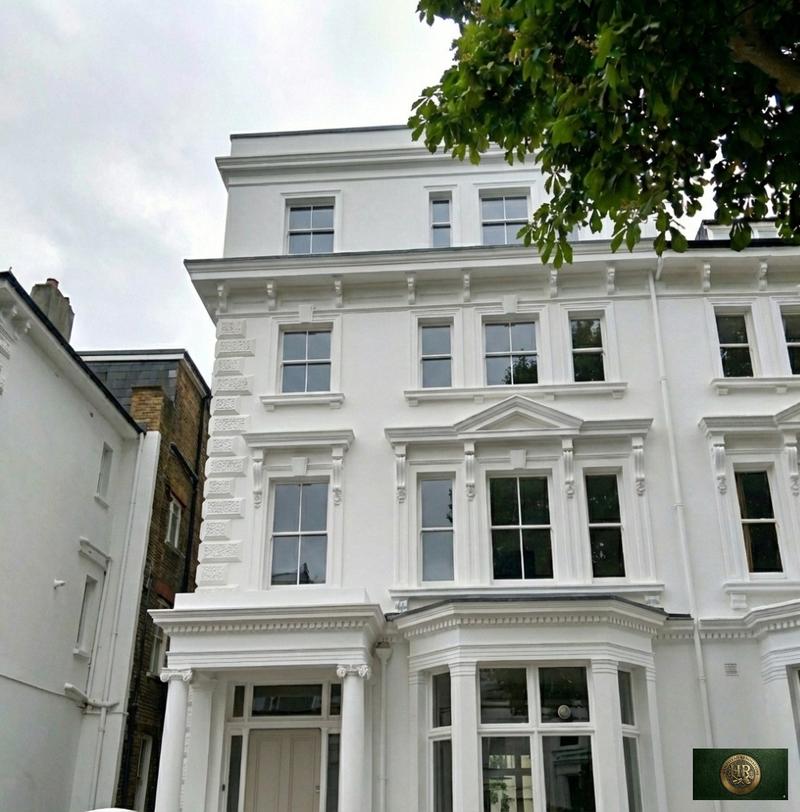
Five-storey house extension, full basement conversion, loft conversion and complete refurbishment within Belsize Park’s conservation area.
View Case Study →
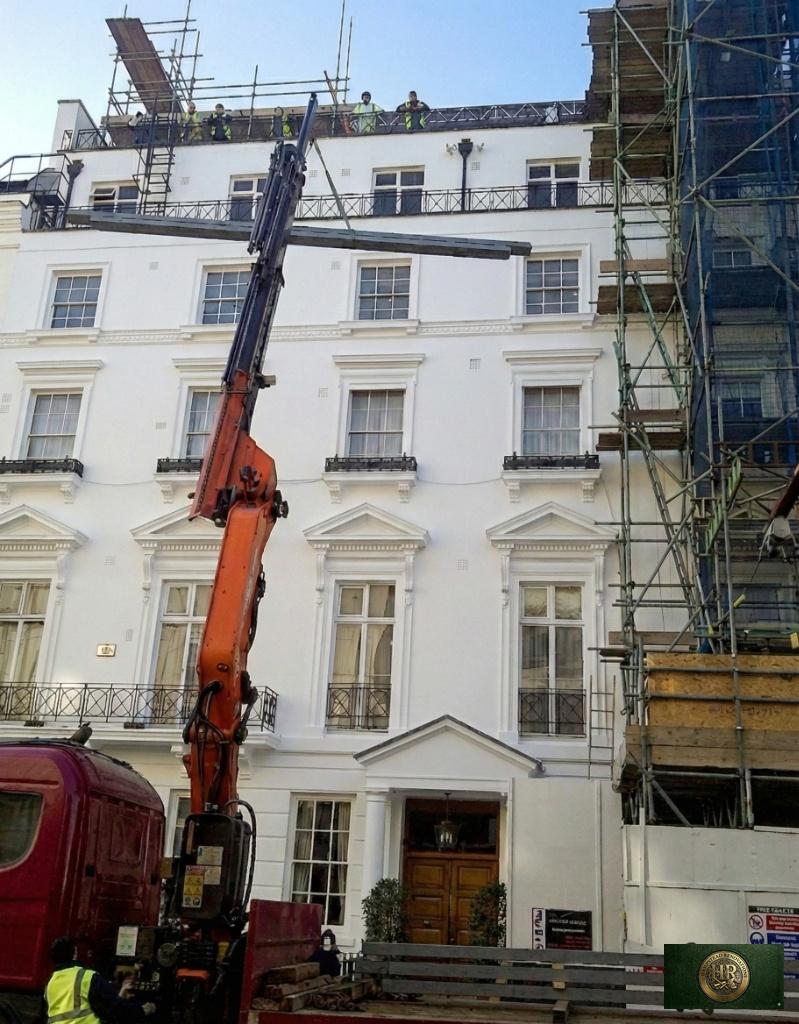
Penthouse duplex refurbishment and roof reconstruction within a Grade II listed setting, unifying the top two levels into seamless luxury living.
View Case Study →
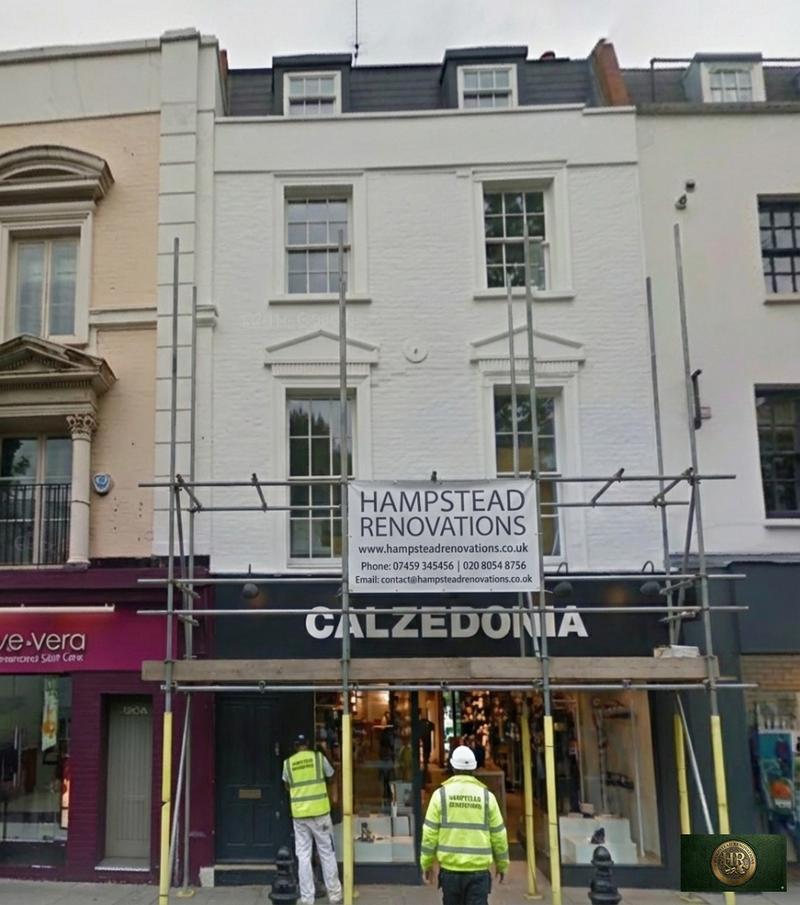
Office-to-retail and residential conversion delivering the Calzedonia store fit-out with three high-spec apartments above, preserving the original façade.
View Case Study →Use these area-specific guide pages to move from broad research into the main build routes people compare in Primrose Hill NW1.
Camden has applied an Article 4 Direction to Primrose Hill, which removes your permitted development rights. This means planning permission is required for external changes that would normally be automatic — including replacing windows, adding rear dormers, painting your facade, and even changing your front door. Our architects prepare all Article 4 planning applications in-house. View Camden's conservation area guidance →
Only with planning permission. The pastel colour palette is one of Primrose Hill's most distinctive features, and Camden carefully controls facade colours to maintain the area's character. If you wish to repaint, you'll need to submit a planning application with your proposed colour. Our architects can advise on colours that Camden is likely to approve.
Camden's 50% garden coverage rule limits the total built footprint (including the extension) to 50% of the original garden area. In practice, most Primrose Hill rear extensions are limited to about 3 metres beyond the existing rear wall. Our architects design extensions to maximise the permitted footprint while maintaining a usable garden. All projects are delivered on fixed-price contracts.
Yes — the entire village is within the Primrose Hill Conservation Area, managed by the London Borough of Camden. Combined with the Article 4 Direction, this creates one of the most tightly controlled planning environments in London. Almost all external works require planning permission. Our architects navigate Camden's requirements daily.
Yes — lower-ground conversions are the most popular renovation in Primrose Hill. Many Victorian terraces have underused lower-ground floors that can be transformed into bright, open-plan living spaces with rear lightwells and glazed walls. The works are largely internal so do not usually require planning permission, though structural changes need Building Control approval and party wall considerations apply.
Yes — in Primrose Hill, unlike most of London, rear dormers require full planning permission due to the Article 4 Direction. Camden will assess the dormer's design, materials, and impact on the roofscape. L-shaped mansard conversions and traditional rear dormers are generally the most approvable forms. Our architects have secured numerous Article 4 dormer approvals in NW1.
Our initial consultation is free and carries no obligation. Visit our design studio on Finchley Road to explore material selections, meet our team, and discuss your project in person.