Kentish Town is one of North London's most exciting renovation hotspots — a neighbourhood of solid Victorian terraces with enormous potential for transformation through side-return extensions, loft conversions, and full refurbishments. From our nearby Finchley Road studio, our architects specialise in unlocking the potential of NW5's classic terraced houses within Camden's planning framework.
Kentish Town was built rapidly in the mid-to-late Victorian period as railway workers and middle-class families filled the streets between the Gospel Oak and Camden Town railway junctions. The result is a tightly-packed grid of two- and three-storey brick terraced houses — the classic London Victorian terrace — with bay windows, original fireplaces, and narrow side returns that offer the single best opportunity for extension in NW5.
The housing stock is dominated by mid-Victorian terraces — two-storey plus basement, or three-storey brick-fronted houses with slate or clay-tile roofs. Many retain original features: cornicing, ceiling roses, fireplaces, and encaustic hall tiles. The narrow side returns — the alleyway between the house and the boundary wall — present the best extension opportunity, allowing homeowners to create a significantly larger kitchen-diner without losing garden space.
For homeowners in NW5, the renovation opportunity is clear and well-established. Side-return extensions, rear extensions, and loft conversions are the three most popular projects — and Camden's planning team is familiar with all of them. Parts of Kentish Town fall within conservation areas, but much of the neighbourhood sits outside them, making permitted development a viable route for many projects. Our architects design extensions that maximise space, light, and value within Camden's planning framework.
That negotiation is what we do. Our design studio is on Finchley Road. Our architects have worked with Camden's planning team on hundreds of applications. We understand the constraints because we live within them.
From side-return extensions to loft conversions, every service shaped by our deep knowledge of Victorian terrace renovation and Camden's planning framework.
The signature NW5 renovation — infilling the narrow side return to create a significantly larger kitchen-diner. Structural glazing, rooflights, and bi-fold doors to the garden. The most cost-effective way to transform a Victorian terrace.
Rear dormer and L-shaped mansard conversions for NW5 terraced houses. Creating an extra bedroom and bathroom on the top floor — the second most popular project in Kentish Town.
Complete transformation of a Victorian terrace from top to bottom. Structural work, rewiring, replumbing, bespoke kitchen, luxury bathrooms, original feature restoration, and contemporary insulation standards throughout.
Single and double-storey rear extensions for NW5 terraces. Open-plan kitchen-diners with garden access through bi-fold or sliding doors.
Lowering existing Victorian cellars to full standing height, or excavating new basements beneath terraced houses. Underpinning and waterproofing for NW5 clay soils.
Bespoke kitchen design for period homes. Heritage proportions, contemporary performance.
Victorian restoration and contemporary luxury. Marble, stone, and bespoke joinery.
RIBA architects. Conservation area applications, 3D visualisation, construction drawings.
Chartered engineers. Wall removal, steel beams, underpinning, and foundations in NW5.
Period-appropriate schemes. Material selection, space planning, furniture specification.
Camden planning expertise. Permitted development, conservation area constraints, and terrace-specific party wall management.
Grade I, II* and II listed property expertise. Listed Building Consent managed in-house.
Specialist renovation of Kentish Town's Victorian terraces, including original feature restoration and period-appropriate repairs.
Full Party Wall Act management through our RICS chartered surveying practice.
RICS condition surveys via Hampstead Chartered Surveyors & Building Consultancy.
Kentish Town falls under the London Borough of Camden. Parts of the neighbourhood are within conservation areas, but many streets sit outside them — meaning permitted development rights apply for rear extensions, loft conversions, and outbuildings. Camden is one of London's most experienced planning authorities for Victorian terrace renovations and has well-established design guidance.
Victorian terraces in NW5 are predominantly unlisted, though some streets have conservation area controls. Party wall agreements are essential for terraced houses and must be in place before structural works begin. Our architects and project managers handle Party Wall Act notices, schedules of condition, and all neighbour coordination as standard.
View Camden planning portal →Partial conservation area coverage in Kentish Town. Many streets benefit from permitted development rights for rear extensions and loft conversions.
Victorian terraces share party walls with neighbours on both sides. Party wall agreements under the Party Wall etc. Act 1996 are required before any structural works. We manage the entire process.
Many NW5 terraces qualify for permitted development rights. Rear extensions up to 3m (or 6m under prior approval) and rear dormers can often be built without a full planning application.
Camden offers pre-application services. Essential for listed buildings and complex conservation area proposals in NW5.
Realistic cost ranges for the most common project types in Kentish Town. Heritage and conservation requirements typically add 10–20% to standard London pricing.
The Victorian terraces, railway heritage, and the neighbourhood renaissance that's transforming NW5.
How the Midland Railway and Gospel Oak junction drove an explosion of terraced house building in the 1860s–1880s.
The design innovation that lets you gain 30% kitchen space without losing any garden — and why it's the most popular renovation in Kentish Town.
From the Forum music venue to the independent shops of Fortess Road — the cultural renaissance that's making NW5 one of North London's most vibrant neighbourhoods.
Selected projects from across London.

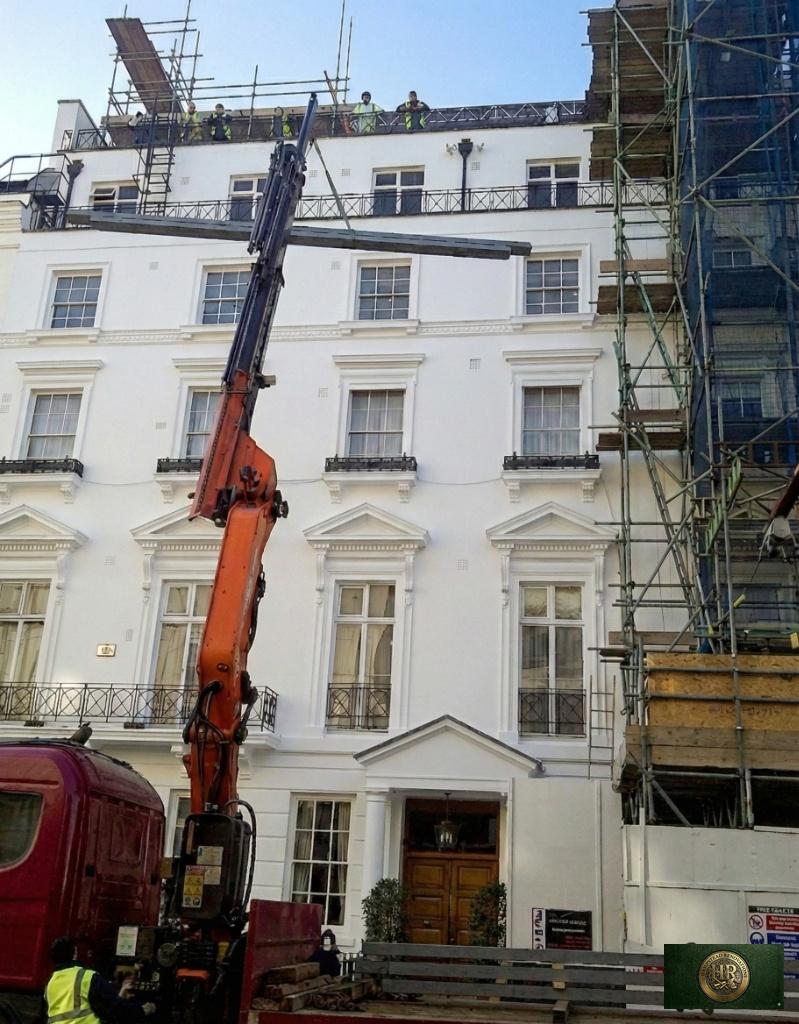
Five-storey house extension, full basement conversion, loft conversion and complete refurbishment within Belsize Park’s conservation area.
View Case Study →
Penthouse duplex refurbishment and roof reconstruction within a Grade II listed setting, unifying the top two levels into seamless luxury living.
View Case Study →
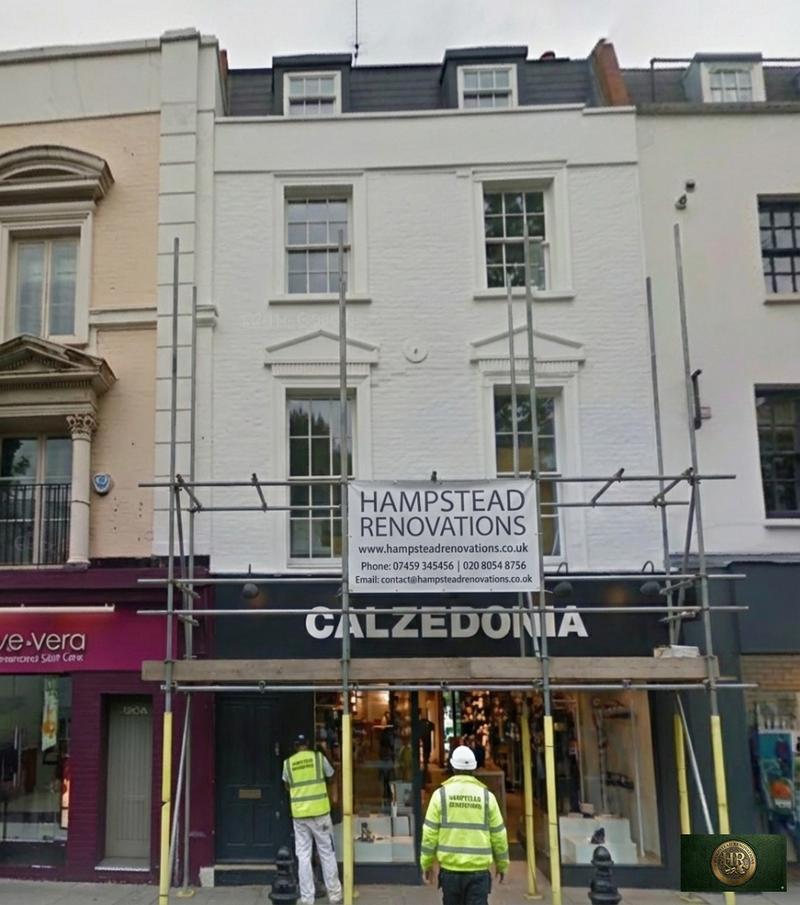
Office-to-retail and residential conversion delivering the Calzedonia store fit-out with three high-spec apartments above, preserving the original façade.
View Case Study →Use these area-specific guide pages to move from broad research into the main build routes people compare in Kentish Town NW5.
A side-return extension infills the narrow alleyway between your house and the boundary wall — typically 0.9m to 1.5m wide. This allows you to create a significantly wider kitchen-diner without extending further into the garden. It's the most popular and cost-effective renovation in Kentish Town, typically adding 30% to your kitchen space. View Camden planning guidance →
Almost certainly yes. Victorian terraces share structural walls with neighbours on both sides, and any structural works (extensions, loft conversions, basement works) trigger the Party Wall etc. Act 1996. We serve Party Wall notices, commission schedules of condition, and manage all neighbour correspondence as a standard part of every terrace renovation.
Side-return extensions in NW5 typically cost £2,200–£3,500 per sqm, making them one of the most cost-effective ways to add space to a Victorian terrace. A typical side-return adds 8–15 square metres. Combined with a rear extension, you can often create a kitchen-diner twice the size of the original room. All projects delivered on fixed-price contracts.
With average NW5 house prices above £900,000, extending is almost always more cost-effective than moving. A side-return extension and loft conversion can transform a 3-bedroom terrace into a 4-bedroom family home for £120,000–£200,000 — a fraction of the cost of trading up. Our architects can show you exactly what's possible with your property.
In many cases, yes. Rear dormers on terraced houses can often be built under permitted development rights (subject to Camden's conditions), avoiding a planning application. L-shaped mansard conversions typically require full planning permission. Our architects assess your property's specific situation and advise on the fastest, most cost-effective route.
A side-return extension takes 10–14 weeks on site. A loft conversion takes 8–12 weeks. A combined side-return + loft + full refurbishment typically takes 20–28 weeks. Planning permission (where needed) adds 8–12 weeks before construction starts. We provide detailed project timelines at the design stage.
Our initial consultation is free and carries no obligation. Visit our design studio on Finchley Road to explore material selections, meet our team, and discuss your project in person.