Highgate is London's most dramatically elevated residential village — a hilltop settlement at 130 metres with sweeping views across the city, anchored by the Gothic splendour of Highgate Cemetery and the parkland of Waterlow Park. Uniquely, the village straddles three London boroughs: Camden, Haringey, and Islington — each with different planning policies. From our nearby studio, our architects navigate this complex multi-borough landscape daily.
Highgate has been a hilltop settlement since the 14th century, when the Bishop of London established a tollgate on the road to the north. The village retains its medieval street pattern — The Grove, South Grove, and Highgate High Street form a compact Georgian core of extraordinary quality, with early 18th-century brick townhouses, coaching inns, and a concentration of Grade II* and Grade I listed buildings that rivals any village in England.
Beyond the Georgian core, the housing stock extends through substantial Victorian villas along Cromwell Avenue and Bisham Gardens, Edwardian Arts & Crafts houses on the Holly Lodge Estate, and significant 20th-century homes including Berthold Lubetkin's Highpoint I and II — Grade I and II* listed masterpieces of International Modernism. The dramatic topography means many properties are built into the hillside, with split levels, retaining walls, and basement arrangements that create unique structural and engineering challenges for renovation.
For homeowners in N6, the unique challenge is the split borough jurisdiction. Your property might fall under Camden, Haringey, or Islington — and each has different planning policies, conservation area guidelines, and tree protection orders. A project on one side of Highgate High Street might be governed by completely different rules to a property 50 metres away. Our architects know exactly which authority governs each street and have established relationships with all three planning departments.
That negotiation is what we do. Our design studio is on Finchley Road. Our architects have worked with Camden's planning team on hundreds of applications. We understand the constraints because we live within them.
From Georgian hilltop restoration to hillside extensions, every service shaped by our deep knowledge of the three-borough planning landscape and Highgate's unique topographical challenges.
Rear, side, and wraparound extensions designed for Highgate's dramatic topography. Split-level designs, retaining wall engineering, and conservation area expertise across Camden, Haringey, and Islington.
Specialist restoration of Highgate's Georgian townhouses and Victorian villas. Original brickwork repair, sash window restoration, period joinery, and sensitive internal modernisation behind heritage facades.
Complete transformation of Highgate's period properties. Structural work, M&E renewal, bespoke kitchens and bathrooms, and the hillside structural engineering that many N6 properties demand.
Dormer and mansard conversions respecting Highgate's rooflines and ridge heights.
Basement conversions and hillside excavation for split-level properties. Retaining wall engineering, waterproofing, and structural solutions for N6's challenging topography.
Bespoke kitchen design for period homes. Heritage proportions, contemporary performance.
Victorian restoration and contemporary luxury. Marble, stone, and bespoke joinery.
RIBA architects. Conservation area applications, 3D visualisation, construction drawings.
Chartered engineers. Wall removal, steel beams, underpinning, and foundations in N6.
Period-appropriate schemes. Material selection, space planning, furniture specification.
Multi-borough planning expertise. Camden, Haringey, and Islington conservation area, listed building, and permitted development.
Grade I, II* and II listed property expertise. Listed Building Consent managed in-house.
Specialist renovation of Highgate's Georgian townhouses, Victorian villas, and Holly Lodge Estate properties.
Full Party Wall Act management through our RICS chartered surveying practice.
RICS condition surveys via Hampstead Chartered Surveyors & Building Consultancy.
Highgate falls under the Camden, Haringey & Islington (split). The Highgate Conservation Area is one of the largest in London and covers virtually the entire village, spanning Camden, Haringey, and Islington. Planning permission is required for almost all external works, and each borough applies its own design standards.
Highgate contains some of London's most important listed buildings, from the Grade I listed Highpoint I by Berthold Lubetkin to the Grade II* Georgian houses on The Grove and South Grove. The proximity of Highgate Cemetery — a Site of Metropolitan Importance for Nature Conservation — introduces additional ecological constraints for nearby properties. Our architects have established relationships with all three planning departments and understand the subtle differences in each borough's approach.
View Camden planning portal →Highgate Conservation Area spans all three boroughs. Each applies its own design standards, creating a complex multi-authority planning environment.
Camden, Haringey, and Islington each govern different parts of Highgate. Your planning authority — and the rules that apply — depend on which side of the boundary your property sits.
Properties near Highgate Cemetery and Waterlow Park face additional ecological, landscape, and heritage constraints. Root protection zones and wildlife considerations affect design.
All three boroughs offer pre-application services. Essential for establishing which authority governs your property and understanding their specific requirements.
Realistic cost ranges for the most common project types in Highgate. Heritage and conservation requirements typically add 10–20% to standard London pricing.
Georgian grandeur, Gothic cemeteries, Modernist icons, and the three boroughs that govern London's hilltop village.
The story of the Gothic cemetery, from the graves of Karl Marx and George Eliot to its role as a Site of Metropolitan Importance for Nature Conservation.
A guide to the exquisite early 18th-century townhouses that make Highgate Village one of London's most perfectly preserved Georgian enclaves.
How Berthold Lubetkin's Grade I listed apartment block became one of the most important buildings in 20th-century British architecture.
Selected projects from across London.

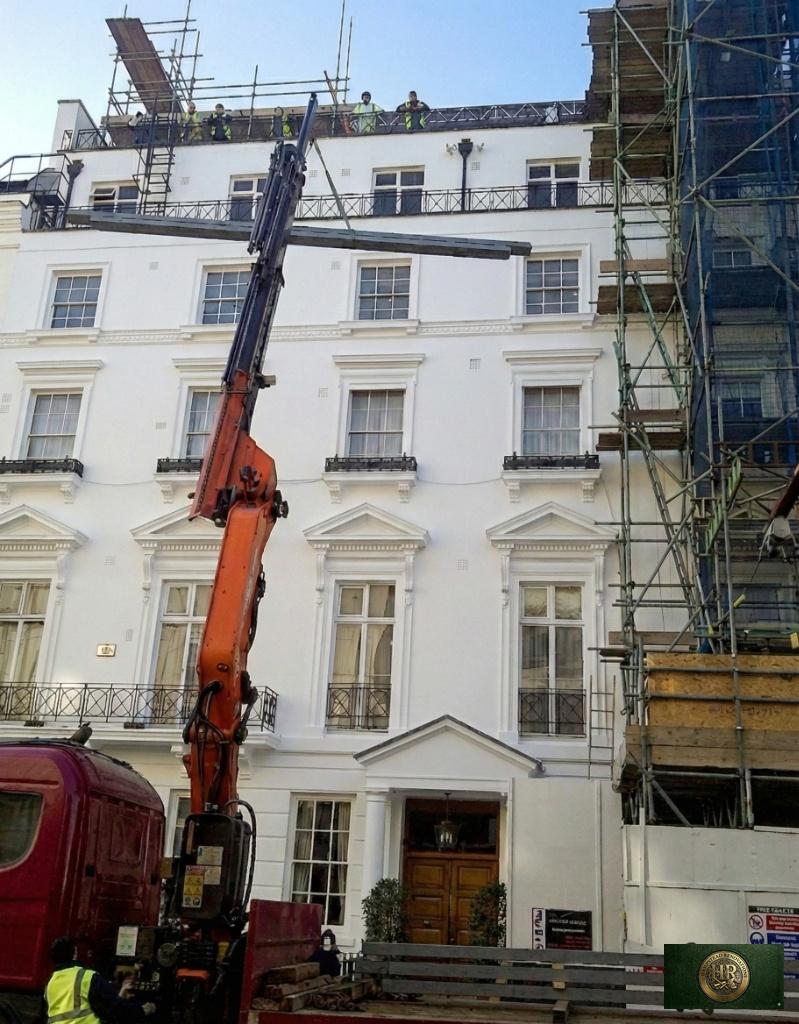
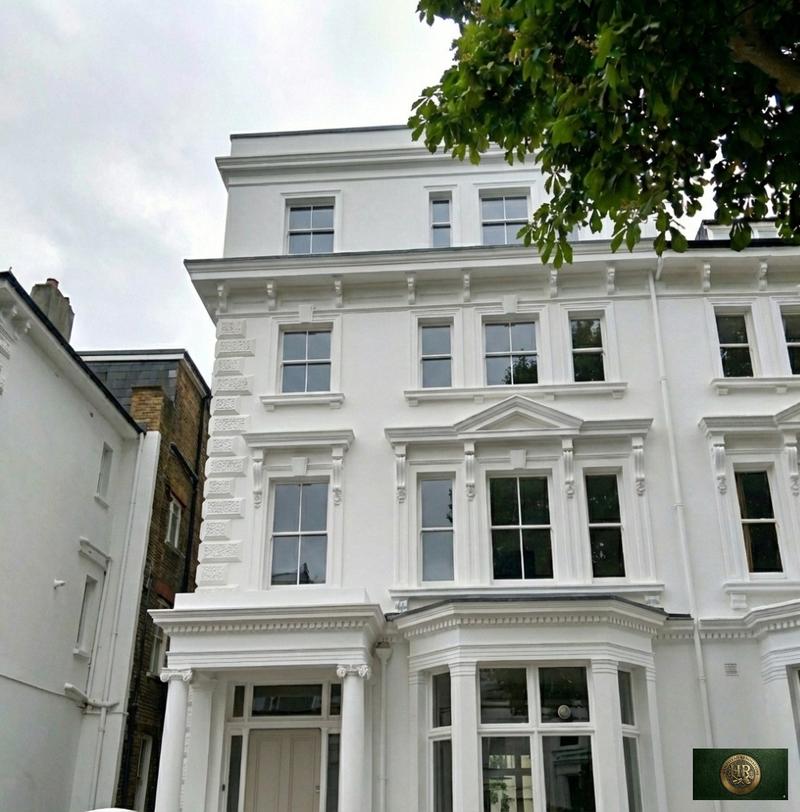
Five-storey house extension, full basement conversion, loft conversion and complete refurbishment within Belsize Park’s conservation area.
View Case Study →
Penthouse duplex refurbishment and roof reconstruction within a Grade II listed setting, unifying the top two levels into seamless luxury living.
View Case Study →
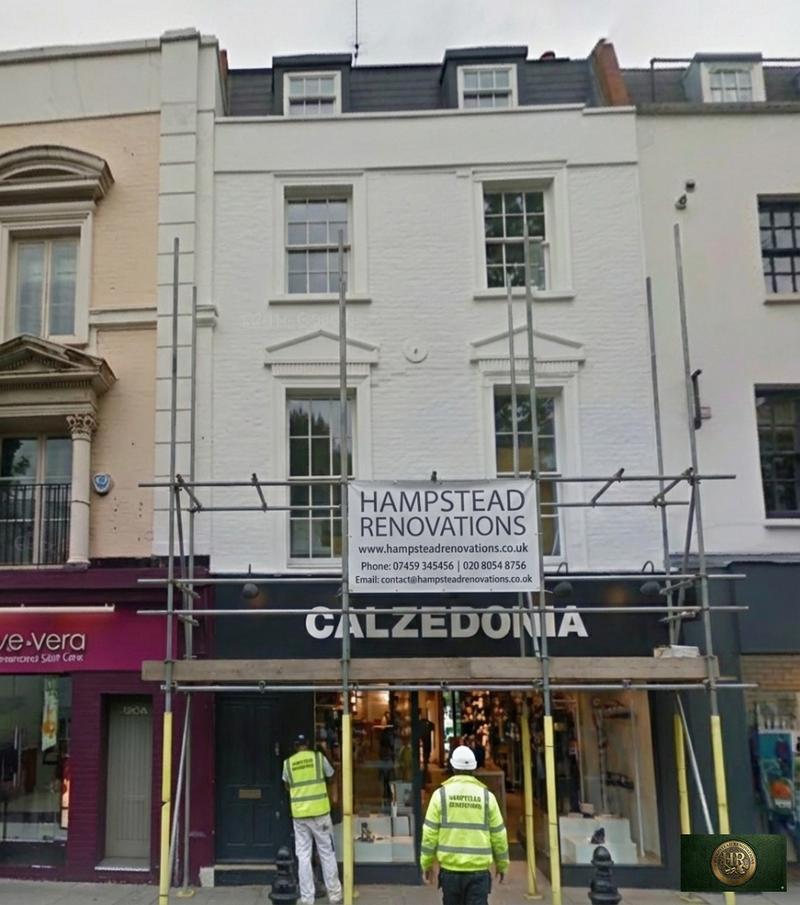
Office-to-retail and residential conversion delivering the Calzedonia store fit-out with three high-spec apartments above, preserving the original façade.
View Case Study →Use these area-specific guide pages to move from broad research into the main build routes people compare in Highgate N6.
Highgate straddles Camden, Haringey, and Islington. Your planning authority depends on your exact address. Properties on The Grove and much of the village core fall under Camden. Properties on the eastern slopes (Hornsey Lane, Cholmeley Park) fall under Haringey. A small number of properties near Archway fall under Islington. Our architects know exactly which authority governs each street and have relationships with all three planning teams.
Yes, significantly. Many Highgate properties are built into the hillside with split levels, retaining walls, and challenging ground conditions. Extensions often require specialist hillside engineering — retaining wall design, drainage management, and careful consideration of the impact on neighbouring properties' stability. Our chartered structural engineers specialise in hillside works in N6.
Hillside extensions in N6 typically cost £3,000–£5,000 per square metre due to the additional structural engineering required. Full refurbishments range from £550–£950 per square metre. Georgian townhouse restorations on The Grove can reach £700–£1,200 per square metre for heritage-grade work. All projects are delivered on fixed-price contracts.
Yes, subject to Listed Building Consent (most properties on these streets are Grade II or II* listed) and Camden conservation area approval. Extensions must be at the rear, must not be visible from the street, and must use period-appropriate materials and detailing. Our architects have experience with Listed Building Consent applications for Highgate's most important Georgian properties.
Yes. Properties adjacent to Highgate Cemetery face additional ecological constraints. The cemetery is a Site of Metropolitan Importance for Nature Conservation, and tree root protection zones, wildlife corridors, and visual impact assessments may be required for works on neighbouring sites. Our architects understand these requirements and factor them into all designs for cemetery-adjacent properties.
Yes. Our in-house RIBA architects manage planning applications to Camden, Haringey, and Islington. We determine which authority governs your property, prepare all necessary documents to that borough's specific requirements, and manage the application through to approval. We also handle cross-boundary situations where a project may involve interactions with more than one authority.
Our initial consultation is free and carries no obligation. Visit our design studio on Finchley Road to explore material selections, meet our team, and discuss your project in person.