Properties bordering Hampstead Heath occupy some of London's most prestigious and environmentally sensitive locations. The 800-acre ancient heathland — rising to 134 metres — creates unique planning constraints around landscape impact, tree protection, ecology, and sight lines that affect every renovation on the Heath's perimeter. From our Finchley Road studio, our architects specialise in navigating these additional layers of planning complexity.
Hampstead Heath is London's greatest open space — 800 acres of ancient meadows, woodlands, and ponds stretching from Kenwood House in the north to Parliament Hill in the south. Properties bordering the Heath command extraordinary premiums, but they also face additional planning constraints that don't apply elsewhere. The City of London Corporation manages the Heath, and their landscape policies directly influence what neighbouring homeowners can and cannot build.
The properties surrounding the Heath are among London's finest — Georgian houses on the eastern edge near Kenwood, substantial Victorian villas along South End Road and East Heath Road, Edwardian properties on Parliament Hill, and modernist interventions like the Isokon Building on Lawn Road. They span multiple postcodes (NW3, NW5, N6) and multiple boroughs (Camden and Haringey), creating a complex planning landscape.
For Heath-adjacent homeowners, planning constraints are among the most demanding in London. Conservation area status, individual listing, Tree Preservation Orders, ecological impact assessments, and the City of London's landscape protection policies all apply. Any extension visible from the Heath faces particular scrutiny. Our architects understand these overlapping constraints and have extensive experience achieving ambitious renovations within them.
That negotiation is what we do. Our design studio is on Finchley Road. Our architects have worked with Camden's planning team on hundreds of applications. We understand the constraints because we live within them.
From Heath-sensitive extensions to heritage restoration, every service shaped by our deep understanding of the ecological, landscape, and heritage constraints unique to Heath-adjacent properties.
Additions designed to be invisible from the Heath. Rear extensions with landscape-integrated design, living roofs, and materials selected to complement rather than contrast with the natural setting.
Listed building and heritage property restoration for the finest houses on the Heath perimeter. Period-appropriate materials, original feature conservation, and sensitive modernisation behind historic facades.
Complete transformation of Heath-adjacent period properties. Structural work, M&E renewal, bespoke interiors, and the specialist structural engineering that hillside and Heath-edge sites demand.
Dormer and mansard conversions respecting Hampstead Heath's rooflines and ridge heights.
Below-ground excavation for Heath-adjacent properties. Specialist hydrology assessment, waterproofing for high water table areas, and Construction Management Plans required by Camden.
Bespoke kitchen design for period homes. Heritage proportions, contemporary performance.
Victorian restoration and contemporary luxury. Marble, stone, and bespoke joinery.
RIBA architects. Conservation area applications, 3D visualisation, construction drawings.
Chartered engineers. Wall removal, steel beams, underpinning, and foundations in NW3.
Period-appropriate schemes. Material selection, space planning, furniture specification.
Multi-authority planning. Camden, Haringey, and City of London landscape coordination for Heath-adjacent properties.
Grade I, II* and II listed property expertise. Listed Building Consent managed in-house.
Specialist renovation of the finest Georgian, Victorian, and Edwardian properties around Hampstead Heath's perimeter.
Full Party Wall Act management through our RICS chartered surveying practice.
RICS condition surveys including ecological and arboricultural assessments for Heath-adjacent sites & Building Consultancy.
Hampstead Heath falls under the Camden & Haringey (+ City of London for Heath). The Hampstead Heath Conservation Area is one of the largest in London and covers virtually the entire village, surrounding the Heath on all sides. The City of London Corporation is a statutory consultee on adjacent planning applications.
Tree Protection Orders are extensive around the Heath perimeter, and arboricultural impact assessments are often required before planning approval. Ecological surveys may be needed where works could affect bat habitats, nesting birds, or other protected species. Any extension or roof elevation visible from the Heath will be assessed for its landscape impact. Our architects prepare all supporting ecological and arboricultural documentation as standard.
View Camden planning portal →Conservation areas surround the entire Heath perimeter. The City of London Corporation is a statutory consultee on adjacent planning applications.
Extensive TPOs around the Heath perimeter. Arboricultural impact assessments are typically required for any works within root protection zones of protected trees.
Bat surveys, nesting bird assessments, and landscape impact studies may be required. Extensions visible from the Heath face particular scrutiny from both the borough and City of London.
Camden offers pre-application services. Essential for listed buildings and complex conservation area proposals in NW3.
Realistic cost ranges for the most common project types in Hampstead Heath. Heritage and conservation requirements typically add 10–20% to standard London pricing.
The ancient heathland, the ponds, the vistas, and the remarkable properties that line London's greatest open space.
How London's greatest open space was saved from development and the ongoing work of the City of London Corporation to protect it.
The story of the Grade I listed mansion, its Robert Adam interiors, and the Iveagh Bequest collection that makes it one of London's finest free historic houses.
How the bathing ponds, Parliament Hill Fields, and the panoramic city views became central to the identity of Heath-side living.
Selected projects from across London.

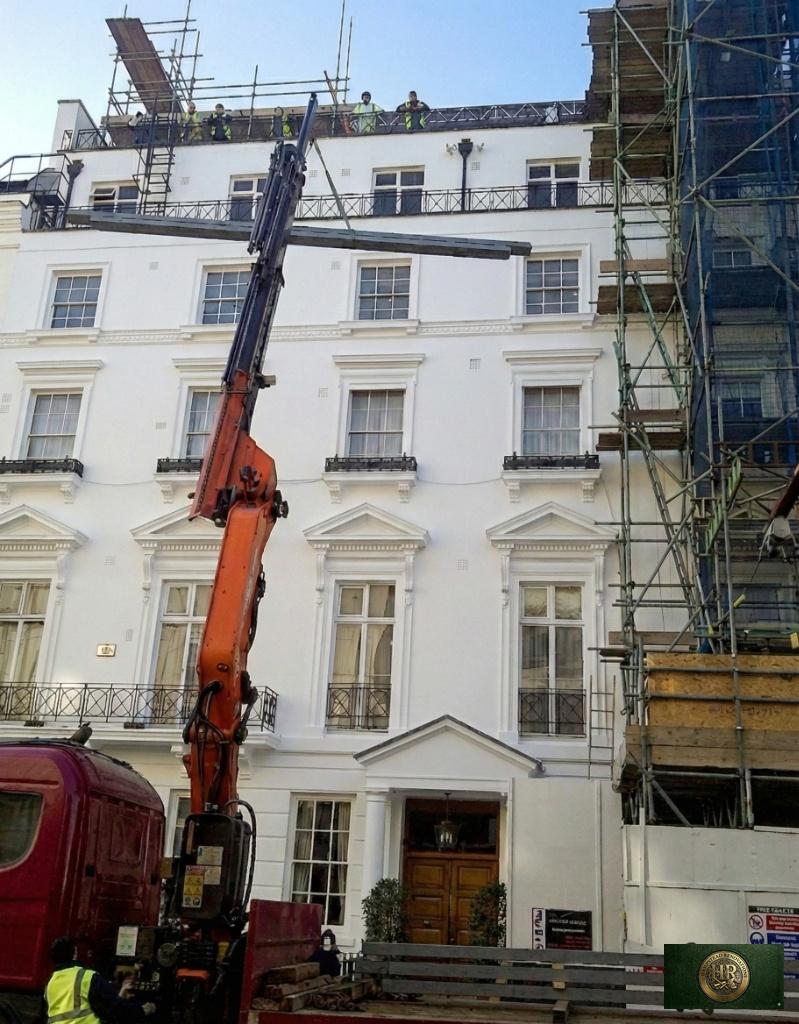
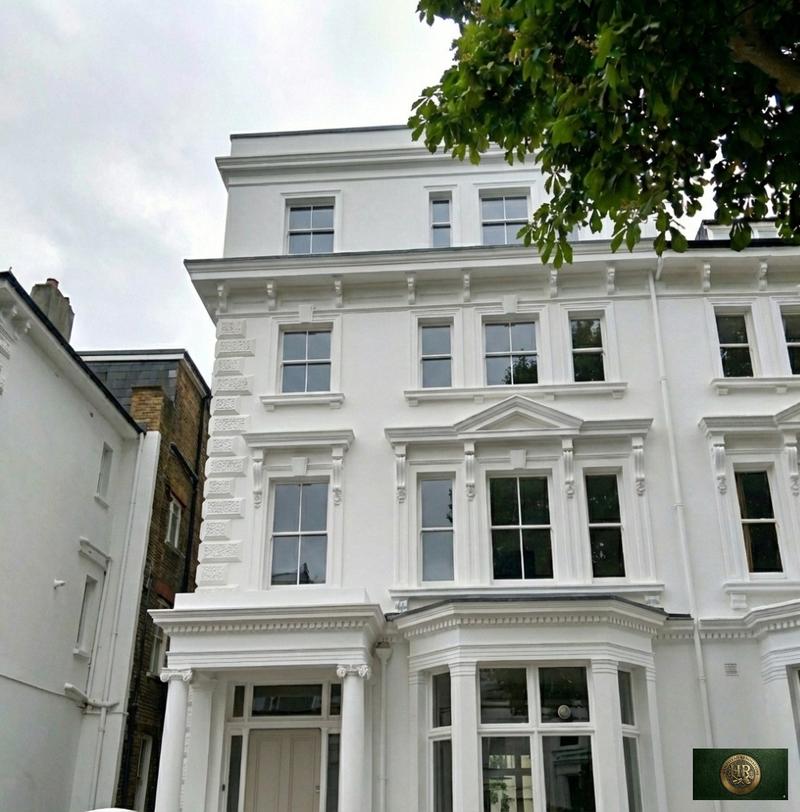
Five-storey house extension, full basement conversion, loft conversion and complete refurbishment within Belsize Park’s conservation area.
View Case Study →
Penthouse duplex refurbishment and roof reconstruction within a Grade II listed setting, unifying the top two levels into seamless luxury living.
View Case Study →
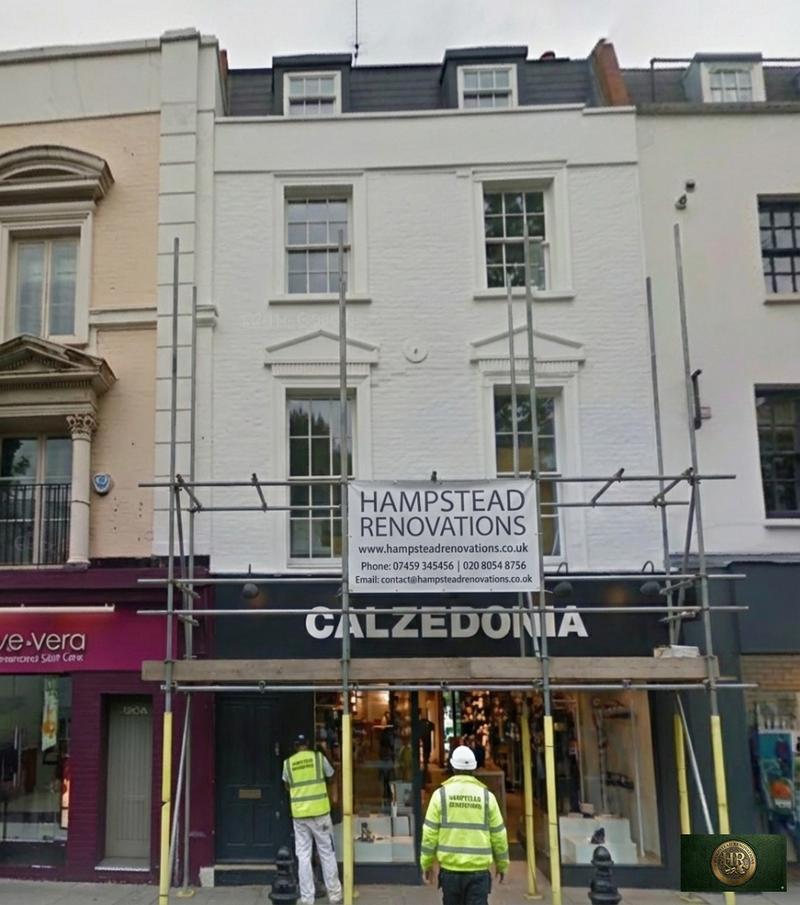
Office-to-retail and residential conversion delivering the Calzedonia store fit-out with three high-spec apartments above, preserving the original façade.
View Case Study →Use these area-specific guide pages to move from broad research into the main build routes people compare in Hampstead Heath NW3.
Yes. The City of London Corporation — which manages Hampstead Heath — is a statutory consultee on planning applications for adjacent properties. Any extension or roof alteration visible from the Heath will be assessed for its landscape impact. Our architects design extensions to minimise Heath-side visibility. View Camden's conservation guidance →
Likely yes. Heath-adjacent properties are near important wildlife habitats. Bat surveys (typically May–September), nesting bird checks, and sometimes broader ecological assessments may be required before planning approval. We commission and manage all ecological surveys as part of our design service.
Heath-adjacent extensions cost £3,200–£5,500 per sqm due to landscape integration, premium materials, and ecological survey requirements. Full refurbishments cost £550–£1,000 per sqm. The additional planning complexity adds approximately 15–25% to standard London pricing. All projects on fixed-price contracts.
Yes, subject to Camden's basement planning policies and a full hydrological assessment. The Heath's water table and drainage patterns must be considered. Camden typically requires a Construction Management Plan for basement works near the Heath. Our engineers assess ground conditions and hydrology at the design stage.
Yes. Extensive Tree Protection Orders apply around the Heath perimeter. Any works within root protection zones of protected trees require arboricultural impact assessments and possibly method statements. Construction methodology may need to be adapted to protect tree roots. Our architects commission arboricultural surveys early in the design process.
Properties around the Heath fall under either Camden or Haringey. The northern Heath edge (Kenwood area) is in Camden. Properties on the eastern side around Highgate may be in Haringey. Our architects determine your exact planning authority and navigate their specific requirements.
Our initial consultation is free and carries no obligation. Visit our design studio on Finchley Road to explore material selections, meet our team, and discuss your project in person.