Camden Town is North London's most architecturally diverse neighbourhood — where Victorian warehouse conversions along Regent's Canal sit alongside compact terraced streets, Georgian squares, and contemporary canal-side developments. From our nearby Finchley Road studio, our architects specialise in the unique challenges of renovating Camden's industrial heritage buildings, tight site access, and canal-side construction logistics.
Camden Town's character was forged by the Regent's Canal, cut through the area in the 1820s, and the railways that followed. The canal brought warehouses, wharves, stables, and workers' housing — creating a built environment entirely different from the affluent villa suburbs to the north. Today, these industrial buildings have been converted into some of London's most desirable loft-style living spaces.
The housing stock is uniquely varied. Victorian terraces on Rochester Road and Albert Street provide traditional family homes. Converted piano factories, warehouse lofts along the canal, and former stables offer dramatic open-plan living with double-height ceilings, exposed brick, and original cast-iron columns. Georgian squares like Camden Square combine classical elegance with conservation area protection.
For homeowners in NW1, Camden Town presents unique renovation challenges. Warehouse conversions have complex structural arrangements — cast-iron columns, timber trusses, and shared industrial spaces. Terraced houses often have tight rear access and party wall considerations. Canal-side properties face additional constraints from the Canal & River Trust. Camden Council manages several overlapping conservation areas, and many buildings are locally or statutorily listed.
That negotiation is what we do. Our design studio is on Finchley Road. Our architects have worked with Camden's planning team on hundreds of applications. We understand the constraints because we live within them.
From warehouse loft fit-outs to Victorian terrace extensions, every service shaped by our deep knowledge of Camden Town's diverse property types and canal-side constraints.
Complete fit-out of converted warehouse and loft spaces along Regent's Canal. Mezzanine installations, exposed brick and steelwork preservation, and contemporary kitchen and bathroom design within industrial shells.
Rear and side-return extensions to Camden Town's Victorian and Georgian terraces. Structural glazing, bi-fold doors, and open-plan kitchen-diners designed for tight terrace sites with limited rear access.
Complete transformation of Camden Town's diverse property types — from Victorian terraces to warehouse lofts to Georgian townhouses. Structural work, all trades, and expert project management.
Steel and timber mezzanine floors in double-height warehouse spaces. Maximising usable floor area while preserving the dramatic industrial proportions.
Specialist experience with canal-side properties. Canal & River Trust coordination, waterfront access logistics, and flood risk assessment management.
Bespoke kitchen design for period homes. Heritage proportions, contemporary performance.
Victorian restoration and contemporary luxury. Marble, stone, and bespoke joinery.
RIBA architects. Conservation area applications, 3D visualisation, construction drawings.
Chartered engineers. Wall removal, steel beams, underpinning, and foundations in NW1.
Period-appropriate schemes. Material selection, space planning, furniture specification.
Camden planning expertise. Conservation area constraints, warehouse conversion regulations, and Canal & River Trust coordination.
Grade I, II* and II listed property expertise. Listed Building Consent managed in-house.
Specialist renovation of Camden's warehouse lofts, Victorian terraces, and Georgian townhouses.
Full Party Wall Act management through our RICS chartered surveying practice.
RICS condition surveys via Hampstead Chartered Surveyors & Building Consultancy.
Camden Town falls under the London Borough of Camden. Multiple conservation areas overlap across the neighbourhood — including Camden Square, Camden Town, and the Regent's Canal Conservation Area. Canal-side properties face additional oversight from the Canal & River Trust. Planning permission is required for most external works, and Camden applies strict design standards particularly around the historic canal corridor.
Many Camden Town properties are listed or locally listed — from Georgian townhouses on Camden Square to industrial heritage buildings along the canal. Warehouse conversions often retain their industrial character through planning conditions that protect original features (exposed brick, cast-iron columns, timber trusses). Our architects understand how to modernise these spaces while respecting the planning conditions that govern them.
View Camden planning portal →Multiple conservation areas cover Camden Town, including the Regent's Canal corridor. Each imposes distinct design requirements.
Canal-side properties require Canal & River Trust coordination. Works affecting the towpath, waterfront, or canal structure need Trust consent alongside Camden planning permission.
Warehouse conversions often have planning conditions protecting original features — exposed brickwork, cast-iron columns, and timber trusses must typically be retained and restored.
Camden offers pre-application services. Essential for listed buildings and complex conservation area proposals in NW1.
Realistic cost ranges for the most common project types in Camden Town. Heritage and conservation requirements typically add 10–20% to standard London pricing.
The canal, the warehouses, the markets, and the music venues that shaped London's most culturally vibrant neighbourhood.
The story of the Regent's Canal — built in the 1820s — and how it transformed a rural parish into London's industrial heartland.
How Camden's piano factories, horse hospitals, and warehouses were transformed into some of London's most desirable loft-style homes.
From punk to Britpop — the music venues and cultural spaces that gave Camden Town its legendary creative identity.
Selected projects from across London.

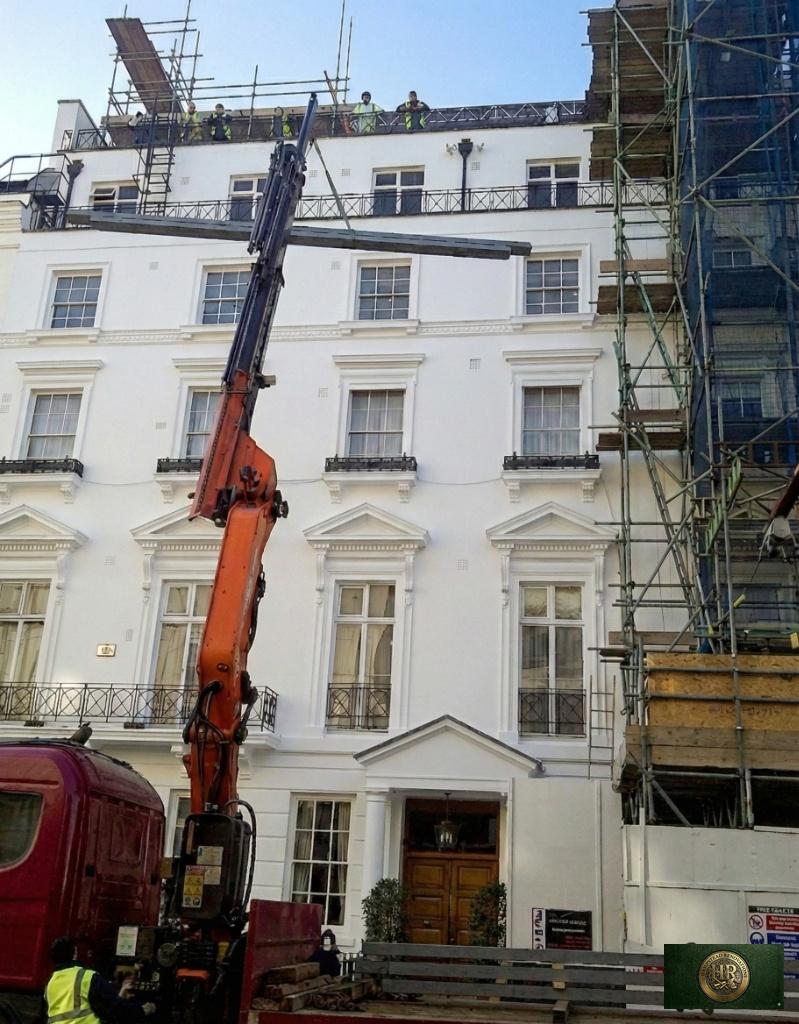
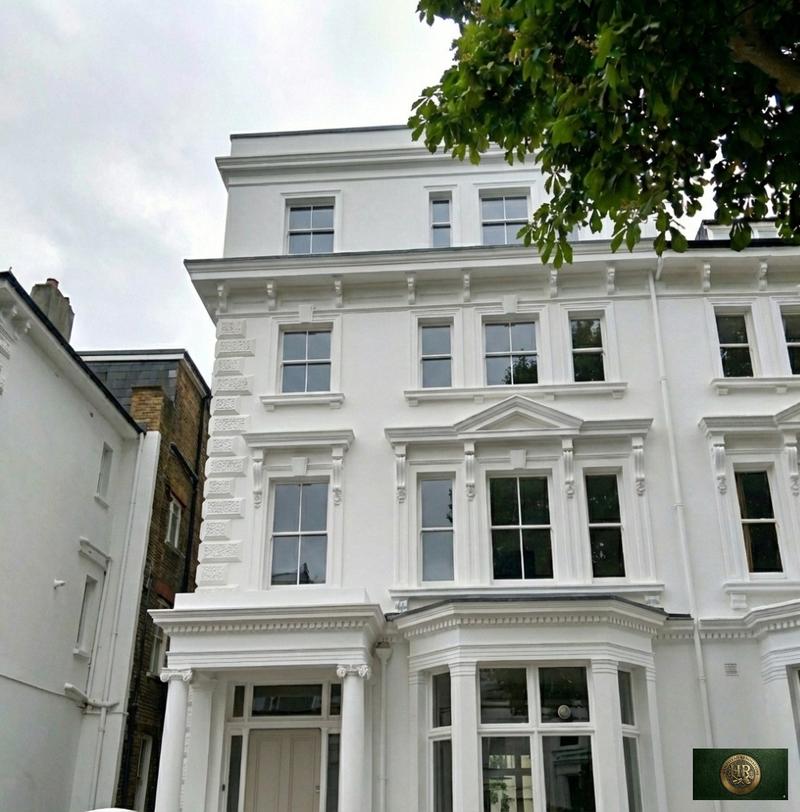
Five-storey house extension, full basement conversion, loft conversion and complete refurbishment within Belsize Park’s conservation area.
View Case Study →
Penthouse duplex refurbishment and roof reconstruction within a Grade II listed setting, unifying the top two levels into seamless luxury living.
View Case Study →
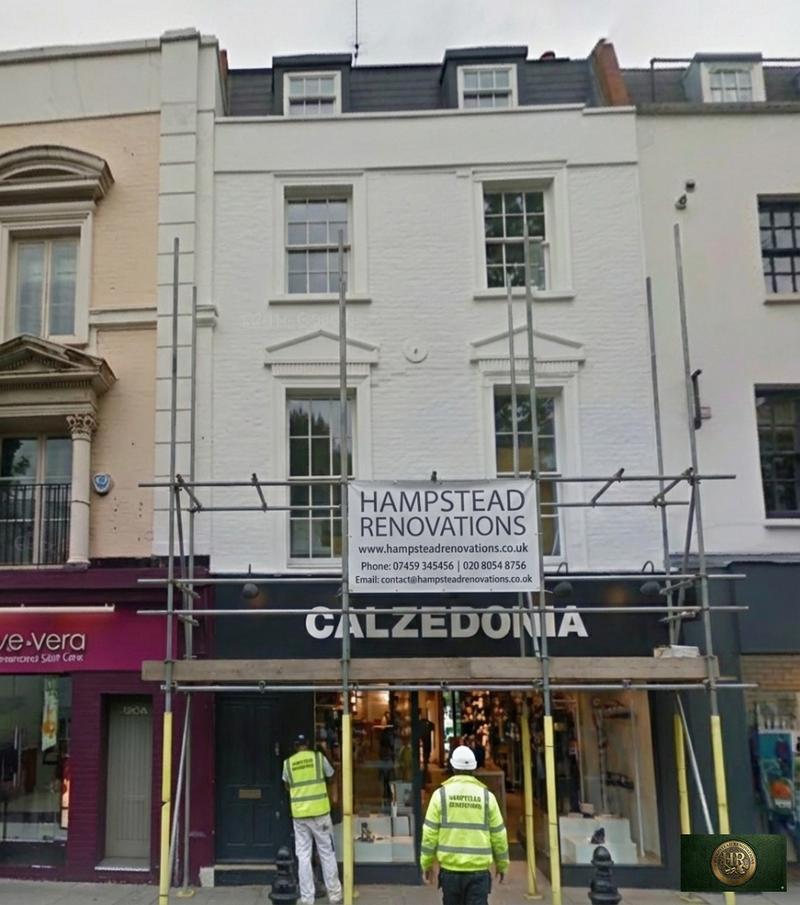
Office-to-retail and residential conversion delivering the Calzedonia store fit-out with three high-spec apartments above, preserving the original façade.
View Case Study →Use these area-specific guide pages to move from broad research into the main build routes people compare in Camden Town NW1.
Yes, but planning conditions often protect original industrial features — exposed brickwork, cast-iron columns, timber trusses, and industrial windows. Our architects design modern interiors that work with these features rather than removing them, creating authentic loft-style living that satisfies both planning conditions and contemporary lifestyle needs.
Canal-side properties present unique logistical challenges — restricted vehicle access, towpath protection requirements, Canal & River Trust coordination, and sometimes flood risk assessments. Our project managers have extensive experience coordinating canal-side works and ensuring compliance with all waterway regulations.
Warehouse fit-outs cost £600–£1,200 per sqm depending on the level of finish. Victorian terrace extensions cost £2,500–£4,000 per sqm. Full terrace refurbishments range from £500–£900 per sqm. All projects delivered on fixed-price contracts.
Yes — rear extensions and side-return infills are very common in Camden Town. Most Victorian terraces have scope for a single-storey rear extension of around 3–4 metres. Camden requires thoughtful design that respects the terrace streetscape and conservation area character. Our architects have extensive experience with terrace extensions in NW1.
Yes — steel or timber mezzanines are one of the most effective ways to maximise space in double-height warehouse conversions. Building Regulations require minimum ceiling heights above and below the mezzanine, and planning conditions may restrict the percentage of floor area that can be mezzanined. Our architects design mezzanines that comply with all regulations while preserving the dramatic proportions.
Yes. Our in-house RIBA architects manage all Camden planning applications and coordinate with the Canal & River Trust where required. We prepare all necessary documents for both bodies and manage the application through to approval.
Our initial consultation is free and carries no obligation. Visit our design studio on Finchley Road to explore material selections, meet our team, and discuss your project in person.