Bloomsbury is the intellectual heart of London — a quarter of pristine Georgian garden squares, the British Museum, the University of London, and some of the finest brick-fronted townhouses in the capital. From Bedford Square to Russell Square, our architects specialise in the sensitive restoration and modernisation of Bloomsbury's distinguished period properties.
Bloomsbury was developed from the late 17th century by the Russell family (Dukes of Bedford) and the Foundling Hospital estate, creating London's most coherent and best-preserved quarter of Georgian domestic architecture. Bedford Square (1775–1783) remains the only complete Georgian square in London — every house survives with its original facade intact. Russell Square, Brunswick Square, and Mecklenburgh Square followed, establishing the grid of garden squares that defines Bloomsbury's character.
The housing stock is predominantly late Georgian and early Victorian — three- to five-storey brick-fronted townhouses with characteristic Bloomsbury proportions: tall windows, elegant fanlights, iron railings, and deep basement areas. Many properties on Bedford Square are Grade I listed; dozens more across the quarter hold Grade II* or Grade II status. The Bedford Estates still manage a significant portion of the area, maintaining consistent architectural standards across their holdings.
For property owners in WC1, the renovation landscape is shaped by Camden Council's conservation area policies, the high concentration of listed buildings, and — for Bedford Estate leaseholders — the estate's own design requirements. Camden applies strict controls on facade alterations, window replacements, and roofline changes. The proximity of major institutional buildings (the British Museum, UCL, SOAS) introduces additional considerations for noise, access, and neighbour relations during construction.
From our Finchley Road studio, our architects have extensive experience with Camden's conservation team and Bloomsbury's specific listed building requirements. We understand the brick bond specifications, the sash window proportions, and the ironwork details that Camden demands in this architecturally significant quarter.
From Georgian hilltop restoration to hillside extensions, every service shaped by our deep knowledge of the three-borough planning landscape and Highgate's unique topographical challenges.
Rear extensions and lower-ground conversions to Bloomsbury's Georgian townhouses. Conservation-sensitive design, structural glazing, and open-plan living spaces behind original brick facades.
Specialist restoration of Bloomsbury's Grade I, II* and II listed townhouses. Original brickwork repair, fanlight restoration, period joinery, and sensitive modernisation within listed interiors.
Complete transformation of Bloomsbury's Georgian properties. Structural work, M&E renewal, bespoke kitchens, luxury bathrooms, and period feature restoration throughout every floor.
Rear dormer and mansard conversions to Bloomsbury townhouses. Camden conservation area roofline constraints strictly enforced.
Cellar conversion and underpinning of Georgian townhouses. Waterproofing, lightwells, and additional ceiling height for WC1 London clay.
Bespoke kitchen design for period homes. Heritage proportions, contemporary performance.
Victorian restoration and contemporary luxury. Marble, stone, and bespoke joinery.
RIBA architects. Conservation area applications, 3D visualisation, construction drawings.
Chartered engineers. Wall removal, steel beams, underpinning, and foundations in N6.
Period-appropriate schemes. Material selection, space planning, furniture specification.
Multi-borough planning expertise. Camden planning expertise. Conservation area, listed building consent, and Bedford Estate compliance in WC1.
Grade I, II* and II listed property expertise. Listed Building Consent managed in-house.
Specialist renovation of Bloomsbury's Georgian townhouses, garden square properties, and period conversions.
Full Party Wall Act management through our RICS chartered surveying practice.
RICS condition surveys via Hampstead Chartered Surveyors & Building Consultancy.
Highgate falls under the London Borough of Camden. The Highgate Conservation Area is one of the largest in London and covers virtually the entire village, spanning Camden, Haringey, and Islington. Planning permission is required for almost all external works, and each borough applies its own design standards.
Bloomsbury contains an exceptionally high concentration of listed buildings. Bedford Square is entirely Grade I listed; many properties on surrounding squares hold Grade II* or Grade II status. Listed Building Consent is required for works affecting a listed building's character — including internal alterations. Camden's conservation officers are particularly rigorous in Bloomsbury. Our architects have extensive experience with Camden's specific requirements.
View Camden planning portal →Bloomsbury Conservation Area protects the Georgian character. Camden enforces strict brick facade, fenestration, and roofline controls throughout WC1.
Bloomsbury has one of London's highest concentrations of listed buildings. Grade I (Bedford Square), Grade II* and Grade II throughout. Listed Building Consent required for most works.
Garden squares are protected open spaces. Properties overlooking squares face additional visual impact and landscape constraints. Tree protection orders apply throughout.
Camden offers pre-application services. Essential for listed buildings, garden square properties, and any works affecting the roofline or front elevation.
Realistic cost ranges for the most common project types in Highgate. Listed building requirements and the complexity of Georgian construction add approximately 15–25% to standard London pricing.
Georgian perfection, literary history, and the garden squares that defined London's intellectual quarter.
How the Russell family's 1775 development created the finest surviving Georgian square in London — and why every house still stands.
From Virginia Woolf's Gordon Square to the Omega Workshops — the townhouses that became the crucible of British modernism.
How Bloomsbury became London's museum and university quarter — and how its institutional buildings shaped the surrounding residential streets.
Selected projects from across London.

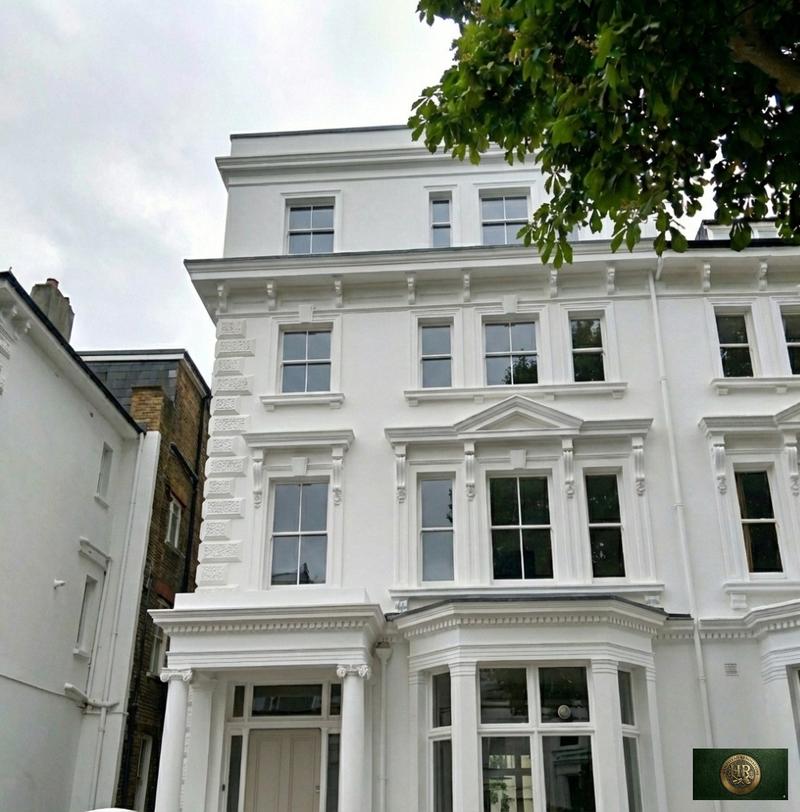
Five-storey house extension, full basement conversion, loft conversion and complete refurbishment within Belsize Park's conservation area.
View Case Study →
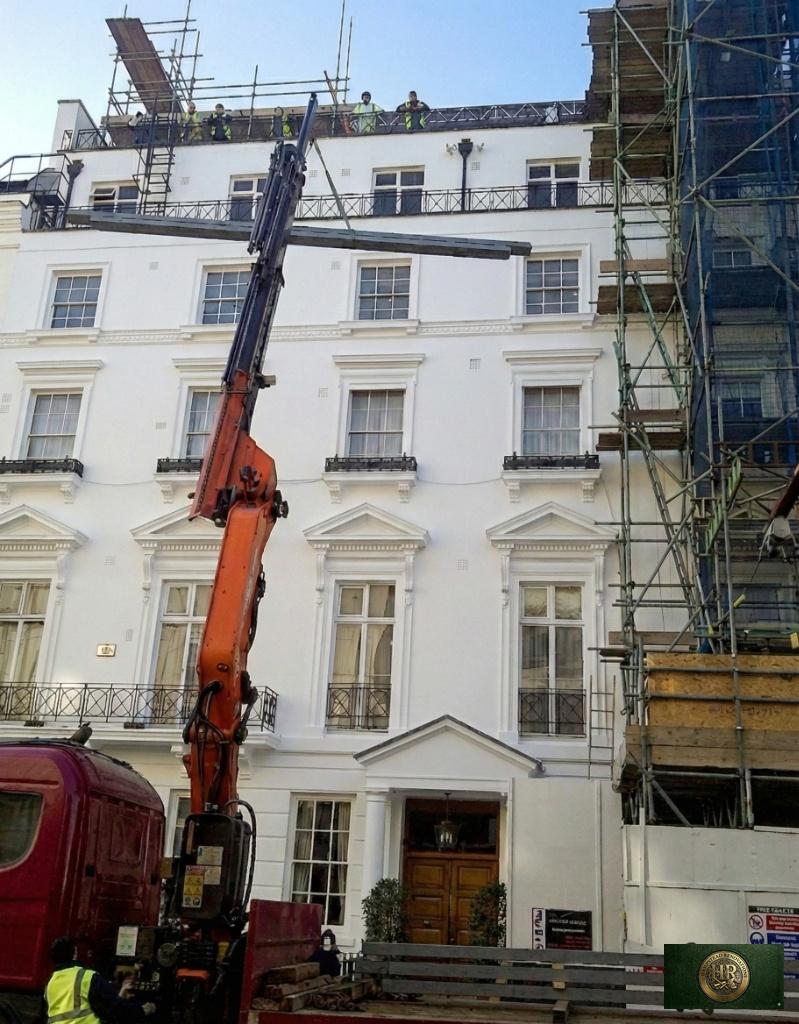
Penthouse duplex refurbishment and roof reconstruction within a Grade II listed setting, unifying the top two levels into seamless luxury living.
View Case Study →
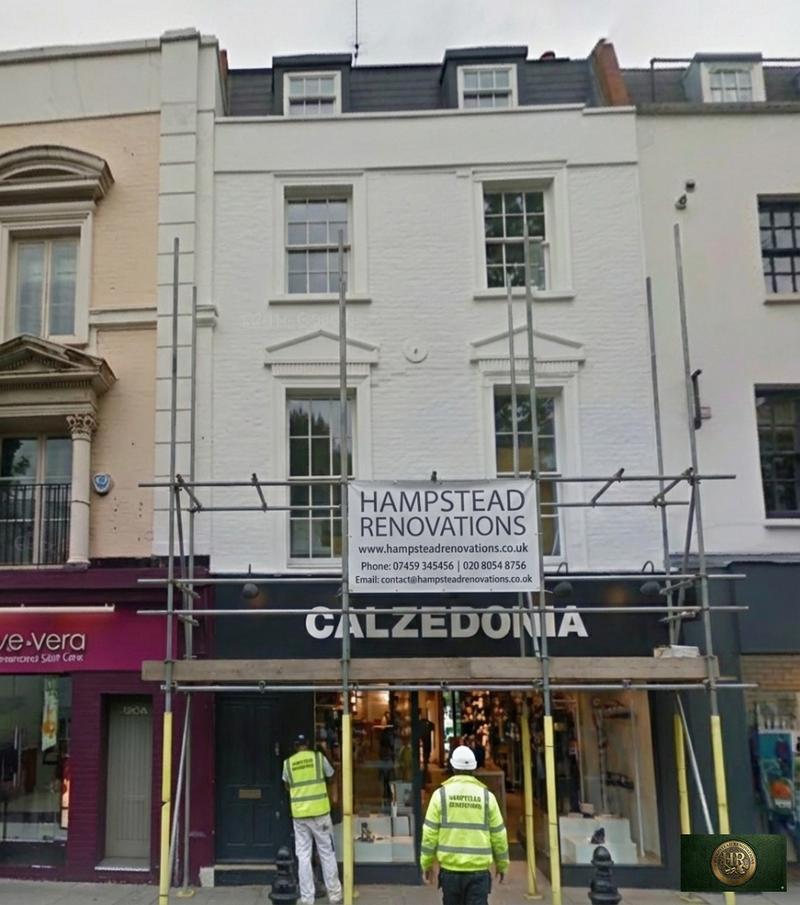
Office-to-retail and residential conversion delivering the Calzedonia store fit-out with three high-spec apartments above, preserving the original façade.
View Case Study →Use these area-specific guide pages to move from broad research into the main build routes people compare in Bloomsbury WC1.
Very possibly. Bloomsbury has one of the highest concentrations of listed buildings in London. All properties on Bedford Square are Grade I listed. Many properties on Russell Square, Gordon Square, and surrounding streets are Grade II* or Grade II. You can check your listing status on the Historic England website. Our architects specialise in Listed Building Consent applications for Bloomsbury's Georgian properties.
Camden requires that any brickwork repairs in Bloomsbury's conservation area use matching London stock bricks laid in the original bond pattern. Repointing must use lime mortar — cement mortar will be refused. Our builders source reclaimed Georgian bricks and use specialist lime mortar techniques to ensure repairs are indistinguishable from the original fabric.
Rear extensions to Georgian townhouses in WC1 typically cost £2,800–£4,500 per square metre. Full townhouse refurbishments range from £600–£1,100 per square metre. Basement conversions cost £3,000–£5,500 per square metre. Listed building requirements add approximately 15–25% to standard London pricing. All projects delivered on fixed-price contracts.
Yes — rear extensions are the most common renovation in Bloomsbury. Camden generally supports single-storey rear extensions that are subordinate to the original building and not visible from the street or garden square. Listed Building Consent will be required if the property is individually listed. Our architects design extensions to maximise living space while meeting Camden's conservation requirements.
Yes — the Bedford Estates manage a significant number of Bloomsbury properties and have their own design standards that must be satisfied in addition to Camden planning. Our architects have experience working with the Bedford Estates' surveyors and understand their requirements for facade maintenance, window specifications, and internal alterations.
Yes. Our in-house RIBA architects manage all Camden planning applications, Listed Building Consent, and conservation area consents. We prepare heritage impact assessments, brick and mortar specifications, and detailed design proposals as standard. We have extensive experience with Camden's conservation officers and their specific requirements for Bloomsbury properties.
Our initial consultation is free and carries no obligation. Visit our design studio on Finchley Road to explore material selections, meet our team, and discuss your project in person.