Bayswater is defined by its sweeping stucco-fronted terraces and grand Victorian garden squares — one of Central London's most architecturally distinguished residential quarters. From Kensington Gardens to Queensway, the area's five-storey townhouses and elegant mansion flats represent the pinnacle of mid-Victorian metropolitan ambition. Our architects specialise in the sensitive renovation of these prestigious Westminster properties.
Bayswater emerged in the 1830s–1850s as one of London's most ambitious residential developments. Speculative builders transformed the Bishop of London's estates into streets of monumental five-storey stucco terraces — Westbourne Terrace, Craven Hill Gardens, Leinster Square, and Inverness Terrace — creating a neighbourhood of extraordinary uniformity and scale. These Italianate palazzos, with their giant-order pilasters, elaborate cornices, and sweeping first-floor drawing rooms, were designed to attract the Victorian upper-middle classes.
The housing stock divides into three distinct types: grand stucco terraces (many now subdivided into flats), purpose-built Victorian and Edwardian mansion blocks, and the garden square townhouses that command Bayswater's highest prices. Properties on Kensington Gardens Square, Cleveland Square, and Leinster Square retain their original proportions — soaring ceilings, deep plan depths, and generous room sizes — but many require complete refurbishment of their Victorian services, structural repair to deteriorating stucco, and reconfiguration for modern family life.
For property owners in W2, the renovation landscape is shaped by Westminster City Council's rigorous conservation area policies. Bayswater and Westbourne Conservation Areas protect the area's stucco character with strict controls on facades, fenestration, and rooflines. Internal works to mansion flats involve complex freeholder negotiations, soundproofing between units, and the logistical challenges of working within a dense urban environment. Our architects navigate Westminster's requirements daily.
From our Finchley Road studio, our architects have delivered dozens of projects across W2 — from single-flat refurbishments to complete townhouse transformations. We understand the stucco repair requirements, the sash window specifications, and the planning constraints that define renovation in Bayswater.
From Georgian hilltop restoration to hillside extensions, every service shaped by our deep knowledge of the three-borough planning landscape and Highgate's unique topographical challenges.
Rear and lower-ground extensions to Bayswater's grand stucco terraces. Structural glazing, bi-fold doors, and open-plan kitchen-diners designed to comply with Westminster conservation area constraints and neighbouring party wall requirements.
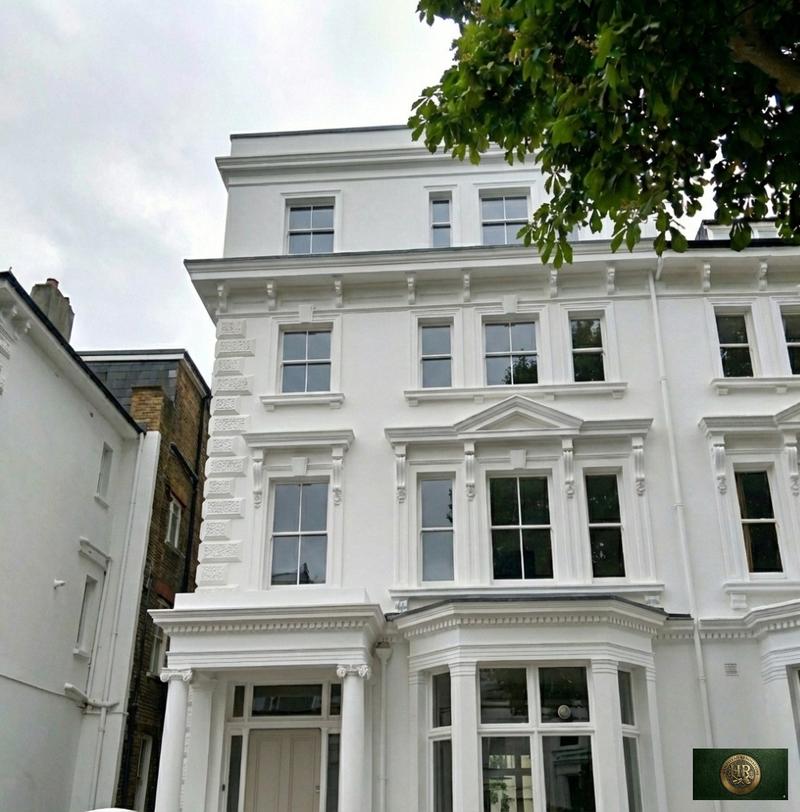
Specialist stucco facade repair, sash window restoration, cornice reinstatement, and lime render works. Preserving Bayswater's architectural character while modernising interiors to contemporary standards.
Complete transformation of Bayswater mansion flats. Lateral reconfiguration, freeholder liaison, soundproofing upgrades, bespoke kitchens and luxury bathrooms — all within the constraints of shared freehold buildings.
Mansard and dormer conversions to Bayswater's stucco terraces. Westminster conservation area roofline constraints apply throughout W2.
Below-ground space creation beneath stucco terraces and garden square townhouses. Full underpinning, waterproofing, and lightwells for W2 London clay.
Bespoke kitchen design for period homes. Heritage proportions, contemporary performance.
Victorian restoration and contemporary luxury. Marble, stone, and bespoke joinery.
RIBA architects. Conservation area applications, 3D visualisation, construction drawings.
Chartered engineers. Wall removal, steel beams, underpinning, and foundations in N6.
Period-appropriate schemes. Material selection, space planning, furniture specification.
Multi-borough planning expertise. Westminster planning expertise. Conservation area, facade compliance, and permitted development in W2.
Grade I, II* and II listed property expertise. Listed Building Consent managed in-house.
Specialist renovation of Bayswater's stucco terraces, mansion flats, and garden square townhouses.
Full Party Wall Act management through our RICS chartered surveying practice.
RICS condition surveys via Hampstead Chartered Surveyors & Building Consultancy.
Highgate falls under the City of Westminster. The Highgate Conservation Area is one of the largest in London and covers virtually the entire village, spanning Camden, Haringey, and Islington. Planning permission is required for almost all external works, and each borough applies its own design standards.
While fewer properties are individually listed compared to areas like Belgravia, the conservation area status means even unlisted properties require planning permission for most external alterations. Stucco repair must use lime-based render to match the original, and replacement windows must replicate the original timber sash proportions. Our architects have extensive experience with Westminster's specific requirements for Bayswater's stucco terraces.
View Westminster planning portal →Bayswater and Westbourne Conservation Areas protect the stucco character. Westminster enforces strict facade, fenestration, and roofline controls.
All stucco repairs must use lime-based render. Cement render and non-matching finishes will be refused. Cornices, pilasters, and decorative elements must be preserved or reinstated.
Properties overlooking Kensington Gardens face additional visual impact, tree root protection, and landscape sensitivity constraints. Extensions visible from the park are rarely approved.
Westminster offers pre-application services. Essential for mansion flat conversions, facade alterations, and roof extensions in W2.
Realistic cost ranges for the most common project types in Highgate. Conservation area requirements and the complexity of stucco terrace construction add approximately 10–15% to standard London pricing.
Grand stucco terraces, garden squares, and the Victorian ambition that built one of Central London's most distinguished quarters.
How speculative builders transformed the Bishop of London's farmland into streets of palatial stucco terraces in just two decades.
A guide to the elegant townhouses and mature plane trees that make this one of London's most desirable residential squares.
From London's first department store to the cosmopolitan dining and shopping street that gives Bayswater its vibrant character.
Selected projects from across London.

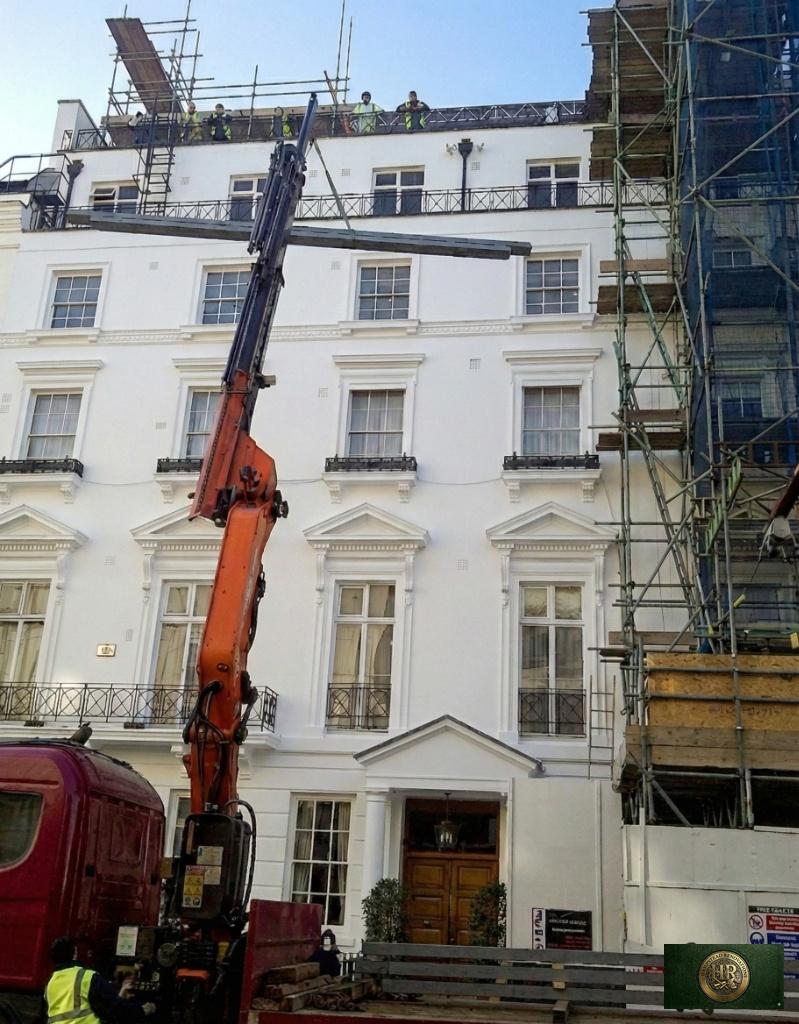
Five-storey house extension, full basement conversion, loft conversion and complete refurbishment within Belsize Park's conservation area.
View Case Study →
Penthouse duplex refurbishment and roof reconstruction within a Grade II listed setting, unifying the top two levels into seamless luxury living.
View Case Study →
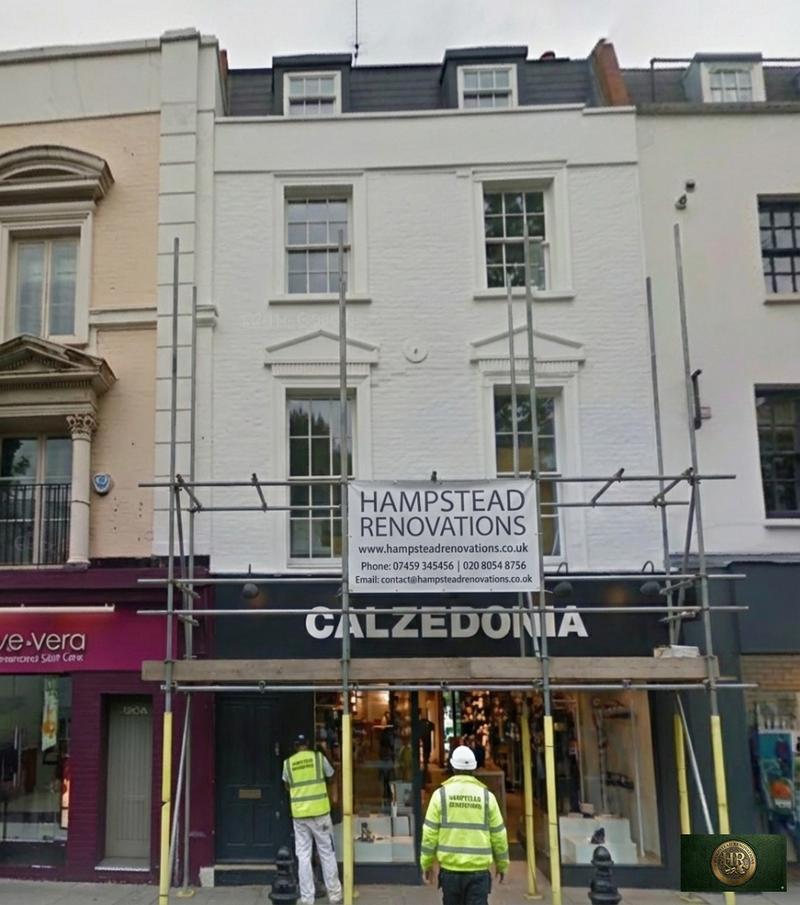
Office-to-retail and residential conversion delivering the Calzedonia store fit-out with three high-spec apartments above, preserving the original façade.
View Case Study →Use these area-specific guide pages to move from broad research into the main build routes people compare in Bayswater W2.
Yes — virtually all of Bayswater falls within either the Bayswater Conservation Area or the Westbourne Conservation Area, both managed by the City of Westminster. This means planning permission is required for most external works, including facade repairs, window replacements, and roof alterations. Westminster enforces strict stucco repair standards and fenestration controls throughout W2.
We strongly advise against it. Westminster requires that stucco repairs in the conservation area use lime-based render — not modern cement render — to match the original Victorian finish. Incorrect repairs will crack, damage the underlying brickwork, and may result in enforcement action. Our specialist plasterers use traditional lime render and can match the original surface texture precisely.
Rear extensions to stucco terraces in W2 typically cost £2,800–£4,500 per square metre. Mansion flat refurbishments range from £500–£900 per square metre. Basement conversions cost £3,000–£5,500 per square metre. Conservation area requirements add approximately 10–15% to standard London pricing. All projects delivered on fixed-price contracts.
Yes — rear extensions are the most common renovation in Bayswater. Westminster generally supports single-storey rear and lower-ground extensions that are not visible from the street. Structural glazing and bi-fold doors are usually acceptable. Extensions above single-storey height face greater scrutiny. Our architects have secured numerous Westminster approvals for rear extensions in W2.
This is a legal matter rather than a construction one, but we work alongside specialist property solicitors who can advise on enfranchisement. From a renovation perspective, share-of-freehold properties give you significantly more flexibility — you can often proceed with works that would require freeholder consent in a standard leasehold arrangement.
Yes. Our in-house RIBA architects manage all Westminster planning applications, conservation area consents, and Listed Building Consent applications. We prepare stucco repair specifications, fenestration details, and structural method statements as standard. We have extensive experience with Westminster's conservation officers and their specific requirements for Bayswater properties.
Our initial consultation is free and carries no obligation. Visit our design studio on Finchley Road to explore material selections, meet our team, and discuss your project in person.