Dartmouth Park is one of North London's best-kept secrets — a quiet, leafy hillside neighbourhood of substantial Victorian villas and handsome terraces on the slopes between Tufnell Park and Highgate. With proximity to Dartmouth Park Heath, excellent schools, and some of Camden's finest Victorian architecture, the area attracts families who want space, character, and a village feel without the premium of Dartmouth Park or Highgate.
Dartmouth Park was developed in the 1860s–1890s on the eastern slopes of Parliament Hill, creating one of North London's most attractive Victorian residential areas. The streets cascade down the hillside, giving many properties elevated views towards the City and Canary Wharf. The neighbourhood takes its name from the Earl of Dartmouth, whose estate was sold for development in the 1860s.
The housing stock is predominantly mid-to-late Victorian — substantial three-storey terraced houses and semi-detached villas with high ceilings, original cornicing, bay windows, and deep rear gardens. Properties on the higher streets (Chetwynd Road, Dartmouth Park Hill, Highgate Road) tend to be larger, with many boasting four or five bedrooms. The architectural consistency is remarkable — red brick facades with decorative stone dressings, original ironwork, and arched doorways.
For homeowners in NW5, the Dartmouth Park Conservation Area covers most of the residential streets, meaning external alterations require Camden's approval. The hillside topography adds engineering considerations — retaining walls, drainage, and level changes that flat-site properties don't face. Our architects are experts in both Camden's conservation requirements and the structural engineering that hillside sites demand.
That negotiation is what we do. Our design studio is on Finchley Road. Our architects have worked with Camden's planning team on hundreds of applications. We understand the constraints because we live within them.
From Victorian terrace extensions to hillside basement conversions, every service shaped by our deep knowledge of Dartmouth Park's conservation area and Camden's planning requirements.
Rear and side-return extensions to Dartmouth Park's Victorian terraces and villas. Conservation area-compliant designs exploiting the generous rear gardens and hillside aspect for light-filled open-plan living.
Rear dormer and L-shaped mansard conversions for Dartmouth Park's substantial Victorian houses. Creating an extra bedroom and bathroom — subject to Camden conservation area roofline guidance.
Complete modernisation of Victorian family homes. Structural work, rewiring, replumbing, bespoke kitchens, luxury bathrooms, original feature restoration, and hillside-specific engineering where needed.
Specialist structural work for Dartmouth Park's sloping sites. Retaining walls, level changes, drainage solutions, and foundations engineered for the hillside topography.
Below-ground excavation beneath Victorian villas. Full underpinning, waterproofing, and lightwell installation. Hillside hydrology assessment included.
Bespoke kitchen design for period homes. Heritage proportions, contemporary performance.
Victorian restoration and contemporary luxury. Marble, stone, and bespoke joinery.
RIBA architects. Conservation area applications, 3D visualisation, construction drawings.
Chartered engineers. Wall removal, steel beams, underpinning, and foundations in NW5.
Period-appropriate schemes. Material selection, space planning, furniture specification.
Camden planning expertise. Dartmouth Park Conservation Area submissions, party wall management, and hillside construction logistics.
Grade I, II* and II listed property expertise. Listed Building Consent managed in-house.
Specialist renovation of Dartmouth Park's Victorian terraces, villas, and period family homes.
Full Party Wall Act management through our RICS chartered surveying practice.
RICS condition surveys via Hampstead Chartered Surveyors & Building Consultancy.
Dartmouth Park falls under the London Borough of Camden. The Dartmouth Park Conservation Area covers most residential streets, meaning planning permission is required for external works. Camden applies strict design standards, particularly regarding front elevations, roof alterations, and materials. Our architects have extensive experience securing approvals within the Dartmouth Park conservation area.
The hillside topography presents additional engineering challenges. Properties on the higher streets often have significant level changes between front and rear, requiring specialist structural engineering for extensions. Retaining walls, drainage management, and foundation design must account for the slope. Our architects and structural engineers work together from the earliest design stages to ensure every aspect is properly considered.
View Camden planning portal →Dartmouth Park Conservation Area covers most residential streets. Camden protects the Victorian character and requires sensitive design for all external works.
Sloping sites require specialist structural engineering. Retaining walls, drainage management, and foundations must be designed for the hillside gradient.
Properties near Parliament Hill and the Heath face additional landscape considerations. Tree Protection Orders and ecological constraints may apply.
Camden offers pre-application services. Essential for listed buildings and complex conservation area proposals in NW5.
Realistic cost ranges for the most common project types in Dartmouth Park. Heritage and conservation requirements typically add 10–20% to standard London pricing.
The Victorian villas, the Earl of Dartmouth, and the hillside streets that created one of North London's finest residential areas.
How the sale of the Dartmouth estate in the 1860s created one of North London's most architecturally cohesive Victorian suburbs.
How Parliament Hill Fields and the Lido became central to the identity of life on the Dartmouth Park slopes.
How the distinctive red brick terraces with stone dressings and arched doorways created Dartmouth Park's unified Victorian streetscape.
Selected projects from across London.

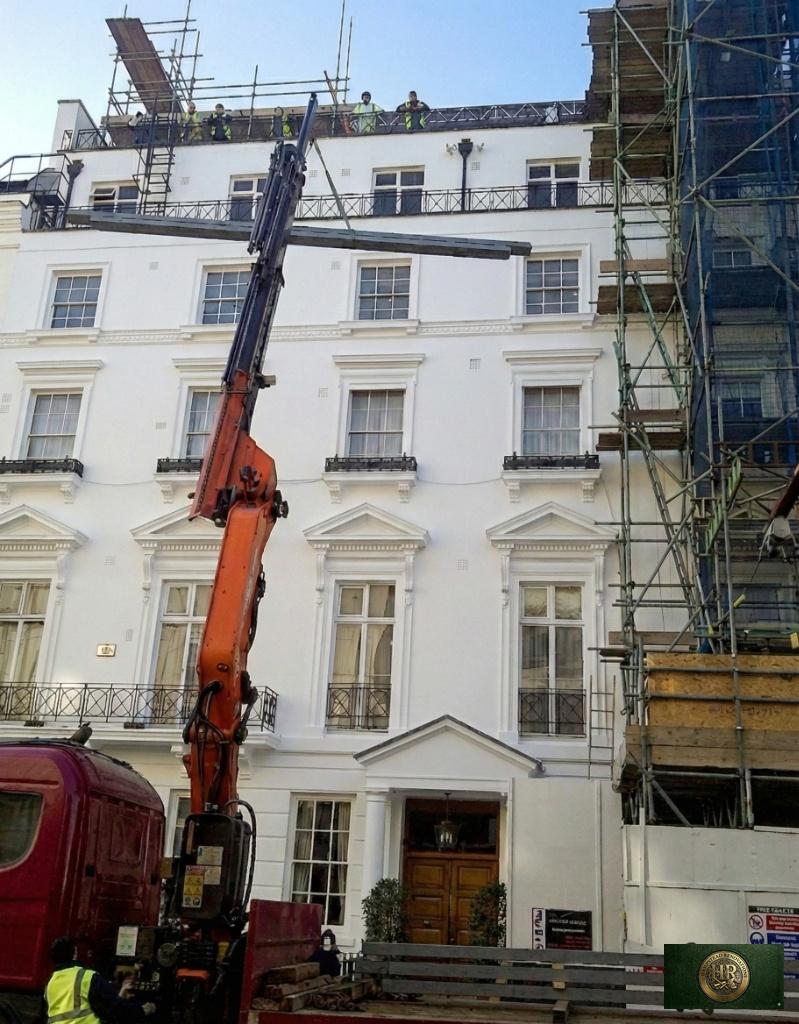
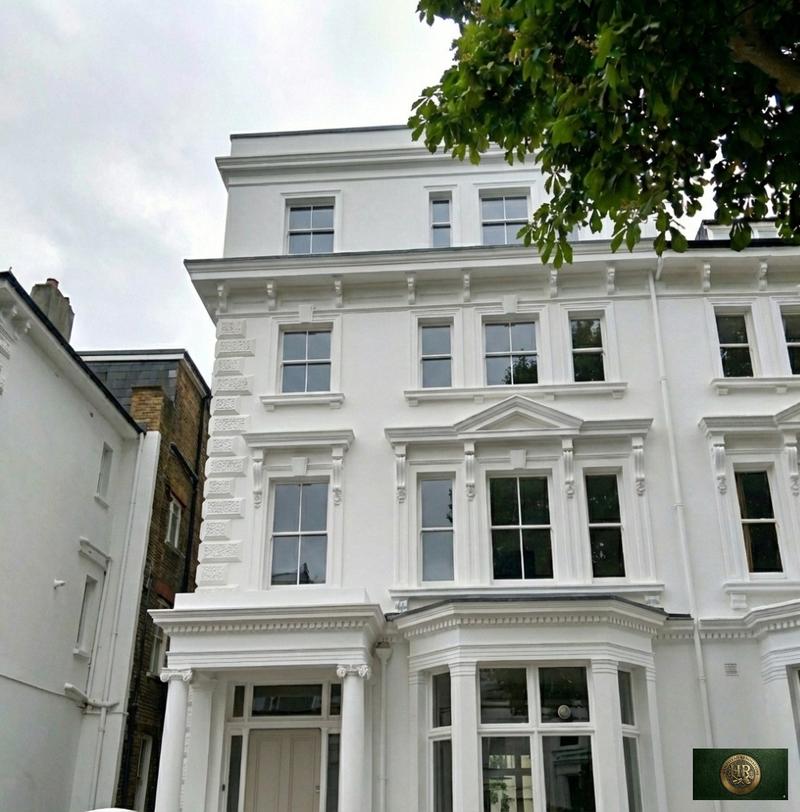
Five-storey house extension, full basement conversion, loft conversion and complete refurbishment within Belsize Park’s conservation area.
View Case Study →
Penthouse duplex refurbishment and roof reconstruction within a Grade II listed setting, unifying the top two levels into seamless luxury living.
View Case Study →
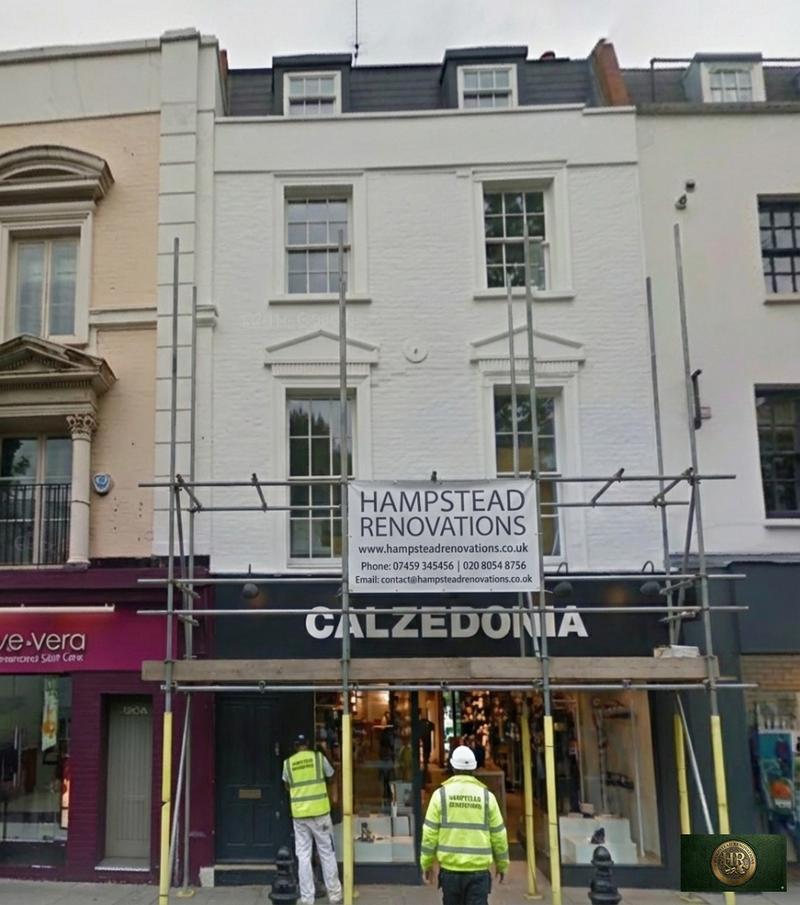
Office-to-retail and residential conversion delivering the Calzedonia store fit-out with three high-spec apartments above, preserving the original façade.
View Case Study →Use these area-specific guide pages to move from broad research into the main build routes people compare in Dartmouth Park NW5.
Yes. The Dartmouth Park Conservation Area covers most residential streets. External alterations require planning permission and must preserve or enhance the area's Victorian character. Camden applies strict design standards, particularly regarding front elevations and rooflines. View Camden conservation guidance →
Yes. Dartmouth Park's sloping topography means that extensions and basements require specialist structural engineering. Level changes between front and rear can be significant, and drainage must be carefully managed to prevent water issues downhill. Our structural engineers assess every site for gradient, ground conditions, and hydrology.
Rear extensions cost £2,500–£4,000 per sqm. Loft conversions range from £50,000–£110,000. Full refurbishments cost £500–£850 per sqm. Hillside engineering can add 5–15% to standard extension costs. All projects delivered on fixed-price contracts.
Dartmouth Park offers some of the best value in the Camden/Highgate corridor — substantial Victorian villas at a significant discount to neighbouring Dartmouth Park and Highgate. The conservation area protects property values, while the proximity to the Heath and excellent schools makes it increasingly sought after by families. Well-designed extensions and refurbishments deliver strong returns.
Yes — and the hillside often works in your favour. Properties on the upper slopes can exploit the level change to create double-height rear extensions with garden access from the lower level. Our architects design extensions that make the most of the topography rather than fighting it.
Yes. Our in-house RIBA architects manage all Camden planning and conservation area applications for Dartmouth Park. We prepare all supporting documentation including heritage statements and have an excellent working relationship with Camden's planning team.
Our initial consultation is free and carries no obligation. Visit our design studio on Finchley Road to explore material selections, meet our team, and discuss your project in person.